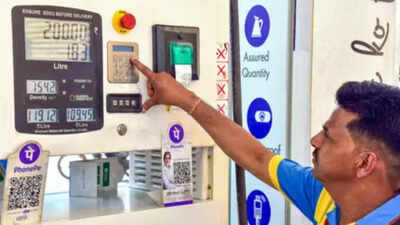
MUMBAI: September began with a fresh blow to household budgets in Mumbai and the wider Mumbai Metropolitan Region (MMR), with prices of CNG, piped cooking gas and buffalo milk going up, while commuters will also pay higher fares for autorickshaws and black-and-yellow taxis from Tuesday.The multiple hikes are set to affect millions of residents, adding to the daily cost of cooking, commuting and household consumption.Mahanagar Gas Ltd (MGL) has increased the price of compressed natural gas (CNG) by Rs 2 per kg, taking the rate in Mumbai and surrounding areas from Rs 86 to Rs 88 per kg. The company has also raised the price of domestic piped natural gas (PNG) by Rs 1 per standard cubic metre, pushing up cooking costs for more than 30 lakh households across its network.MGL attributed the increase to rising input costs amid the ongoing Middle East crisis, which has pushed up international gas prices. The company said a significant portion of the gas required to meet growing CNG demand was being sourced through imported spot regasified liquefied natural gas at higher prices.The hike will particularly affect Mumbai’s vast CNG-dependent transport network. The MMR has more than 4.5 lakh autorickshaws and tens of thousands of taxis, most of which run on CNG.Adding to commuters’ expenses, revised auto and taxi fares also came into effect from September 1. The minimum autorickshaw fare has increased by Re 1, from Rs 26 to Rs 27, while the minimum fare for Mumbai’s iconic black-and-yellow taxis has gone up by Rs 2, from Rs 31 to Rs 33.The per-kilometre fare for autorickshaws has been revised to Rs 18.22 from Rs 17.14, while taxi fares have increased to Rs 21.90 per km from Rs 20.66.Until electronic meters are recalibrated, drivers have been directed to charge passengers according to RTO-approved tariff cards. The government has given operators three months to complete meter recalibration, with the cost capped at Rs 700. RTO flying squads have also been deployed to check overcharging and the use of fake tariff cards.The transport department has additionally revised shared-fare charts, fixing fares between Rs 12 and Rs 81 for shared autos and Rs 11 to Rs 73 for shared taxis for journeys of up to 10 km.Meanwhile, Mumbai residents will also pay more for buffalo milk from September 1 after the Bombay Milk Producers’ Association announced a Rs 9-per-litre increase in the wholesale price.The wholesale rate has risen from Rs 93 to Rs 102 per litre. Retail prices are expected to range between Rs 110 and Rs 112 per litre, depending on the locality, vendor and supplier.In south Mumbai, consumers are likely to pay up to Rs 112 per litre, compared with the earlier Rs 104, while prices in other parts of the city could rise from around Rs 100 to Rs 110 per litre.The milk producers’ association said rising cattle feed prices, transportation costs, fuel expenses, labour charges and maintenance costs had made milk production more expensive. According to the association, the cost of producing a litre of milk has now reached about Rs 98.The revised wholesale milk price will remain in force until February 28, 2027. Around 40 lakh litres of buffalo milk are distributed across Mumbai every day, making the increase another significant addition to household expenses, particularly ahead of the festive season when demand for milk and dairy products rises.For Mumbai residents, the simultaneous hikes mean a higher bill at several points of everyday life — from the morning milk purchase and cooking gas consumption to the auto or taxi ride to work.The CNG hike has also drawn criticism from auto and taxi unions. Mumbai Rickshawmen’s Union leader Thampy Kurien said drivers would strongly oppose the increase, arguing that it would add to their operating costs just as revised passenger fares were coming into effect.“We already fought for a one-rupee hike in fares based on past fuel hike calculations, and now that we are getting the hike from Sep 1, the MGL is increasing gas rates. This is unwarranted,” Kurien said.The latest increase is the fourth hike in CNG prices in the current financial year since April. With the number of CNG vehicles in the Mumbai region rising sharply over the past year, the impact of higher fuel prices is expected to be felt across both public transport and household budgets.