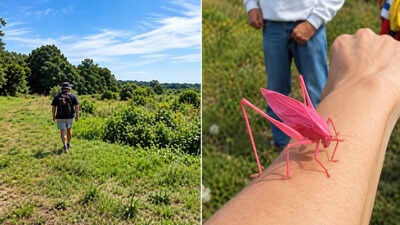
A former cranberry-growing landscape in Harwich, Massachusetts, is showing what can happen when a damaged wetland is given the chance to function naturally again. The Harwich Conservation Trust (HCT) spent years working with public agencies and other partners to restore the Robert F. Smith Cold Brook Preserve, a 66-acre property in the heart of Harwich Port. Completed in 2025, the project rewilded more than 44 acres of wetland and nearly a mile of stream, while creating ponds, restoring native vegetation and improving water flow. Then came an unexpected sign that the landscape was changing. As the restoration work neared completion, longtime HCT volunteer Gerry Beetham began noticing butterflies he had not seen there before, including common buckeyes and clouded sulphurs. The return of these insects offered a small but vivid glimpse of a much larger ecological recovery.
A former cranberry bog was transformed into a wildlife oasis
For more than a century, Cold Brook had been shaped around cranberry farming, leaving the stream and surrounding wetlands significantly altered from their natural condition. The land eventually became a retired cranberry bog, and in 2001, the Trust acquired the property. Years of planning followed before the restoration could begin. The project was designed to bring back more natural wetland and stream functions while improving habitat for wildlife. Work included reshaping Cold Brook into a more natural, winding channel, creating four ponds of different sizes, adding a salt marsh and planting native trees and shrubs. Old water-control structures that had interfered with the flow were also addressed. By 2025, the restored stream could once again move freely through the preserve for the first time in more than a century, reconnecting the landscape with the wider watershed towards Saquatucket Harbour.
The 44-acre restoration changed more than the landscape
The restoration was not simply about making Cold Brook look more natural. The aim was to rebuild the ecological functions that had been disrupted by decades of agricultural use. More than 44 acres of adjacent wetland habitat were rewilded, while nearly a mile of stream was restored. The design incorporated ponds, native plantings and a more varied landscape intended to create different habitats for wildlife. HCT says the work has already produced benefits including greater habitat diversity, improved water quality and stronger stormwater absorption by the recovering wetlands. Restoring the stream also improved fish passage, while the wetlands gained greater resilience in the face of a changing climate. A half-mile wheelchair-accessible All Persons Trail was added as part of the wider project, meaning the ecological transformation also created a new way for people of different ages and abilities to experience the recovering landscape.
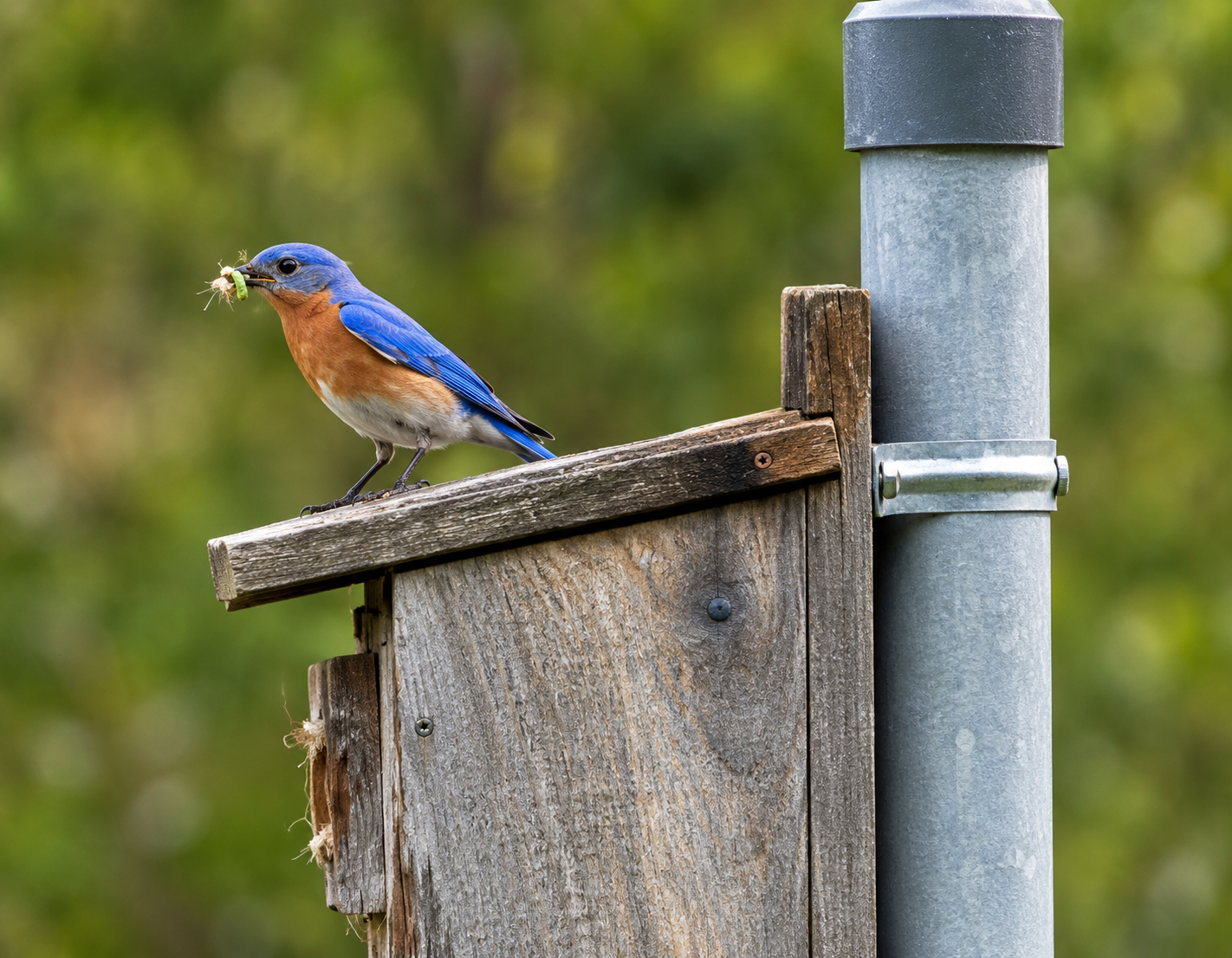
The 44-acre restoration changed more than the landscape (Image: Harwich Conservation Trust)
Butterflies appeared as native plants returned to Cold Brook
One of the most visible signs of the transformation came from an animal small enough to be easily overlooked. As the restoration was nearing completion, HCT volunteer Gerry Beetham noticed butterflies at Cold Brook that he had not previously seen there. Among them were common buckeyes and clouded sulphurs. For Beetham, their arrival was evidence that the newly restored landscape was beginning to provide the resources butterflies need, from nectar-producing flowers to plants where they can lay eggs and their caterpillars can develop. HCT had already planted a pollinator garden at the preserve in 2025, creating additional habitat for vulnerable butterflies such as monarchs, swallowtails and skippers. Monarchs have since become frequent visitors. The change is a reminder that ecological restoration can produce effects that are visible far beyond the original stream and wetland project.
Cold Brook has become a living test of ecological recovery
The butterfly sightings are now part of a much broader story unfolding at the preserve. HCT is using Cold Brook not only as a restored natural area but also as a place where people can observe how ecosystems respond when natural processes are allowed to return. The organisation is participating in Butterfly Big Day 2026, with a field class scheduled for September 12 where participants can identify butterflies and learn how native plants support pollinators. Observations from the event will be submitted to iNaturalist as part of an international effort involving organisations across several countries. HCT is also preparing a Cape Cod BioBlitz at Cold Brook, where volunteers will document as many species as possible. Together, these activities turn the preserve into something more than a scenic trail, they provide an opportunity to track biodiversity as a restored wetland continues to develop.The transformation of Cold Brook shows why restoration can be measured in more than acres of land or miles of stream. A landscape that once revolved around commercial cranberry production is now supporting native plants, wetlands, flowing water and an expanding range of wildlife. The butterflies noticed by Beetham may seem like a modest detail beside the scale of the engineering and conservation work, but they offer an immediate sign that the changes are reaching living species. HCT says Cold Brook now functions as a wildlife oasis, with ecological benefits already appearing across the preserve. The project was funded and supported through a partnership involving HCT donors, Town of Harwich voters, the Harwich Community Preservation Fund, the Massachusetts Division of Ecological Restoration, MassTrails and the U.S. Fish & Wildlife Service.