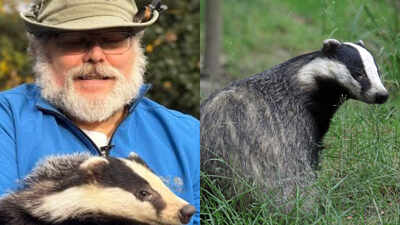
A chance encounter with a helpless animal has turned into a complicated battle over wildlife protection, rehabilitation and the limits of human intervention. When Scottish ecologist Graeme Wilson rescued a starving badger cub from a cattle trough, he expected to nurse her back to health. Instead, the experience left him convinced that returning her to the wild could put her life in danger. Now, he is fighting for permission to give Harriet a permanent home, despite opposition from wildlife authorities.
From a desperate rescue to an unusual bond
According to the BBC, Harriet was discovered in April trapped inside a cattle trough, around 100 metres from her sett in the Scottish Borders. Wilson was called to help the young animal and took responsibility for her recovery, gradually nursing her back to health.However, her behaviour soon raised concerns about whether she could survive independently. Given her bottle feeding response and familiarity with humans, Wilson suspected Harriet was hand-reared before her rescue.As reported by The Telegraph, Wilson believes the cub has become accustomed to humans to such an extent that releasing her into the countryside could expose her to serious risks. He fears she might approach people while out walking, potentially placing herself in a dangerous situation.
Why the ecologist wants to keep Harriet
Wilson operates GW Ecology, an independent wildlife rescue and rehabilitation service from his home in Denholm. Alongside caring for injured animals, his work involves ecological surveys to identify protected species at proposed development sites. He also organises bat walks, workshops and educational activities to encourage greater awareness of wildlife conservation.The ecologist applied to NatureScot for an educational licence that would allow him to continue caring for Harriet while helping the public understand badgers and the challenges involved in rehabilitating protected wildlife.However, the application was rejected. NatureScot suggested that Harriet should either be returned to the wild or transferred to a zoo. Wilson believes neither option would adequately address her circumstances. While a release could expose her to injury or death, he fears a conventional zoo environment would leave her isolated and distressed.
Wildlife experts raise concerns
The disagreement has brought wider questions about the responsibilities involved in wildlife rehabilitation into focus. The BBC reported that the British Wildlife Rehabilitation Council has stressed the specialist nature of caring for wild animals.Paul Reynolds, who chairs the organisation, has highlighted the importance of suitable facilities, species-specific care, veterinary supervision and an understanding of an animal’s natural behaviour. The council also distinguishes responsible rehabilitation from keeping wild animals permanently in captivity for educational or personal purposes.According to The Telegraph, the organisation maintains that an animal becoming accustomed to human contact should not automatically be considered grounds for permanent captivity.Harriet’s future remains uncertainNatureScot has indicated that discussions with Wilson and other relevant organisations are continuing in an effort to find a practical resolution. The authority has emphasised that Harriet’s welfare remains central to its decision-making process. Police Scotland has also been made aware of the situation.Meanwhile, the Scottish SPCA advises people who encounter sick or injured badgers to contact its rescue officers rather than attempting to handle the animals themselves. Young cubs found away from their setts may need help, and frightened or injured badgers may attack.Wilson still wants a safe future for Harriet. Whether that means an exception to the usual rules or another arrangement, the case highlights the difficult balance between individual animal welfare and the principles of wildlife conservation.Images Courtesy: istock and BBC