
Schadenfreude, a psychological concept, is the pleasure or satisfaction someone experiences when witnessing another person’s misfortune. In the digital age, most of us are chronically online, and one thing we have all witnessed is that people online will troll you for absolutely anything. No matter what you say or do, there will always be someone who finds a reason to be annoyed with you. Sometimes, a minor mistake, an unpopular opinion or even an awkward moment can turn into an opportunity for thousands of strangers to criticise and ridicule someone. And while some people may genuinely be concerned about holding others accountable, others might simply find satisfaction in watching someone become the target of public criticism.But have you ever wondered why people enjoy watching strangers being publicly humiliated online? Is it simply about holding them accountable, or does someone actually feel a sense of satisfaction from it? Sounds ridiculous, right? But it’s true. A survey conducted by Dosun Kim and Yeon Soo Kim for the journal Computers in Human Behavior observed 1,000 adults in South Korea and examined the psychological motivations behind online vigilantism. The findings suggest that the desire for justice may not be the only reason people support public shaming.
Schadenfreude: The pleasure of watching someone else’s downfall

Image- Canva
There is something very interesting about the way people react when someone becomes the subject of online criticism. A controversial statement, an embarrassing video or a public mistake can quickly turn someone into a spectacle, with thousands of people joining the conversation, sharing memes and mocking the person involved. While some may participate because they genuinely believe the person deserves criticism, others may find a certain satisfaction in watching someone face public humiliation. This is where the concept of Schadenfreude becomes relevant.The researchers examined how this feeling was associated with people’s support for online vigilantism. Their findings suggested that people who experienced greater pleasure from others’ misfortunes were also more likely to view online vigilantism as an effective way of maintaining social order. In other words, they derive satisfaction from seeing people face the consequences of their actions. It may also influence how they view public punishment on the internet.But there’s a difference between calling out something harmful and enjoying someone’s humiliation. The two sometimes overlap, but they are not the same thing. Not everyone who participates in online criticism actually intends to humiliate the other person.
Moral grandstanding : When outrage becomes a quest for social status
Morality is a strange thing. People sometimes do the most immoral things in order to uphold their morals. The funny thing about morals is that they change and depend on person to person. Your morals may not mean anything to someone else. And people online are especially unaware of that. Think about how people rush to condemn someone on social media, often making sure their opinions are visible to as many people as possible. While some may be genuinely concerned about the issue, others might also be interested in how their response makes them appear to their audience. This behaviour is closely related to what psychologists call moral grandstanding.In the study, the researchers examined moral grandstanding, particularly the desire to gain prestige by expressing one’s moral views. The findings suggest that people who are more inclined towards prestige-seeking moral grandstanding are also more likely to believe in online vigilantism and view online shaming as a consequence of someone’s alleged immoral behaviour, rather than something that has anything to do with them.
The silent audience: Why do spectators support online vigilantism?
Not everyone who supports online shaming actively participates in it. Many people simply watch, read the comments and follow the controversy as it unfolds. Yet, even as spectators, they can develop the belief that publicly exposing and punishing someone is an effective way to maintain social order. The study found that among passive participants, schadenfreude and prestige-seeking moral grandstanding were both associated with the same perception. This suggests that the appeal of online vigilantism may extend beyond those who directly shame others. Even an audience that does little more than observe can reinforce the idea that public humiliation is a legitimate form of accountability.
Justice or public humiliation: Where do we draw the line?
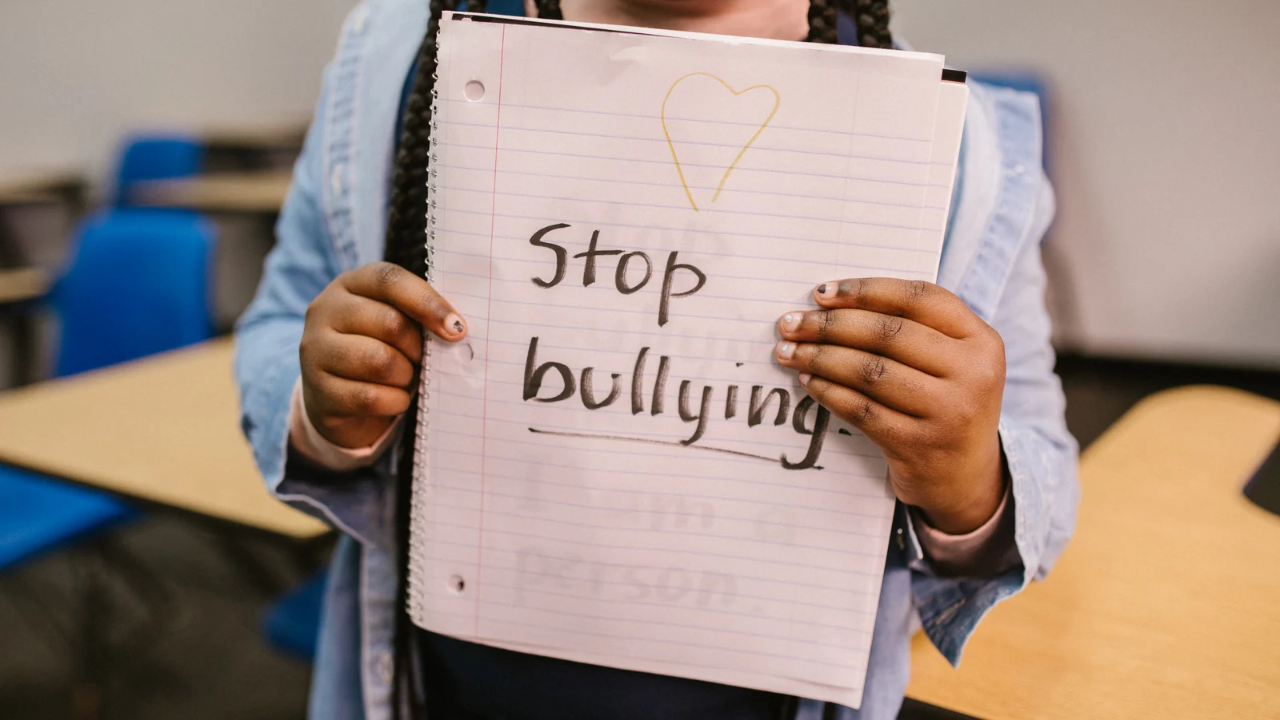
There have been many cases where such bullying has cost people their lives. (Image- Canva)
There’s a very thin line between holding someone accountable for their actions and turning their mistakes into public entertainment. Calling out harmful behaviour can be necessary, even when institutions fail to respond, and we have seen many cases where institutions have had to take action against those responsible. But online vigilantism can quickly move beyond criticism and turn into harassment and bullying. A person’s mistake does not justify every kind of reaction towards them. The study ultimately found that these types of behaviours have very little to do with the person being criticised and more to do with our own personal grudges that come out. A major factor that shapes such behaviour is the anonymity of social media. Anyone can create a social profile using almost any name or identity. Most people in the real world would not dare to speak a word, but since anonymity protects them, they are able to express as much frustration as they can towards people who do not even deserve it. There have been many cases where such bullying has cost people their lives.Perhaps, before joining the next online pile-on, we should ask ourselves whether we are really standing up for what is right or simply enjoying the sight of someone else being torn down.