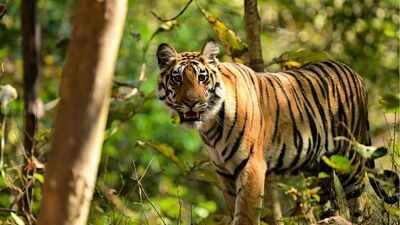
While hunting was a prestigious sport for the royals of the older times, their enjoyment cost the ecosystem and its inhabitants in irreversible ways. However, fortunately, the modern world became more conscious about nature and started looking at preserving the balance in natural habitats. This consciousness has provided us with incredible conservation stories, especially in India where landscapes are full of varied wildlife, from sensitive Himalayan species to an abundance in the Western Ghats. One such conservation success story comes from regal Rajasthan for the conservation of India’s national pride, the Tiger.Welcome to Sariska Tiger Reserve, located roughly 200 km from Delhi, it is a wildlife escape in Rajasthan’s Alwar district. The tiger reserve became the site for the World’s First Tiger Relocation program in 2008 and is today studied as a successful case study. The strategy’s success was declared in 2012 itself when tigress ST2 gave birth to 2 cubs. Now, the tiger population has reached 58 with ST-26 being filmed with her two newborn cubs last month. The moment feels like completing a full cycle as the 6-7 year old tigress was herself born in Sariska.
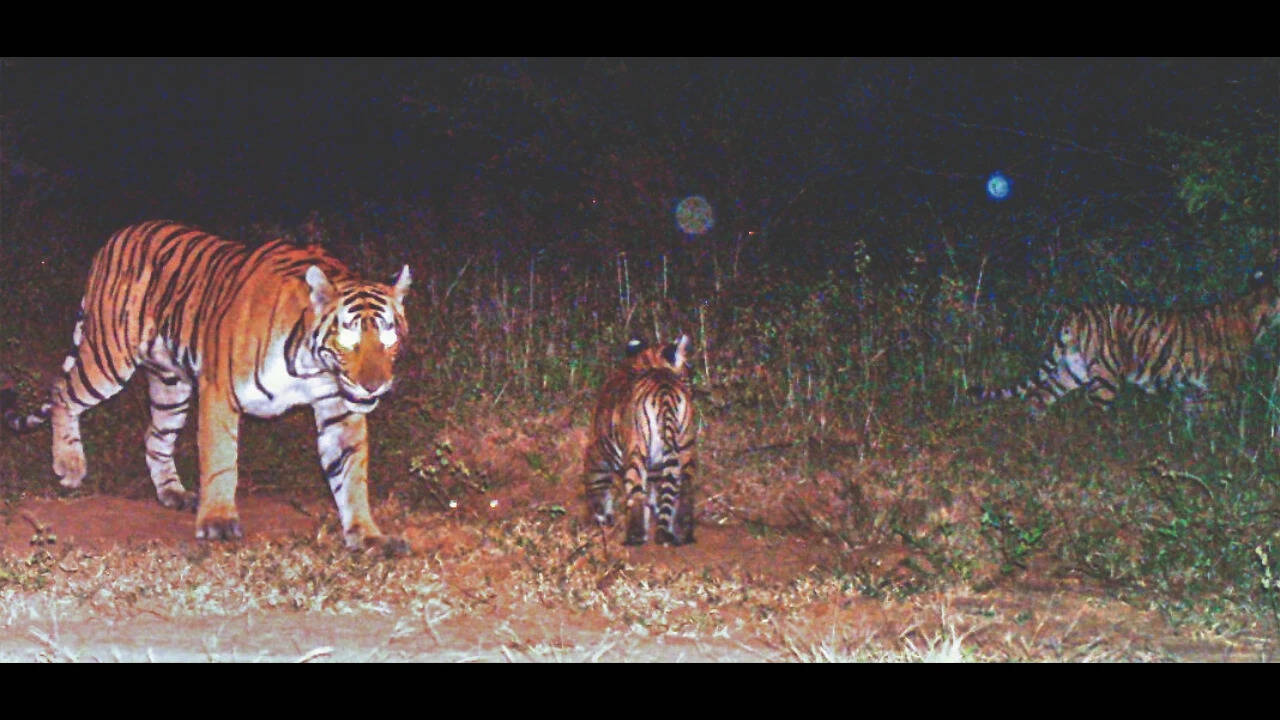
Sariska Tiger Reserve Gets 2 New Cubs
The sanctuary of wildlife
Sariska used to serve as the hunting ground for the princely state of Alwar. The very first mention of the region goes way back to the Prahlad-Hiranyakashap story, and the Pandavas’ year-long exile in secrecy in Mahabharat (Virat Nagar). The region eventually gained prominence when it came under the control of the Bargujar Kings, who were part of the huge Gujara Pratihara empire in northern India.After independence, conservation efforts began with it being notified as a Wildlife Reserve in 1955. Its status was raised in 1958 with recognition as a Wildlife Sanctuary. Finally, it came under Project Tiger in 1979 and became Sariska Tiger Reserve. The landscape at the reserve is unlike other forests, it is dry the majority of the year. During summer, temperatures can even reach 45°C as the jungle turns ash brown due to heat. However , the monsoon season brings some relief to the region.
The tiger comeback story
By 2005, tigers had disappeared from the reserve. Their local extinction was a devastating setback, raising difficult questions about wildlife protection and the future of the landscape. Yet the story did not end there.
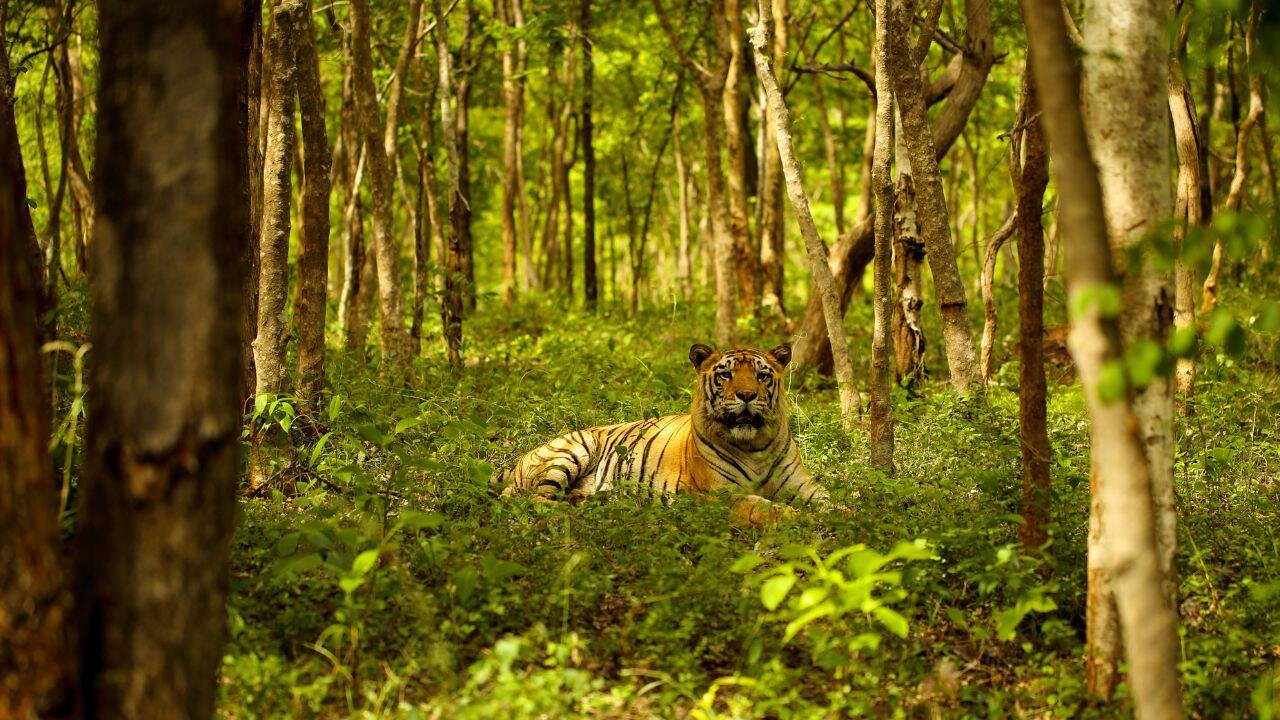
(Image Credit: Canva)
In 2008, a pioneering programme began reintroducing tigers from Ranthambore to Sariska. The effort involved scientific planning, monitoring and continued protection, marking an important experiment in restoring a species to a landscape where it had vanished. According to a June 2026 announcement by India’s Press Information Bureau, Sariska had recovered to support 56 tigers, 18 years after the reintroduction programme began. The initiative is recognised as a landmark in wildlife conservation and a source of lessons for future tiger-recovery efforts. This number increased to 58 with two new cubs observed last month.This turned out to be the world’s first successful tiger relocation project, made possible by intricate planning, habitat protection, wildlife monitoring and local community efforts. A visit to Sariska becomes more meaningful when you see it not merely as a place to photograph a tiger, but as a landscape still working to protect its wildlife.
Planning your Sariska adventure
The best way to explore the reserve is on an authorised jeep or canter safari. Winter, broadly from October to March, is a comfortable period for exploring the region, although mornings can be chilly. Summer can be hot, but wildlife activity around water sources may make it appealing to some visitors. Safari availability and timings vary by season, and visitors should check current rules before travelling.How to reach: Sariska lies in Alwar district, Rajasthan.By Air: Jaipur International Airport is the nearest airport to Sariska. It is located approximately 133 km away from the reserve. After you land, you can hire a taxi or catch a bus to reach the reserve.By Train: Alwar Junction is the nearest railway station and around 35 km from Sariska. Enough trains are available from major cities, including Delhi, Jaipur and Mumbai. From the station, taxis and local buses will be available to take you to Sariska.By Road: Sariska enjoys good road connectivity with several cities and towns across Rajasthan and neighbouring states.If travelling from Delhi, take NH48 (Delhi-Jaipur Highway) and continue via the Alwar-Bhiwadi Bypass Road. From Jaipur, follow NH48 and then take the Alwar-Jaipur Road towards the reserve.