We measure pollution by what we can see: smoke rising from factories, plastic floating in rivers, or oil spreading across the surface of water. But some of the most persistent environmental damage happens quietly, beneath the ground, sometimes for generations. Among those hidden places, A railway yard may seem like an unlikely place for an environmental crisis, but what lies beneath the ground can sometimes be more dangerous than what meets the eye. And that’s exactly what happened in California, US.In Dunsmuir, California, oil from an old locomotive-fuelling facility had been leaking into the surrounding soil and the Sacramento River for decades. It was not until in 2019, that the scale of the contamination came forward only when authorities began investigating the seepage.The investigation revealed that the problem was much older than initially understood. According to the US Environmental Protection Agency (EPA), the contamination could be traced back to the early 1900s, when leaking tanks and equipment were used to fuel locomotives at the railyard. Over the years, oil accumulated in the surrounding soil and continued to seep towards the river.In 2021, the EPA began working with the California Department of Fish and Wildlife, the Central Valley Regional Water Quality Control Board and Union Pacific Railroad to address the source of the contamination. The cleanup involved removing oil-contaminated soil, dealing with the seepage along the riverbank and restoring the affected shoreline.
How did authorities clean up the decades-old oil contamination?
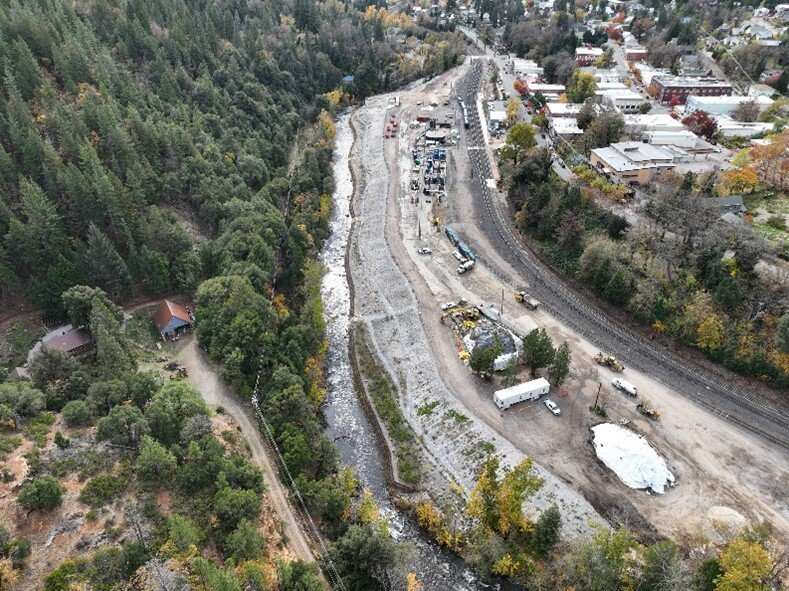
Image Courtesy- EPA official website
The cleanup was a multi-year operation that involved removing contaminated soil and oil from the railyard and rebuilding the affected riverbank. Crews first excavated the oil-contaminated soil and removed portions of an existing retaining wall along the Sacramento River. They then brought in clean soil and installed a special barrier fill designed to prevent any remaining oil from seeping into the river.The work also involved restoring around 1,400 feet of the affected shoreline, improving the river’s capacity and creating additional habitat for wildlife. By November 2025, the US Environmental Protection Agency (EPA) had completed its oversight of the major removal work, which had taken out approximately 75,000 gallons of oil and 100,000 tons of contaminated soil.
What does the cleanup mean for the Sacramento River and its wildlife?
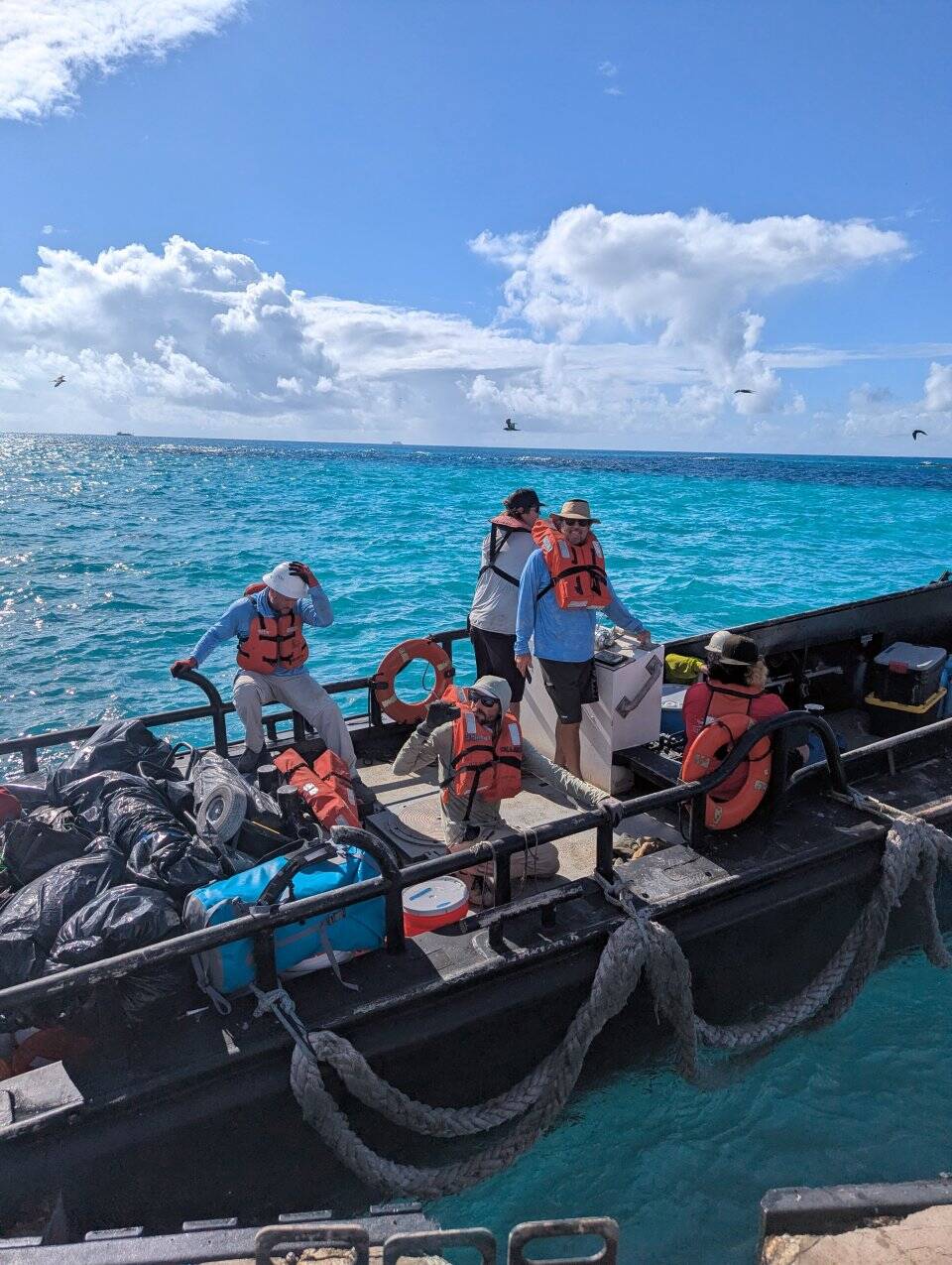
(EPA Official website )
The restoration work was particularly important because the Upper Sacramento River is not just a waterway passing through the region; it is also an important watershed and wildlife habitat. During the earlier stages of the response, crews used oil-absorbing materials near known seepage points to capture oil before it could spread. They also placed oil-retention booms in the fast-flowing river and removed contaminated gravel and stones from sections of the riverbed, replacing them with absorbent materials. These measures were intended to limit the movement of oil downstream and reduce further exposure to the surrounding environment.However, cleaning up an ecosystem is not as simple as removing the visible signs of pollution. The river and its banks need to be monitored to understand whether contamination is still present and whether the restored habitat is holding up. During the 2024 work, authorities regularly checked the water for oil and turbidity, collecting measurements upstream, downstream and near the construction site. This was especially important because removing the old retaining wall and excavating contaminated soil could disturb sediment and release trapped oil into the water.Even after the major cleanup was completed in 2025, monitoring remained necessary. In October 2026, oil was once again observed seeping from the soil along a section of the restored shoreline. Response teams installed containment barriers and booms, while crews removed additional contaminated sand and gravel. The authorities reported that no oiled wildlife had been observed during this response.Pollution does not always announce itself. Sometimes, it remains buried beneath layers of soil, quietly affecting the environment for decades before anyone realises the scale of the damage. The story of the Dunsmuir railyard is a reminder that environmental damage can outlast the industries and activities that caused it. Removing 75,000 gallons of oil and 100,000 tons of contaminated soil was a significant step, but the fresh seepage reported in 2026 shows that the work is far from over. Nature may have the ability to recover, but that recovery requires more than a one-time cleanup. It demands sustained attention, accountability and the willingness to repair damage long after it has been caused.