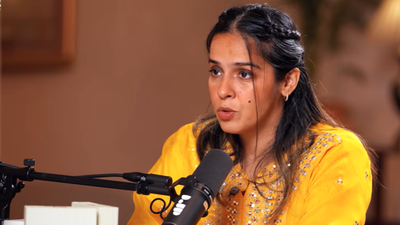
Should children start playing sports seriously only when they are old enough to understand competition, or should parents introduce physical activities much earlier? Badminton champion Saina Nehwal believes children should be introduced to sports as early as three or four years old, not necessarily to train them for medals but to help them develop an interest in physical activity.In a recent podcast conversation with YouTuber Divya Jain, the former world No. 1 badminton player spoke about how parents can encourage children to take up sports, the financial commitment involved in building a sporting career and why they should allow coaches to take responsibility for training.
5 Oct 2026 | 12:06
Parents, when your child refuses to greet relatives, do you make them say hello or respect their choice?
Saina also pointed out that becoming a professional athlete requires considerable family support and sacrifice. She cautioned parents against treating sports as an easy career option, explaining that the journey can involve years of investment before a child starts receiving financial support.
Saina says children should be introduced to sports at 3 or 4
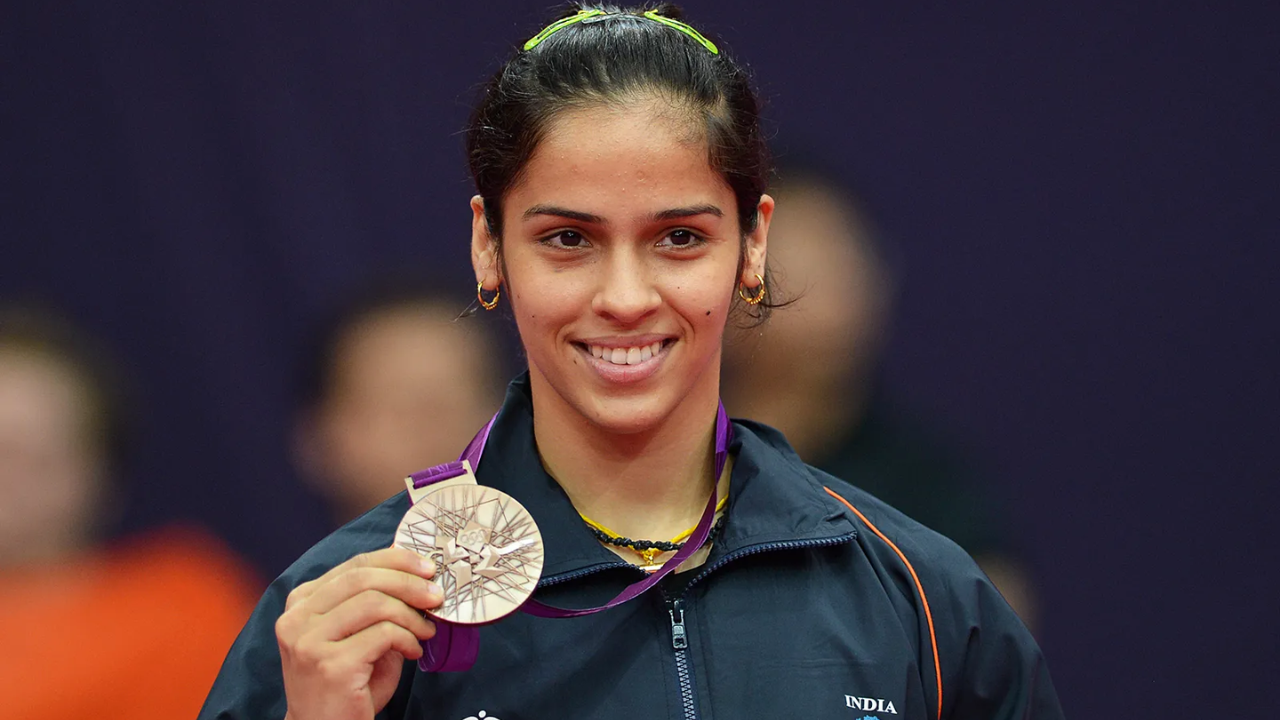
According to Saina, parents do not need to decide which sport their child should pursue from the beginning
When asked what advice she would give young people who want to make a name for themselves in sports, Saina spoke about the importance of starting early. “In countries like China and Russia, children start playing sports at the age of three or four,” she said.She explained that parents often ask her whether they should enrol their three- or four-year-old children in sports. Her suggestion is to introduce them to different activities at that age and allow them to explore what interests them. “I feel that children should be introduced to sports at the age of three, four or five. Let them play for two or three years and develop an interest,” she said.According to Saina, parents do not need to decide which sport their child should pursue from the beginning. It could be badminton, pickleball or any other activity that the child enjoys. She also encouraged parents to take children outdoors rather than allowing screens to become their main source of entertainment. “Instead of giving children phones and allowing them to spend all their time playing video games, take them to the playground,” she said.Saina added that parents themselves should participate in physical activities with their children. When children see their mother and father playing, they are more likely to develop an interest in sports.
Why Saina says parents must understand the financial demands of sports
While encouraging children to play sports, Saina also highlighted the financial commitment involved in pursuing professional sports. She explained that training, equipment, coaching and other expenses can put considerable pressure on families, particularly in the early years when a young player may not have sponsorships or funding. “You also need to understand that sports require a lot of money, especially in the beginning. You may not receive funding or sponsorship immediately,” she said.Initially, parents may have to pay for much of their child’s training and development themselves. Financial support may come later, once the player begins performing well and attracting attention. “The sooner you start performing well, the sooner you may receive sponsorships and financial support. It is still a difficult journey,” she explained.Saina also spoke about the sacrifices families make to help a child reach the highest level in sports. Parents may have to give up holidays, personal time and other activities to support their child’s training and competitions. “One parent may have to go completely crazy to help a child become a champion. They may have to sacrifice their holidays and personal time,” she said.She added that a medal is not simply an individual achievement because the family often plays a major role in making it possible. “If parents can make those sacrifices and want their child to reach the highest level, they must understand that the medal is not just the child’s achievement. It belongs to the entire family,” Saina said.
Why parents should not interfere too much with coaches
Another important point Saina raised was the division of responsibility between parents and coaches. She believes coaches should have the authority to discipline young players and push them to improve. Parents, meanwhile, should avoid interfering excessively in the coaching process.“I feel coaches should have some authority to discipline children. They should be allowed to push them to improve. Of course, parents should not interfere too much in coaching. They should let coaches do their jobs,” she said.According to Saina, parents and coaches have different responsibilities. Parents should maintain discipline at home, while coaches should handle training and discipline on the court. She also stressed that children need to learn from their mistakes rather than being protected from every difficult experience. “Children also need to learn from their mistakes. You cannot protect them from every difficult experience. Sometimes, you need to face a setback to understand what went wrong,” she said.