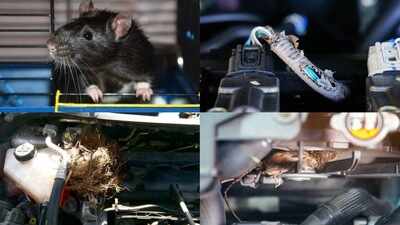
You turn the key one morning, and nothing happens. Or the dashboard lights up like a Christmas tree, and the mechanic pops the bonnet to find chewed wires, shredded insulation and a little nest tucked beside the battery. It is a story many car owners know all too well. Rats love the warm, quiet engine bay, and modern wiring is often coated in soy-based insulation that, unfortunately, they find tempting. The damage can run into thousands of rupees and leave you stranded at the worst possible time. The good news is that a few simple habits and home remedies can make your car far less inviting to rodents. Here is what actually helps.Keep the area around your car cleanRats go where there is food and shelter. Crumbs on the floor mats, half-eaten snacks in the glovebox or a heap of garbage near your parking spot can all attract them. Clear out wrappers and leftovers every few days, and vacuum the interior regularly. If you park at home, keep the area free of cardboard boxes, old tyres, bags of grain or pet food, because rodents love hiding in clutter. A tidy parking spot is the first and cheapest defence, and it makes every other remedy work better.Use strong smells they dislikeRats have a very sharp sense of smell, and some scents put them off. Peppermint oil is the most popular choice: put a few drops on cotton balls and place them near the engine bay, in the boot and around the tyres. Cloves, camphor and dried red chilli can work in the same way. Refresh them every week or so, as the smell fades quickly. These remedies will not guarantee protection, but many people find that they help, especially when combined with other steps. Keep scented items away from hot engine parts and belts.Try natural repellent spraysIf cotton balls feel messy, you can make a simple spray at home. Mix water with a few drops of peppermint or eucalyptus oil, along with a little diluted garlic or chilli extract, and lightly spritz the areas around the wheel wells, undercarriage and parking spot. Avoid spraying directly on wires, the battery or electrical connectors. Reapply after rain or washing the car. You can also buy rodent-repellent sprays at auto shops, many of which use plant-based ingredients, but always read the label before using one near sensitive parts.Block the entry pointsRodents can squeeze through surprisingly small gaps. Check for openings around the firewall, air vents and the area beneath the car where pipes and cables run. Wrapping vulnerable wires with rodent-proof tape, which is often infused with chilli extract, can deter chewing. Fine metal mesh or steel wool can help seal small gaps in your garage or parking shed, though it should never be stuffed into the engine bay, where it may become a fire risk. A mechanic can advise you on safe options for your particular car.Light up and disturb their peaceRats prefer dark, quiet and undisturbed places. Parking in a well-lit area, or leaving a small LED light under the bonnet, can make them think twice. Popping the bonnet open overnight in a safe, secure garage is another trick, because it exposes the engine bay and removes the cozy cover rodents like. Starting your car and driving it regularly also stops a nest from forming. If your vehicle stays parked for weeks, give it a quick start and check every few days.Disclaimer:This article is for general informational purposes only and does not constitute professional automotive, pest-control or safety advice. Home remedies may not work equally well in every situation, and results can vary by location, vehicle and the severity of the infestation. Avoid applying any substance directly to wiring, batteries or hot engine parts, and consult a qualified mechanic or pest-control professional if you suspect damage or have a persistent problem.