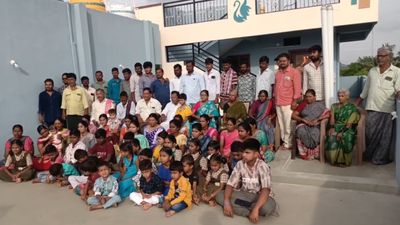
At a time when joint families are becoming increasingly rare, one family in Andhra Pradesh is still living by the old idea of staying together literally, in every sense. In Kurlapalli village of Anantapur district, 83 members of the Nagappa family, spread across six generations, live as one household. They occupy four adjoining houses, but share a kitchen, meals, finances, work and family decisions. And feeding this family is no small task. Around 50 kg of rice is cooked every day.As per PTI and various media, the Nagappa family is headed by elders Mutyalappa and Hanumantha Rayudu. The household includes six mothers-in-law, 14 daughters-in-law, 20 children, grandparents and other elderly members. Despite its size, the family follows a carefully organised routine that allows dozens of people to live, work and eat together.Every morning begins with a family meeting. The elders gather over coffee and decide what needs to be done that day, from the household menu and grocery purchases to farming work and other responsibilities. Members are assigned different tasks, with some heading to the fields while others stay back to cook and manage the home.“We divide work among the family members every morning,” Mutyalappa told BBC Telugu. “We ensure welfare, food, clothing and all other needs of the family.”
One kitchen for 83 people
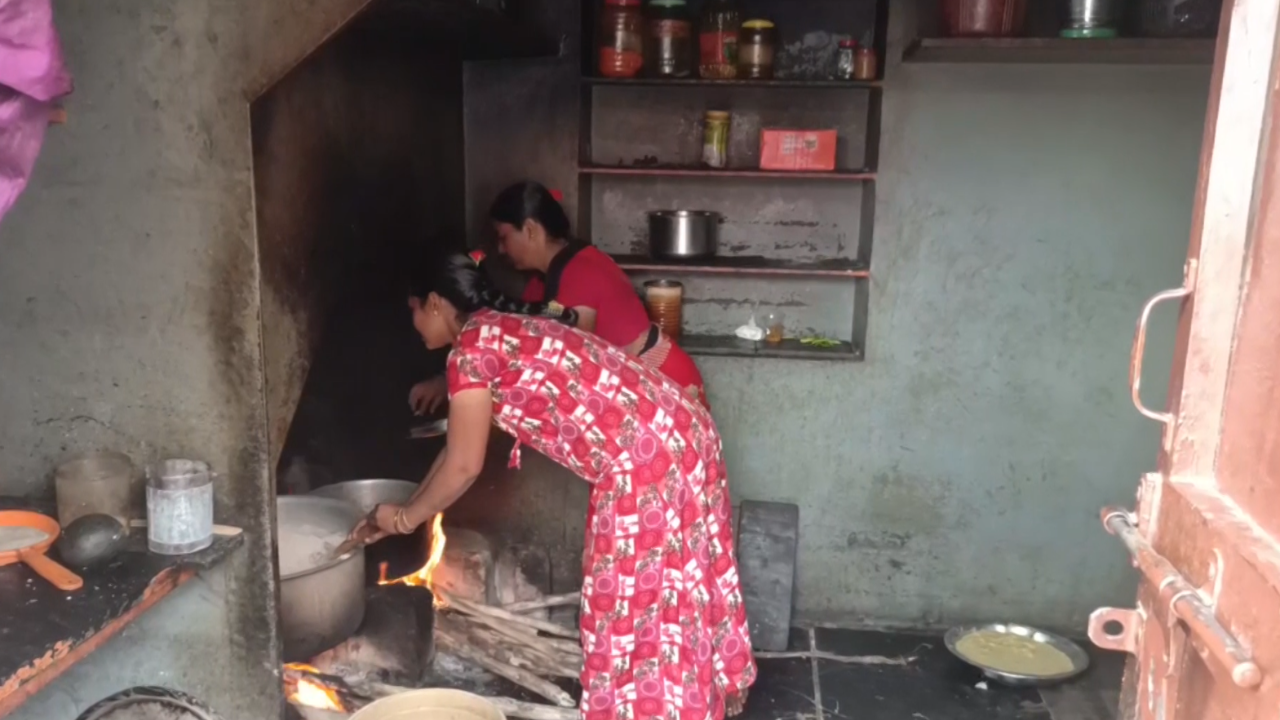
The family may live in four neighbouring houses, but there is no separate cooking.
The family may live in four neighbouring houses, but there is no separate cooking for individual households. The food is prepared collectively, with the daughters-in-law working together in the kitchen and the elders overseeing purchases of groceries and other essentials.“Even now, no matter what we do, we make the same food for everyone,” Mahesh, one of the family’s sons, told BBC Telugu. “We make the same curry, rice, and porridge.”The scale of the cooking is difficult to imagine in an ordinary household. The family uses about 50 kg of rice a day, with large quantities of food prepared over firewood to feed everyone. The common kitchen is also part of the family’s larger system of sharing. Income is pooled, expenses are shared and household needs are treated as collective responsibilities.
Farming, buses and a shared income
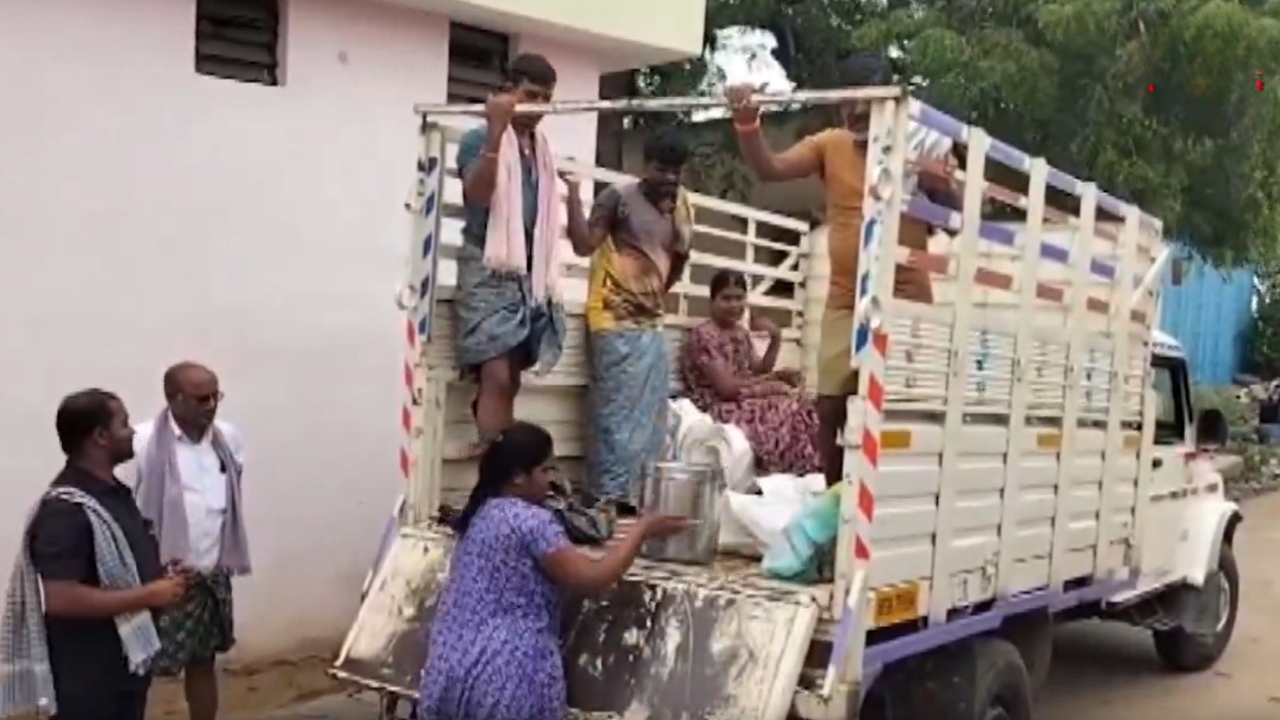
Income from farming and the transport business is managed collectively, helping support the large household.
The family’s livelihood is built on more than agriculture. The Nagappas farm around 120 acres and also run a bus transport business. The family owns four buses operating between Kalyandurgam and parts of Karnataka.Income from farming and the transport business is managed collectively, helping support the large household. For the family, this arrangement is not simply about tradition. They believe staying together has played a major role in transforming their fortunes.Mutyalappa says the family came from extreme poverty. “We didn’t have a blanket to cover ourselves, we only had one meal [a day] to eat. We have grown to this level now. This was possible only because we were all together. If we had been apart, we would never have reached this level.”
“They do whatever I say”
But the arrangement also reflects the traditional patriarchal structure of a large joint family. Hanumantha Rayudu, another senior member, says the responsibility of managing the family fell on him after the death of his father and grandfather.“Since the death of my father and grandfather, the burden of the family has fallen on me,” he told BBC Telugu. “We live by showing each one their own support. So far, we have not had any problems or differences. We have all worked hard together. They do whatever I say.”
How 83 people make one home work
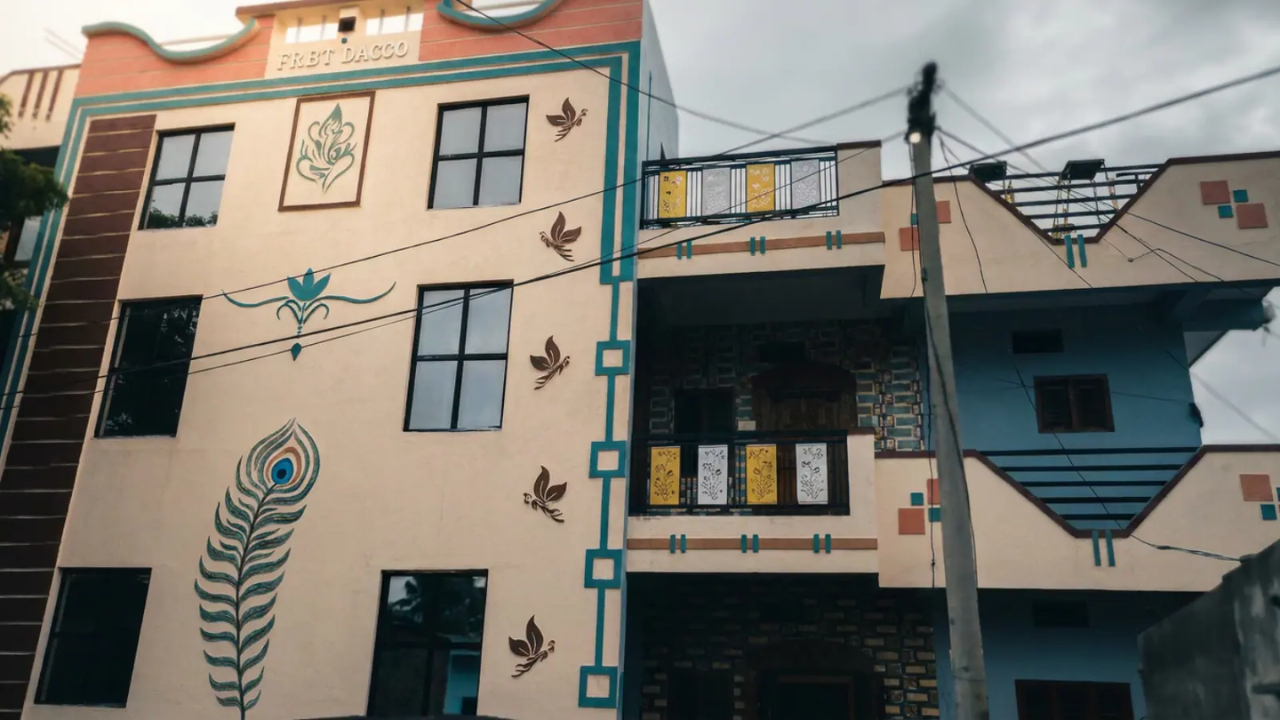
The family is spread across four houses rather than literally sharing one building.
The Nagappa family is spread across four houses rather than literally sharing one building. But in practice, the boundaries between those homes appear to matter little. There is one common kitchen. There are common meals. Income is pooled. Household responsibilities are divided. Major decisions are discussed collectively.The elders plan the day, women manage the massive cooking operation, farming requires the labour of multiple family members and the transport business adds another source of income. The arrangement also means that children grow up surrounded by parents, grandparents, uncles, aunts and cousins from several generations.For a family of 83, living together clearly requires discipline. But the Nagappas believe the benefits outweigh the complications.