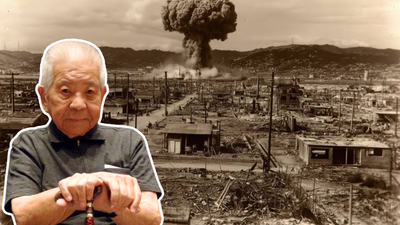
On August 6, 1945, Tsutomu Yamaguchi was preparing to leave Hiroshima. His three-month work assignment was over, and he was ready to return home to Nagasaki, where his wife and infant son were waiting. Instead, he found himself at the centre of one of the most devastating attacks in history. Three days later, after making it back to Nagasaki with serious burns, Yamaguchi was caught in another atomic bombing. He survived both. Yamaguchi, then a 29-year-old engineer working for Mitsubishi Heavy Industries, is officially recognised by Japanese authorities as the only known person to have survived both the Hiroshima and Nagasaki atomic bombings.
August 6: The Hiroshima bombing
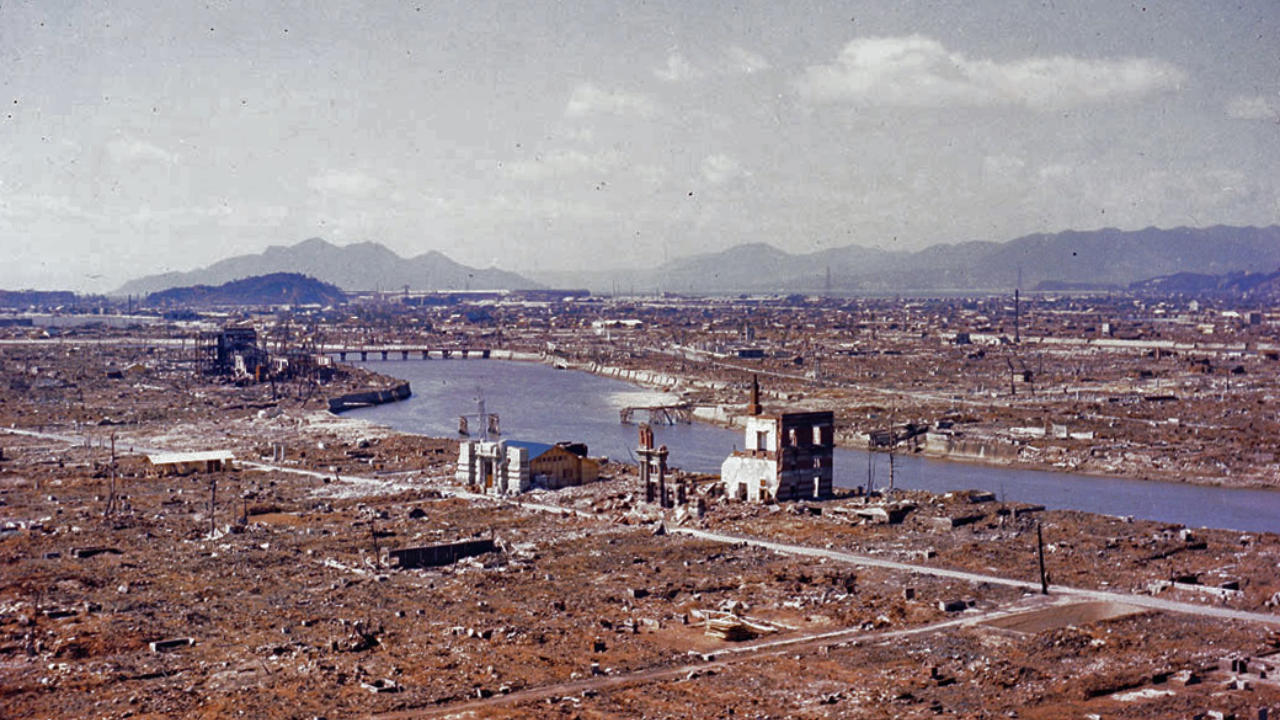
American B-29 bomber Enola Gay dropped the atomic bomb known as “Little Boy”.
Yamaguchi had spent three months in Hiroshima working on the design of an oil tanker for Mitsubishi. August 6 was supposed to be his final day in the city. According to The Guardian and various media reports, Yamaguchi and two colleagues, Akira Iwanaga and Kuniyoshi Sato, were preparing to return to Nagasaki on August 7. They had collected their belongings and were heading towards the railway station when Yamaguchi realised that he had left his personal seal at the office. He turned back.That decision put him in Hiroshima when the American B-29 bomber Enola Gay dropped the atomic bomb known as “Little Boy” shortly after 8.15am. The bomb detonated about 580 metres above central Hiroshima. Yamaguchi was within roughly three kilometres of the blast, as per various media accounts.The explosion knocked him to the ground. He suffered severe burns and injuries, including damage to his hearing. He later recalled seeing an enormous flash before the blast hit. The destruction around him was immense. The Hiroshima attack killed tens of thousands of people immediately, with many more dying from injuries and radiation exposure in the weeks and months that followed.Yamaguchi survived the initial explosion. He found his two colleagues, and the three spent the night in an air-raid shelter. The following day, they made their way to the railway station and travelled back to Nagasaki.
August 9: The second bomb
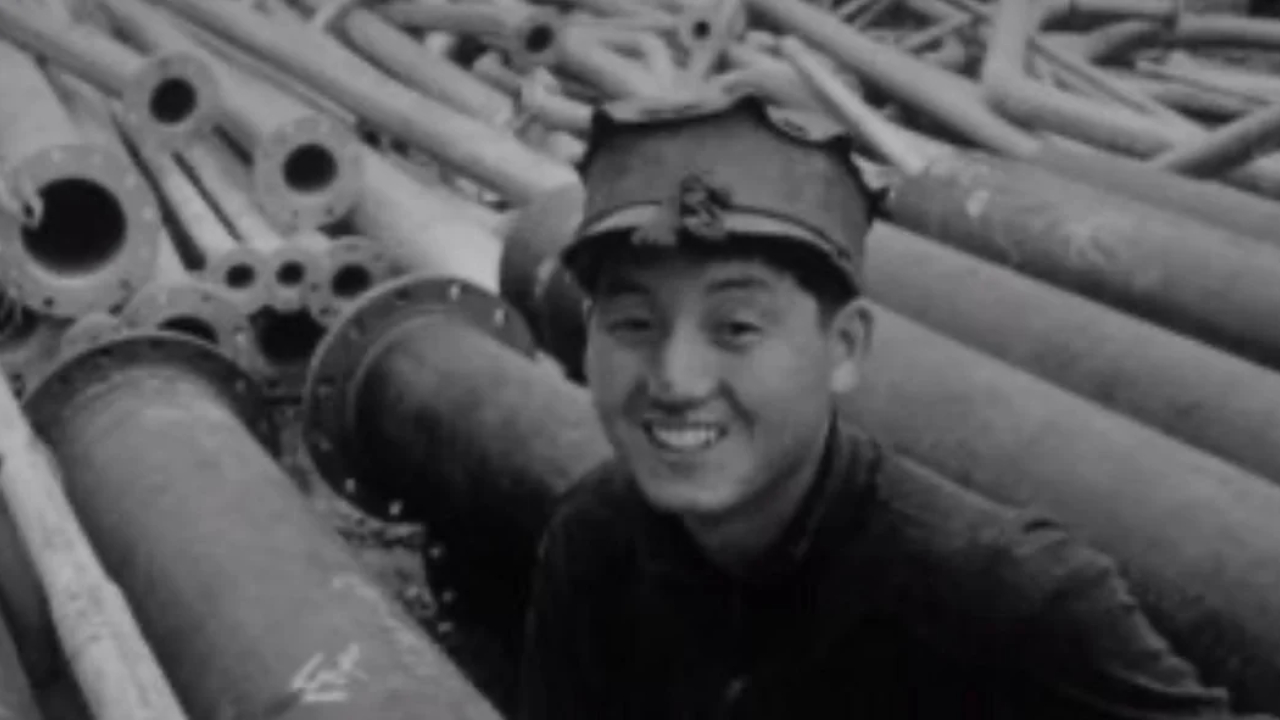
He suffered severe burns and injuries, including damage to his hearing.
Yamaguchi reached Nagasaki on August 8. He had burns wrapped in bandages, but returned to work at Mitsubishi the next morning. According to various media reports, he was telling his supervisor about what had happened in Hiroshima. His account was reportedly met with disbelief: how, the supervisor wondered, could one bomb have destroyed an entire city? Then, at 11.02am on August 9, another American B-29 bomber dropped an atomic bomb on Nagasaki.This time the weapon was “Fat Man”, a plutonium bomb. Yamaguchi was again caught in the blast. He was thrown to the ground, but survived for a second time. His wife and infant son, who were also in Nagasaki, survived the bombing as well. The family spent the following days in a shelter near what remained of their home. The Nagasaki bombing killed tens of thousands of people. According to various media accounts, the two atomic attacks together killed around two lakh people, most of them civilians.
Why Yamaguchi became known as a “double survivor”
Yamaguchi was not the only person to have experienced both bombings. As reported by the The Guardian, Japanese records showed that dozens of people had been in Hiroshima and were later exposed to residual radiation in Nagasaki. But Yamaguchi was unusual because he was close to the blast in both cities. Japanese authorities eventually officially recognised him as a survivor of both atomic bombings. He received this recognition in 2009, when he was 93.
He went back to work after the war
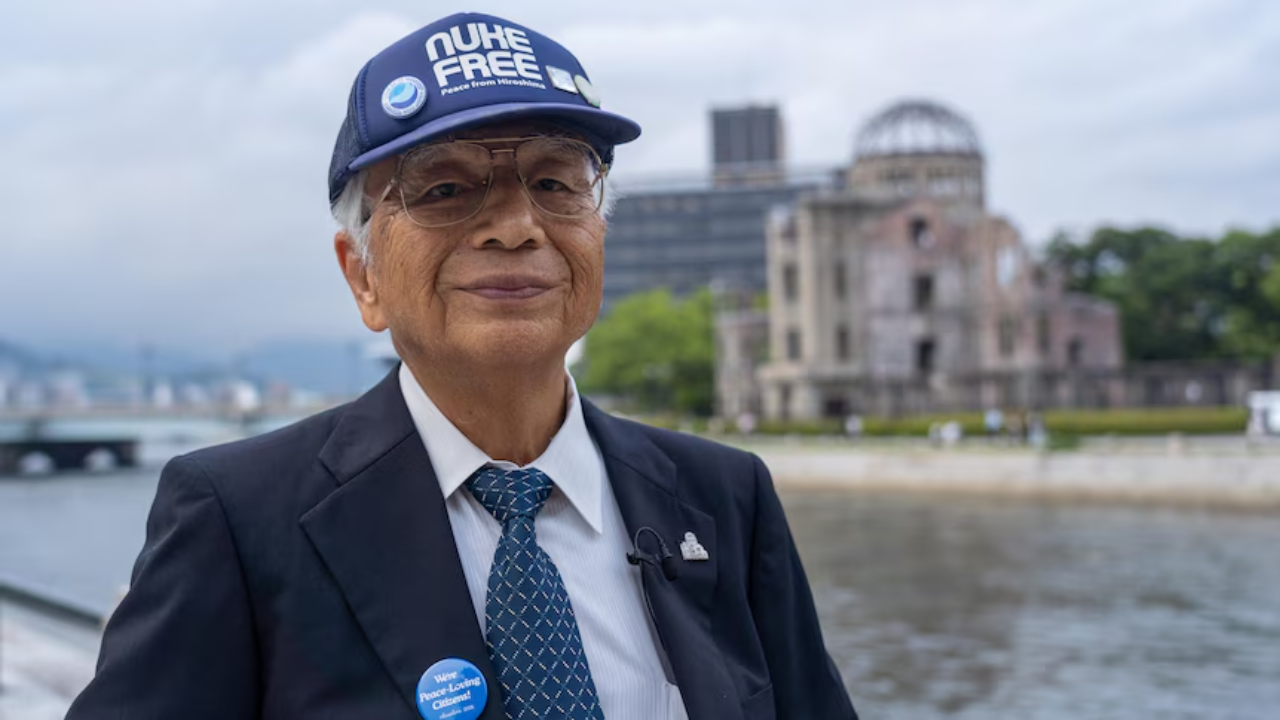
He later travelled to the United Nations and spoke about the dangers of nuclear weapons.
Yamaguchi’s life did not end with the bombings. After World War II, he worked for the US occupation authorities, later became a teacher and eventually returned to Mitsubishi Heavy Industries. A profile of his life published by Nagasaki University records that he worked as an English teacher before returning to Mitsubishi, where he continued working on tanker production until retirement. He later travelled to the United Nations and spoke about the dangers of nuclear weapons.As he grew older, Yamaguchi increasingly spoke about his experiences. In 2006, he appeared in a documentary about people who had survived both atomic bombings. He also wrote about his experiences and became an advocate for nuclear disarmament. In a 2009 interview, he said that having his double exposure officially recorded could help future generations understand the horror of the atomic bombings.
He died in 2010
Yamaguchi lived for more than six decades after surviving two nuclear attacks. He died in Nagasaki on January 4, 2010, at the age of 93. His story has since become one of the best-known accounts of the Hiroshima and Nagasaki bombings, not because he was untouched by them, but because he lived through two attacks that happened just three days apart.