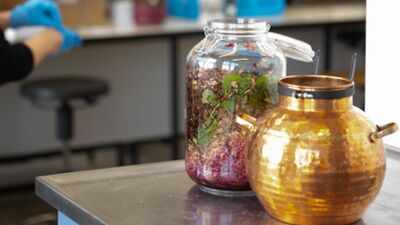
A forgotten recipe written by the 17th-century Dutch poet, musician and scholar ‘Constantijn Huygens’ has allowed researchers to bring a centuries-old fragrance back to life. The scent, which Huygens may have created to preserve the memory of his mother after her death, offers a unique personal glimpse into the life of a man better known for his public achievements. According to Leiden University, researchers from the Young Academy and Huygens ING/NL Lab recreated the perfume using a recipe preserved in Huygens’ collection of household and fragrance formulas. The result was not simply a pleasant historical curiosity. By reconstructing the scent, the team explored how smell can connect people with memory, emotion and the past. What emerged was a floral yet spicy fragrance containing ingredients that still evoke a sense of warmth and familiarity today, centuries after Huygens first recorded the recipe.
How did scientists recreate a 17th-century perfume linked to Huygens’ mother
The recreated fragrance came from a recipe book belonging to Constantijn Huygens, who lived from 1596 to 1687. Leiden University reported that the collection contains around 150 recipes, revealing a side of Huygens that is easily overlooked when considering his better-known roles as a secretary to the Princes of Orange, poet, musician and scholar. The researchers also examined previously unexplored correspondence in which Huygens discussed perfumes. Together, the recipe book and letters showed that he was an enthusiastic amateur maker of fragrances who exchanged recipes with both men and women. For the reconstruction, the team selected a recipe called ‘Rieckend water van mijn moeder,’ translated by Leiden University as an ‘ode to or perfume for his mother.’ Researchers believe the scent may have been connected to Huygens’ memories of her and could have been created to keep those memories alive after her death.That possibility gave the project a particularly emotional dimension. Hanneke Hulst, a professor involved in the project, explained to Leiden University that the parts of the brain involved in processing emotion and memory are closely connected. A smell associated with a powerful emotional experience can therefore create a deep rooted memory. The recreated perfume may offer a rare chance to experience a scent that was probably deeply meaningful to a person who lived more than 300-years-ago.
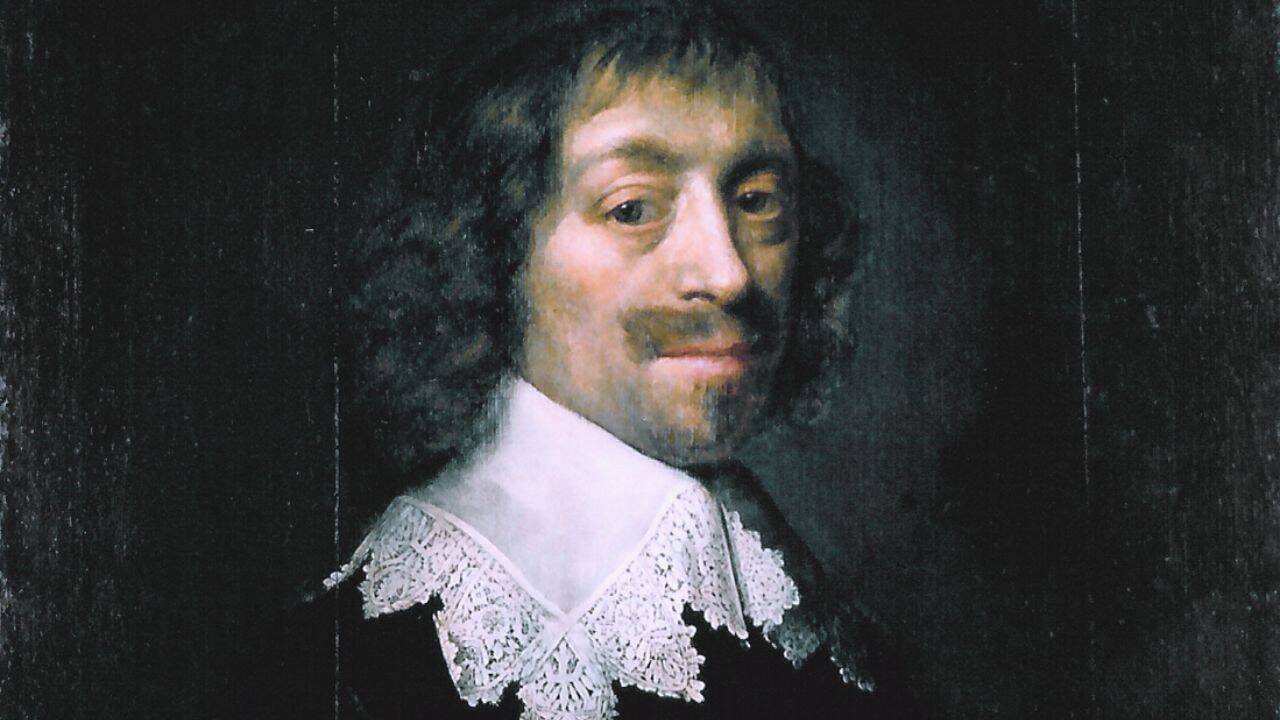
Constantijn Huygens (1596-1687). Image Credit: Michiel Jansz. van Mierevelt
A scent built from flowers and spices
The fragrance itself was quite different from what many people would expect from a modern perfume. According to Leiden University’s account of the project, it combined floral and spicy ingredients, including rose, lavender, thyme, marjoram, clove and cinnamon. The result was described as having more strength and presence than many contemporary fragrances. Rather than being designed primarily as a personal perfume applied to the skin, this particular scented water was intended to be sprayed around the home. That detail helps place the fragrance within the daily world of the 17th century. Scents could shape an environment, fill a room and become associated with particular people or moments. In the case of Huygens’ recipe, the smell may have carried an especially personal meaning. The reconstruction did more than identify a list of historical ingredients. It allowed researchers to combine those ingredients and experience the result in a way that reading a recipe alone could never achieve.
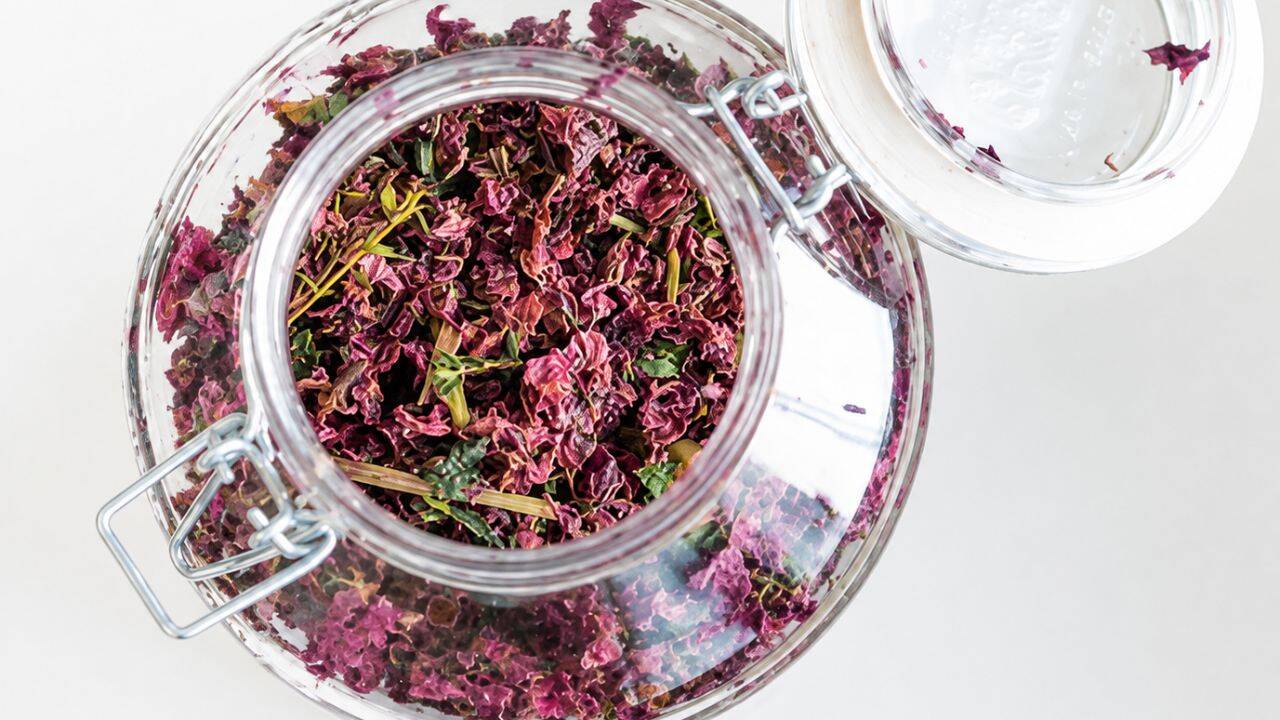
A jar with the ingredients for the perfume. Image Credit: Leiden University
Why did Huygens care so much about scents
The rediscovered letters also suggest that perfume played different roles in Huygens’ relationships. Nadine Akkerman, who studied correspondence networks and the exchange of knowledge for the project, explained that his exchanges with men often focused on practical and scientific matters, such as distillation. With women, however, the role of scent could be more personal and romantic. Leiden University highlighted correspondence between Huygens and the singer ‘Utricia Ogle’ in which fragrance became a way of maintaining a sense of closeness while the two were apart.These details paint a more intimate picture of Huygens. His interest in scents was connected not only with recipes and practical knowledge but also with friendship, memory and affection. That makes the recipe linked to his mother particularly compelling. The scent may have acted as a sensory connection to someone he had lost, turning an ordinary mixture of plants and spices into something far more personal.
The perfume makes the past easier to experience
Historical research is often based on written records, objects and images. A recreated smell introduces another way of approaching the past. According to Leiden University, one of the main hopes behind the project was to help people experience history differently while drawing attention to the close relationship between scent, emotion and memory. Constantijn Huygens can be studied through his poems, letters and political connections, but a smell creates a much more immediate form of contact. It cannot reveal every detail of his life, yet it can offer a small sensory connection to his world. The project also demonstrates how historical research can bring together different areas of knowledge. Specialists in early modern texts and materials worked alongside researchers interested in how the brain processes scents, memories and emotions. The reconstruction itself involved using an alembic, a traditional copper vessel associated with making distilled fragrances.
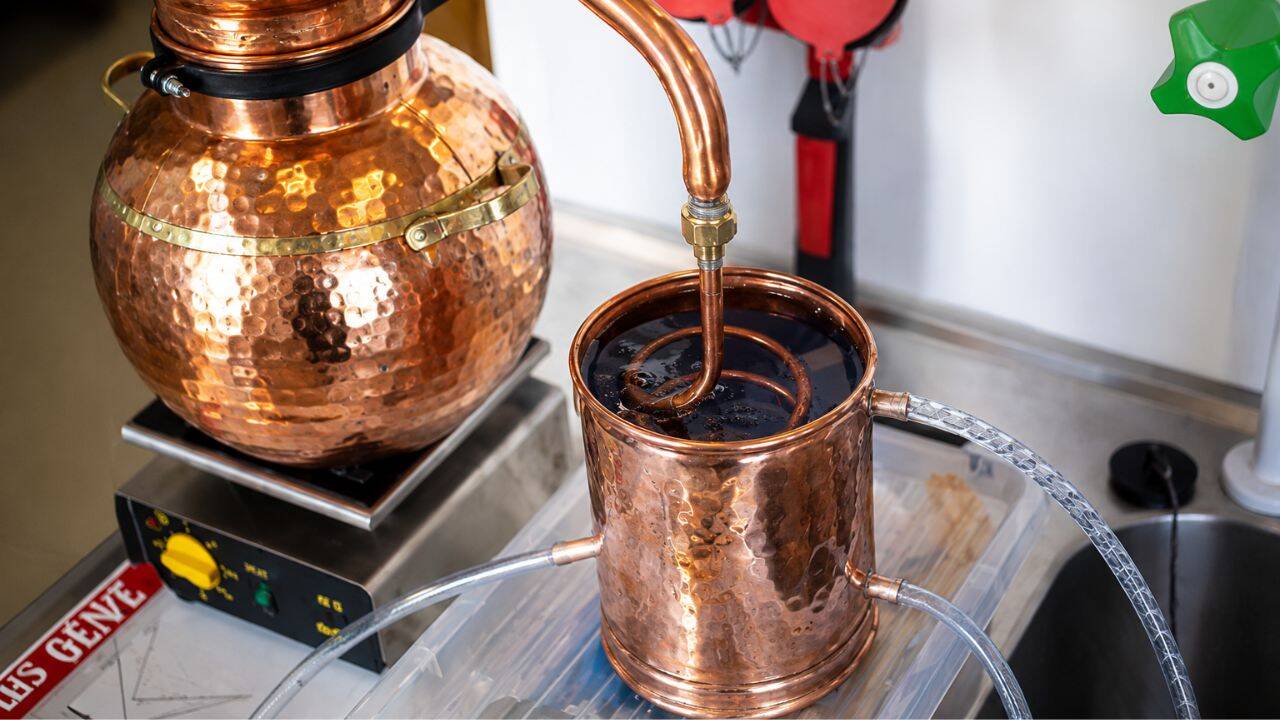
The fragrance is made with an alembic, a copper kettle. Image Credit: Leiden University
A forgotten recipe becomes a living connection
The reconstructed perfume was eventually recreated as an ‘eau de cologne’ by parfumier ‘Mary Pierre Julien’ based on the research team’s work, Leiden University reported. Visitors to an exhibition on Constantijn Huygens at his Hofwijck estate in Voorburg were given the opportunity to smell the fragrance and learn more about how such scents were made. More importantly, the project showed that historical recipes can preserve experiences as well as instructions. A recipe may appear to be little more than a list of ingredients, but behind it can lie a story about relationships, loss and memory. By recreating a perfume from a forgotten 17th-century recipe, the researchers have not only revived an old scent but also brought a deeply human story of memory and emotion closer to the present.