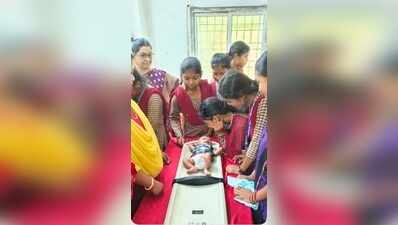
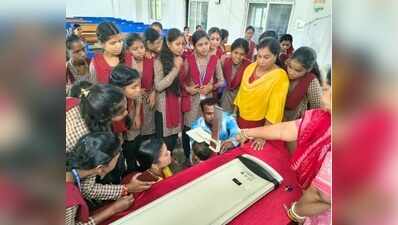
Bhubaneswar: In a first-of-its-kind community engagement initiative, the higher education department has begun involving female college students in the state’s fight against child malnutrition. These students will be trained and sent to anganwadi centres in their respective areas to monitor children for malnutrition this month. Around 5,000 female NSS volunteers from 200 colleges are expected to take part in the first round of the exercise.College teachers, who will serve as programme officers for the initiative, are currently undergoing training. They will subsequently train the selected NSS volunteers in conducting anthropometric assessments and recording the measurements regarding malnutrition accurately. Students’ training in some institutions has already started.The initiative, part of the Suposhit Odisha Mission (SOM), is being carried out in coordination with the women and child development department, which runs the anganwadi network. SOM was launched by deputy chief minister Pravati Parida in Nov last year.The deputy secretary of the higher education department, Ramesh Behera, said the exercise is aimed at cross-checking the nutritional data available with the anganwadi system and ensuring that children who need help are identified early. “Sometimes, the data captured by anganwadi workers is faulty. From every NSS unit in the colleges, some students have been selected. After training, they will visit five to six anganwadi centres in their areas, measure children’s height and weight to assess their growth and nutritional status using smartphones and upload the data on a govt app for growth monitoring,” he added.The students will carry out the fieldwork before their regular class hours, ensuring that their participation does not interfere with their studies, Behera said.For the students, the exercise will also offer an opportunity to engage directly with communities and get a first-hand understanding of child nutrition and the challenges faced by families dealing with malnutrition.Under SOM, the govt aims to make anganwadi centres free of malnutrition by identifying and addressing cases of severe acute malnutrition, moderate acute malnutrition and severe underweight among children. The mission envisages turning anganwadi centres into certified Suposhit anganwadis through regular assessment and targeted interventions.