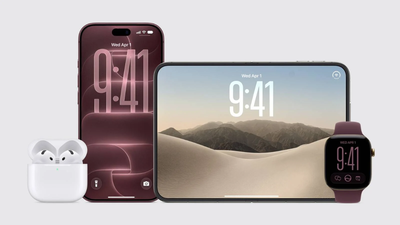
Apple spent six years as the last big phone maker without a foldable, long enough for the joke to go stale twice over. That ended on September 9 at Apple Park, where the company held the iPhone Duo back to the very end of its Surprise and Shine event. It opens into a 7.6 inch display, folds down to roughly the size of a passport, and costs $1,999 in the US, or Rs 2,99,900 if you are buying it here. That makes it the most expensive iPhone Apple has ever sold by a wide margin, and the most interesting one it has built since the iPhone X.And then there were the usuals. Tim Cook turned up too, for a moment, though that turned out to be a moment of its own. The Pro iPhones came with a camera that finally has moving parts inside it. The watches are more health savvy than ever and now carry AI on the wrist. The AirPods showed up as well, not the rumoured ones with cameras, but the ones for the rest of us, and they have noise cancellation at last. Although after the sticker shocks, I suspect most of us missed the iPhone 18 a little. Here is everything from Surprise and Shine and what it costs, starting where Apple started.
Tim Cook walked off, John Ternus walked on, and that was announcement number one
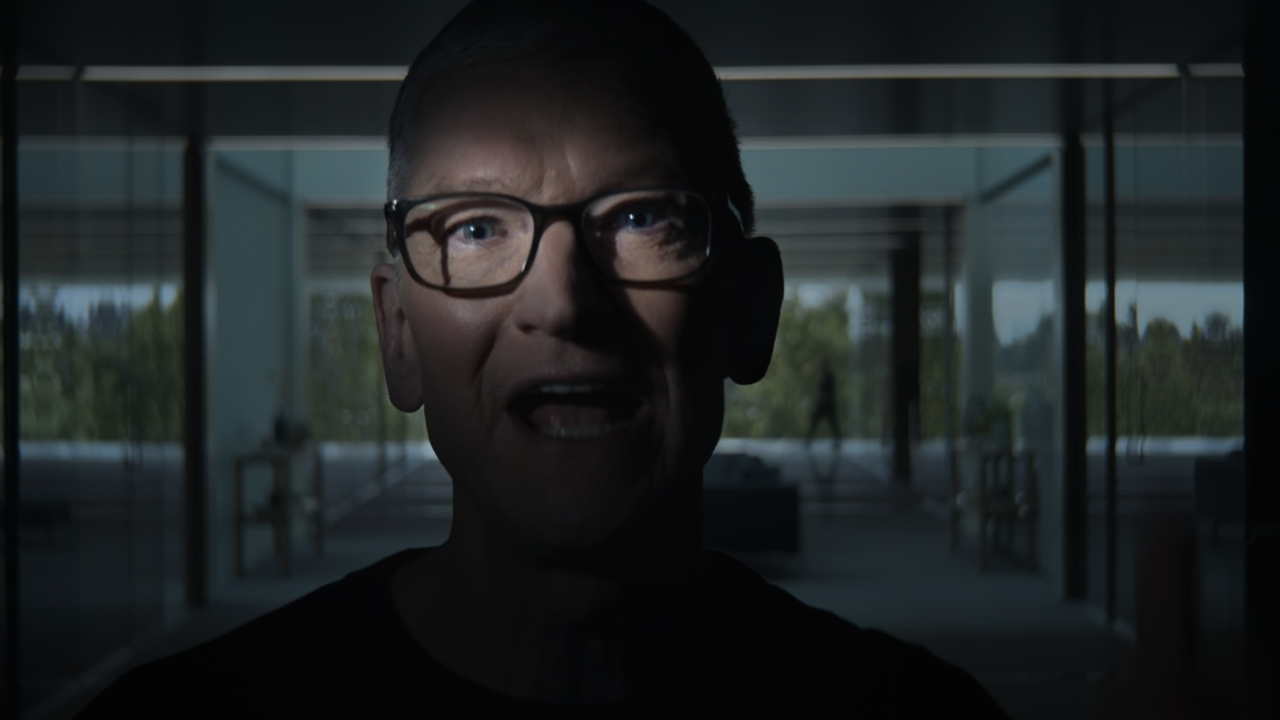
He narrated the film, ruled himself out of it, then walked out anyway.
Apple opened with a film shot on iPhone, all fire and explosions and dynamic range pushed as far as it would go, then flew the camera over Big Sur and followed a car into Apple Park. The voice over all of it was Tim Cook’s, which was the first nice surprise of the evening. He teased the reveal of the main character and then ruled himself out of it: “Not me, that’s your guy.” That only made the second surprise land better, because he walked out in person anyway. Cook said his piece and handed the event over. You know how this one goes. No “good morning” either. Ternus started with a simple hello.As you would expect from a new chief executive, he spoke a little about having spent much of his life at Apple and how proud he is to represent it, before diving head first into what he came to talk about: AI. Describing the ideal AI device as if you were designing one from scratch, Ternus said it would understand your personal context. It would stay with you all day, run models on the device itself, and reach the cloud only when it had to. It would have a big display, good cameras, good microphones and a battery that lasts. Then he landed the conclusion everyone could see coming, which is that this device already exists and it is in your pocket.It’s iPhone. Ternus sees you, OpenAI.He was blunter than Apple usually is on privacy too, saying rivals treat your data as something to collect and store, and that trust stops meaning much once the data is no longer yours to control. The strategy underneath it is straightforward. Apple is not building a new gadget for the AI era. It is arguing that it shipped a billion of them already, and that you bought one.
iPhone Duo is Apple’s first foldable and its most expensive iPhone to date
The Duo opens like a book and lies properly flat. The inner Super Retina XDR panel measures 7.6 inches, roughly half again the size of the iPhone 18 Pro Max screen, and the outer one is 5.4 inches, which works out to about 90 percent of the display area on an iPhone 18 Pro. More usefully, both share an aspect ratio, so what you are watching scales between them instead of reflowing every time the phone opens. That has been the weak spot of every book style foldable so far, and it is exactly the sort of thing Apple takes six years to arrive at. Open, the Duo is 5.2mm thick, thinner than any iPhone before it. Folded, it is 11.3mm and 254 grams, which you will notice in a shirt pocket.The engineering Apple spent the most time on is invisible. The hinge runs to more than 100 components and holds the centre of the panel flat, with a magnet array handling the close. The frame is grade 5 titanium and the hinge cover is 3D printed. The display stack is the cleverer bit. Under the nano textured cover layer, which uses a polymer Apple says is up to 40 percent stiffer than the industry norm, sit sheets of high strength glass held together by adhesives that let the layers slide past one another as the phone shuts, the way pages move in a book. That sliding is what stops a crease becoming a permanent line a year in.
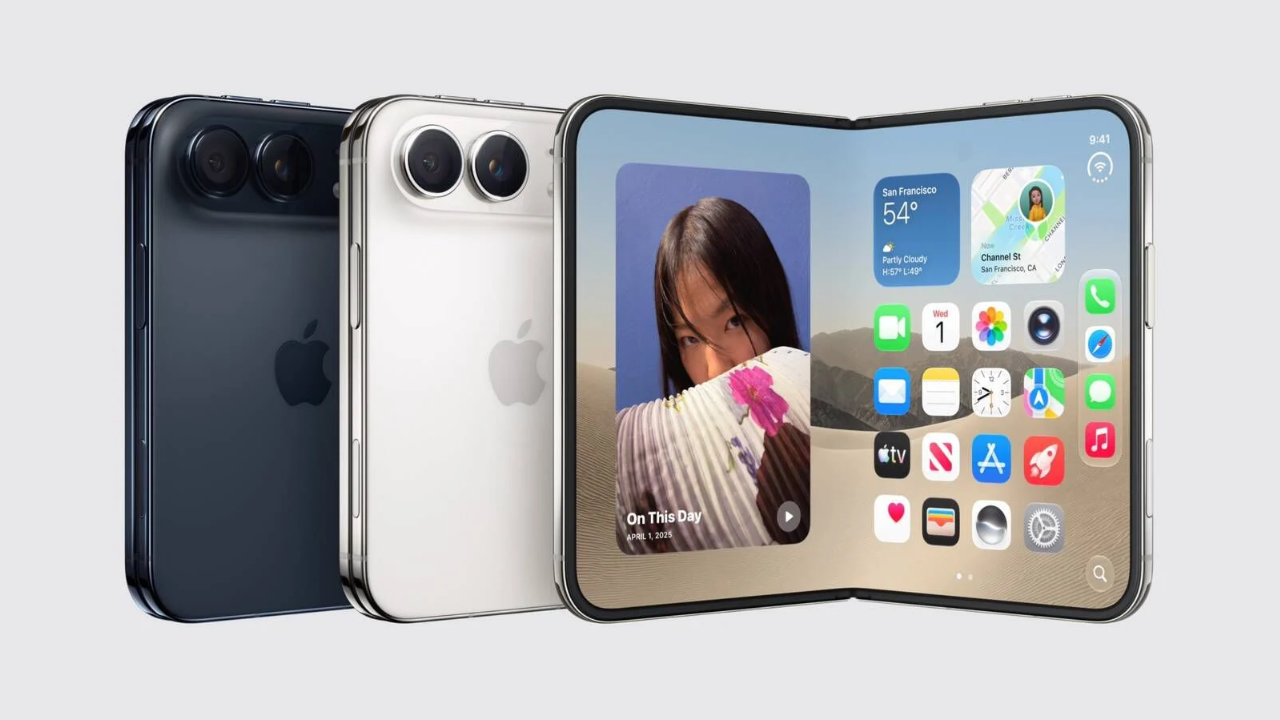
Apple’s first foldable opens to 7.6 inches and folds down to a passport.
The Duo also carries an IP68 rating, which nothing else in this category can claim after six years of everyone else trying, and Ceramic Shield 2 on the outer display. There is no Face ID. Touch ID lives in the side button instead, which iPad owners have been getting on with perfectly well for years, and an Apple Watch will unlock it too. It comes in star white and night sky, and both screens take an Apple Pencil later this year.The cameras are two 48MP units, a Fusion Main with a 2x crop and the Fusion Ultra Wide borrowed from the iPhone 18 Pro. No dedicated telephoto, and no Action button, which feels like a small crime on a phone this expensive. What the Duo has instead is the second screen, and Apple has clearly spent time on it. Duo Preview throws a live viewfinder onto the outer display so your subject can see their own framing while you shoot them with the better rear cameras. Smart Take watches the scene on device and trips the shutter when everyone is actually posing, which finally solves the problem of the photographer never being in the photograph. Kid Cue runs Peanuts animations to make a child look at the lens, and Duo FaceTime lets someone sitting opposite you join the call on the outer screen.In software, iOS 27 moves the dock and controls to the side, runs the Dynamic Island vertically, and brings Split View, so an iPhone can hold two apps at once after eighteen years of insisting it should not. Netflix, Zoom and Slack have already shipped updates for it.The Duo starts at $1,999 in the US and Rs 2,99,900 in India for 256GB, rising to $3,199 at 2TB, with pre-orders from October 16 and sales from October 23.
A20 Pro finally fixes the thing iPhones have always lost at, staying fast
On paper the A20 Pro reads the way all these chips read. It is built on a 2nm process, the 6-core CPU now carries integrated Neural Accelerators, the 7-core GPU is up to 40 percent quicker than the A19 Pro, and the new Dual 16-core Neural Engine doubles AI throughput across 32 cores. Memory bandwidth is up by half. You have seen this slide before.The change that will show up in your hand is thermal, and Apple borrowed it from the Mac. New M-series style packaging puts the silicon die beside the memory rather than under it, which takes the memory out of the chip’s heat path and lets the A20 Pro sit directly against a redesigned vapour chamber with three times the surface area of the one in the iPhone 17 Pro. Apple claims a 40 percent gain in sustained performance from that alone. This is the sort of fix that never makes a headline and shows up every single day. Peak numbers have never been the problem on an iPhone. Holding them through a long recording or an hour of Monster Hunter has been.Battery follows the same logic. eSIM only iPhone 18 Pro models are rated for up to 36 hours of video playback and the Pro Max for up to 45 hours, the biggest jump Apple has claimed on any iPhone, and five minutes on a cable returns about seven hours of video on the Max. The Duo splits a battery across either side of the hinge and claims 31 hours on the inner screen, 44 on the outer, and roughly 24 hours if you use both equally. As always, these are Apple’s numbers in Apple’s lab.
The iPhone 18 Pro camera would like to be taken professionally
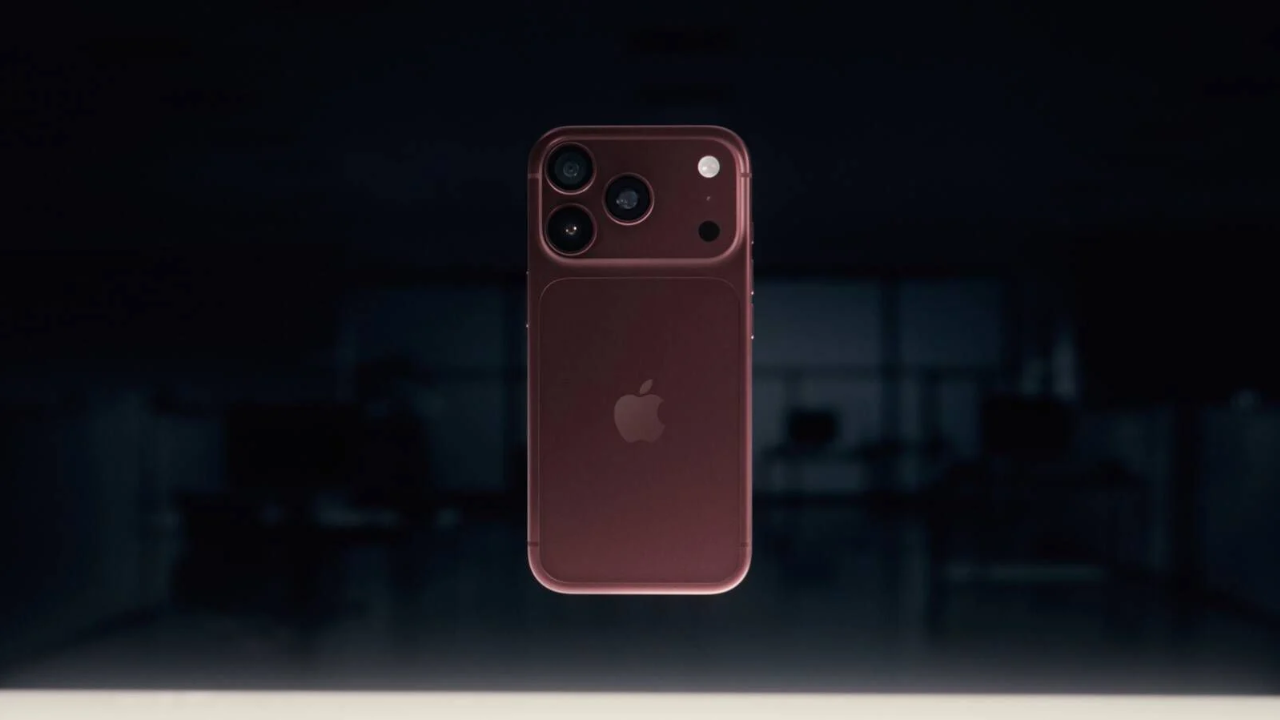
Everything Apple did this year happened behind this lens.
The Pros look much the same as they did last year, so if you are hunting for something new on the outside, there is little beyond a new colour and a Dynamic Island that has been trimmed down. That smaller island has picked up a trick on the way, holding three Live Activities at once while still handling Face ID. The work went inside instead, into the camera, where this year’s big upgrade is a physical one rather than another software pipeline.The 48MP Fusion Main camera now has a variable aperture, built from six laser cut blades on a new rotor, moving between four settings. Six moving blades, inside a phone. Somebody at Apple has been waiting a long time to build this. Leave it alone and it sorts out depth of field and light for you, which should mean cleaner low light frames and a group photo where the people at the back are still sharp.Take control and a new Pro controls layer hands you aperture, shutter speed, white balance and a live histogram, which is roughly the moment the Camera app stops apologising for not being a camera. There is an API for it too, so developers can drive the full aperture range in their own apps.Around that sit changes that add up for anyone who shoots for a living. A new computational imaging pipeline, Photographic Styles with texture and grain controls, Cinematic effects applied after capture at up to 60fps, 4K Dolby Vision time lapse, and an Audio Mix that can now isolate music from a scene.Here is a rundown of the usuals. The Pro keeps its 6.3 inch screen and the Pro Max its 6.9 inch one, both driven by the A20 Pro, with storage from 256GB up to 2TB. The N1 chip handles Wi-Fi 7, Bluetooth 6 and Thread, the C2 modem uploads faster than the C1X on 15 percent less power, and a wired charge gets you to 50 percent in about 15 minutes.The iPhone 18 Pro starts at $1,199 in the US and Rs 1,64,900 in India, the Pro Max at $1,299 and Rs 1,79,900, with pre-orders from September 12 and sales from September 18. Burgundy joins black, silver and glacier, and it is the one worth seeing in person.
Apple has a solution to the AI photo problem
This one barely got a minute of stage time, and photographers will be talking about it long after the aperture. The new sensor in the iPhone 18 Pro’s main camera can cryptographically sign every pixel it sees. Shoot in Reference mode and that signed data goes to Private Cloud Compute, which develops it into a reference image nobody can alter. Open it in Photos next to the edited version, treat it as a digital negative, and you can see precisely what was changed and what was not.Apple is running image metadata and upcoming SynthID support alongside it, so AI generated and AI edited images can be identified too. There are gaps, because there always are. Reference mode will not be available at launch in China or the EU, though people on iOS 27, iPadOS 27 and macOS 27 in Europe can still develop and view reference images sent to them.Still, for photojournalists, for anyone whose work has to survive being questioned, and for the rest of us who have spent two years squinting at pictures that turned out to be prompts, this is the first time a phone maker has treated provenance as a hardware property rather than a policy promise.
The ceramic Apple Watch is back, and Series 12 reads your heart every five seconds
Ceramic returns to the Apple Watch for the first time in years, in pearl white and night blue, alongside new dark bronze, black and light gold aluminium finishes and a radiant gold titanium option. Aluminium models now use Ceramic Shield 2, which Apple says is 60 percent tougher than the older Ion-X glass.Underneath sits a new Health Sensing System and the S11 chip. Larger and more power efficient green LEDs let the watch read heart rate every five seconds all day, and sample heart rate variability up to 24 times more often than before, split into recovery HRV for daily stress and overall HRV for longer term signals. Apple ran a study across more than 1,000 participants and claims the most accurate heart rate sensing in a wearable.
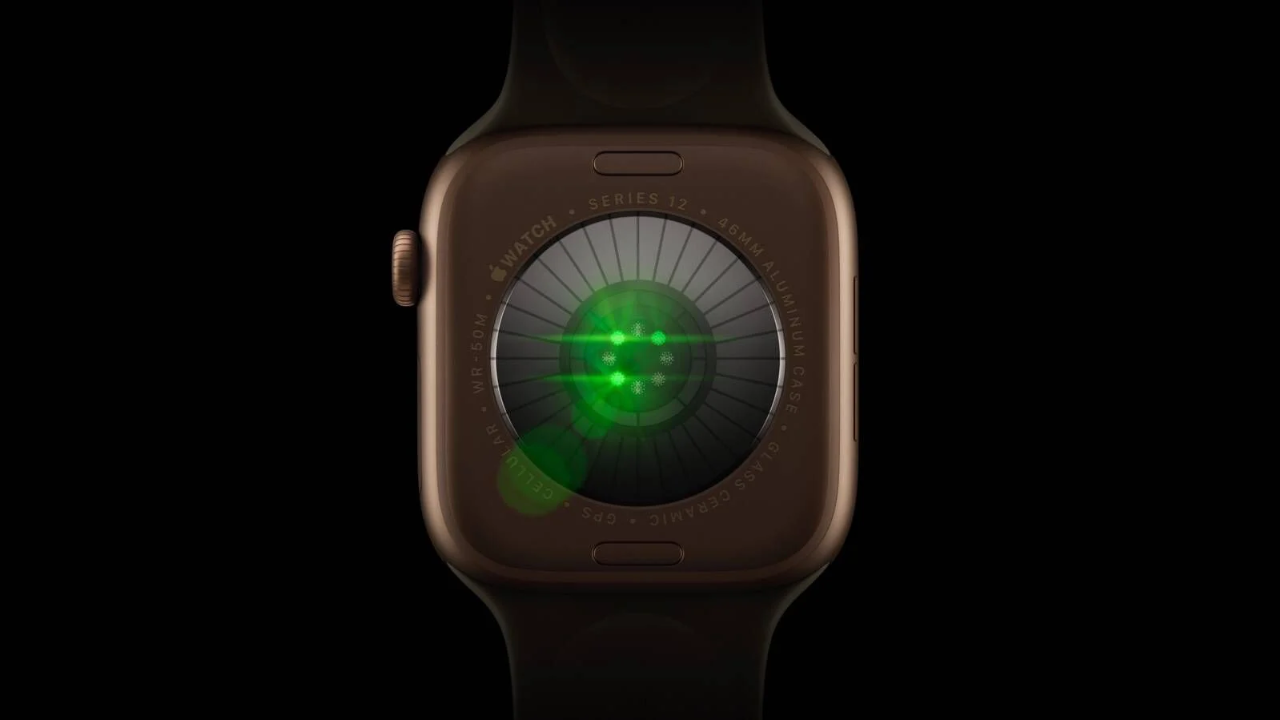
Apple says a 1,000 person study makes this the most accurate heart rate sensor in a wearable.
All of it feeds readiness, a single 0 to 10 daily score built from recent activity, training load, vitals and sleep that resolves into one of four calls: Recover, Pace Yourself, Ready, or Go For It. It updates through the day rather than fixing itself at 6am. Whether you take instructions from your watch is a personal matter. Battery stays at 24 hours, outdoor workout tracking goes to 10 hours, and 15 minutes of charging returns 12 hours.The Series 12 starts at $399 in the US and Rs 56,900 in India, with sales from September 18.
Apple Watch Ultra 4 is more expensive than ever, and lasts longer than ever
The Ultra 4 holds at $799 in the US, but here it costs Rs 1,09,900, which puts an Apple Watch past the one lakh line and into MacBook money. Apple’s argument for that is endurance rather than novelty. Everyday battery is now up to 50 hours, or 84 hours in Low Power Mode. Extended Workout mode tracks for 25 hours with full GPS and heart rate, and Max Extended Workout stretches to 45 hours, which Apple points out is enough to finish a 100 mile race without going near a charger.The Ultra 4 stays in natural and black titanium and shares the Series 12 sensor stack, the S11 chip and readiness. It also gets Audio Intelligence, arriving in beta later this year. Live Rewind shows the last 15 seconds of a conversation as text on a double press of the Digital Crown. Siri Recap writes high level summaries of conversations into the new Siri app. Sound Recognition alerts deaf and hard of hearing users to sirens, alarms and doorbells without an iPhone nearby.A watch that listens is a sentence that makes people uneasy, and Apple has clearly seen that coming. Audio is handled inside a hardware isolated Secure Exclave on the S11 and deleted immediately, nothing is recorded, speakers are never identified, and Live Rewind sounds a chime and lights up the whole display so everyone around you knows it is running. Apple has done the thinking.
iOS 27, macOS 27 and Siri AI all land on September 14
Monday is the other date to note. September 14 brings the lot as free updates, iOS 27, iPadOS 27, macOS 27, watchOS 27 and the rest of the family.Siri AI comes with it, in beta, which tells you how the last two years have gone. The rebuilt assistant can work across your messages, mail and photos to find something you half remember, act on what is on your screen, answer a question about almost anything, and write for you if you describe what you need. There is a new Siri app that keeps your conversation history, a Siri mode in the Camera app, and on the watch, a nod or a shake of the head to say yes or no.The caveats matter more than usual. It starts in English, with five more languages in October, and no Indian language anywhere on the Apple Intelligence list. It does not launch in the EU or China, it is off limits to anyone under 13, and the features that lean on Apple’s servers carry daily usage limits, with the company saying plainly that expanded access will cost money at some point.The rest of the 27 batch of OS upgrades is quieter. You can dial down the opacity of Liquid Glass if the design has been getting to you, which is Apple quietly conceding a point, and there are new icon styles, extra large widgets and a few more cosmetic changes here and there. The broader pitch, though, is a system that is more responsive and more reliable after a year of complaints about both.
AirPods 5 bring noise cancellation at a price the rest of us can pay
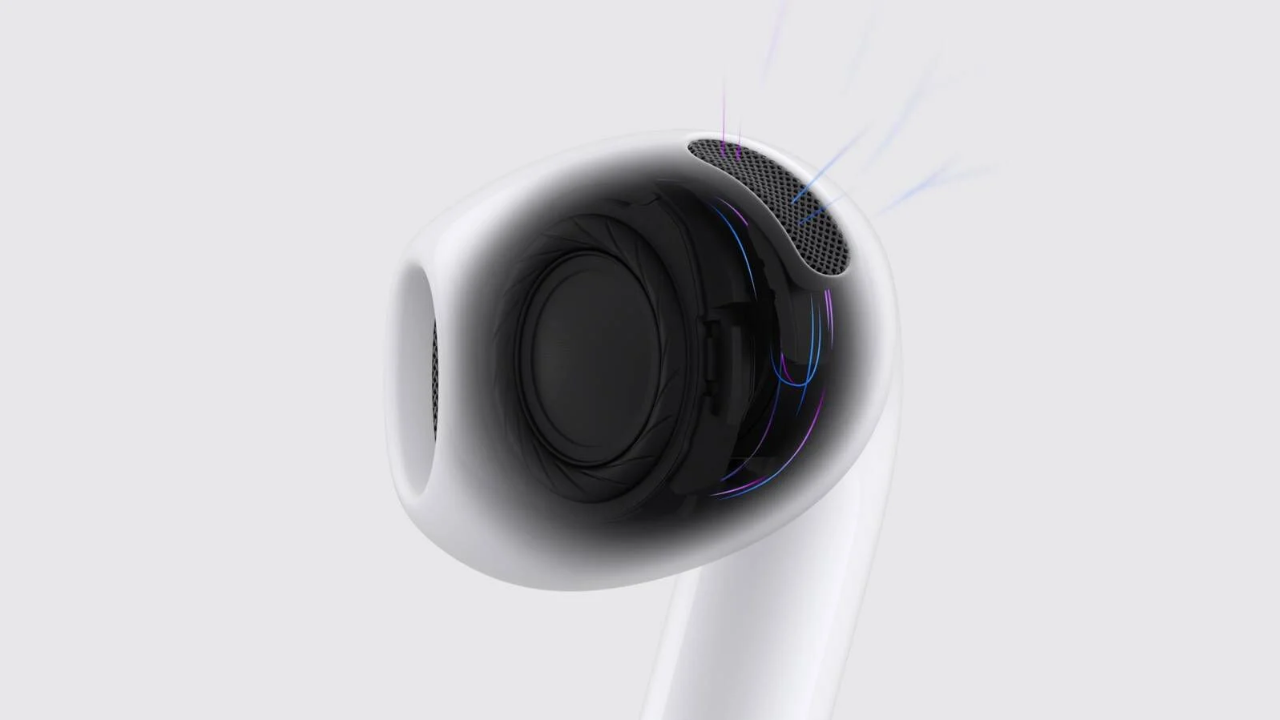
The AirPods everybody actually buys finally got the feature everybody wanted.
Active noise cancellation has finally reached Apple’s entry level earbuds. The AirPods 5 use a new multiport acoustic architecture borrowed from the AirPods Pro 3, along with next generation Adaptive EQ, and Apple claims they remove up to 50 percent more external noise than the AirPods 4 with ANC managed. That is an open ear design doing it, which is the much harder version of the problem, since there is no seal to work with. Transparency mode is improved, and Adaptive Audio and Conversation Awareness both come along.That is a real change in what $129, or Rs 14,900 here, buys you. Spend $149, or Rs 17,900, and you get the wireless charging case, a force sensor that lets you swipe the stem to change volume, which is new for this shape of earbud, and a battery good for five hours with ANC on or 22 hours with the case.Live Translation now runs on every pair in the line, which means the most affordable AirPods can also carry a conversation across languages once you have set it up in the Translate app.The AirPods go on sale on September 18. And FYI, the AirPods Pro and the AirPods Max have both got pricier too.
Every other iPhone got more expensive on the same day
Duo was supposedly the one more thing, but it very much was not. As the new phones went up, Apple revised prices across the older line, in India and everywhere else.Here is how it looks at home. The iPhone 17, which launched last year at Rs 82,900, now sits at Rs 99,900. The iPhone Air has gone from Rs 1,19,900 to Rs 1,49,900. The iPhone 17e is listed at Rs 79,900 and the iPhone 16 at Rs 89,900, which leaves the older phone costing more than the newer budget one.The US came off lighter, with every remaining model up by a flat $100, taking the iPhone 16 to $799, the 17e to $699, the 17 to $899 and the Air to $1,099.The memory shortage that has been lifting prices across the industry for months has reached Apple, and with no mid range iPhone this season, there is no way around it either. Which brings it back to where Ternus started. He described the ideal AI device, spent ninety minutes arguing the iPhone already is one, then showed a version that unfolds into a small tablet. The pitch and the product line up, which nobody could say about the last two years of Apple Intelligence. What went unsaid is that the entry price to that pitch moved up the same afternoon.
There was no iPhone 18 this year, so when is that coming out?
For the first time since the numbers started, Apple did not put out a standard iPhone alongside the Pro models. The autumn slot went to the three most expensive phones it makes and nothing else. If you are the sort of buyer who picks up the ordinary iPhone every few years, this September had nothing at all in it for you. Apple has effectively split the iPhone into two seasons, premium now and everybody else later.The reporting points to spring 2027 for the rest of the family, most likely March or April, with the standard iPhone 18, the iPhone 18e and a second generation iPhone Air turning up together. Whether that gets a full event or a press release is anyone’s guess, and Apple has confirmed none of it. The 18 and the 18e are expected to run the plain A20 and change little else, while the Air 2 is tipped to answer the complaints about the first one with a second rear camera, a bigger battery and vapour chamber cooling.What the split leaves behind is an iPhone lineup with no affordable new entry until spring, and after what just happened to the price of the old ones, that is a long wait.Also missing were the rumoured AirPods Pro with cameras, the smart home display everybody has been waiting on, and any new iPads or Macs. Apple has more dates left in the year, and now it has things to put in them.