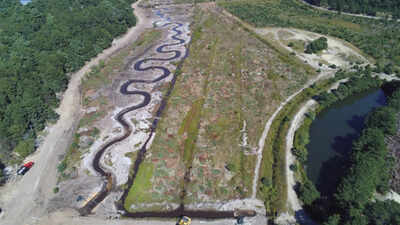
Massachusetts is restoring a former cranberry bog in Plymouth and Wareham to complete protection of Red Brook from its headwaters to salt water. The Century Bog project will turn the retired cranberry farm into a functioning wetland and stream channel, creating a more connected habitat for native species, including a rare variant of eastern brook trout known as ‘salters’ or ‘sea run brook trout’.According to Cape, Coast & Islands, the restoration is part of the Massachusetts Division of Ecological Restoration’s Cranberry Bog Restoration Program. The programme works with farmers who want to move away from cranberry farming and put their land into conservation. The effort has become more relevant as cranberry farming has declined in Southeastern Massachusetts, with farmers retiring, climate change and falling prices linked to the growth of corporate-scale farming.Century Bog is the latest addition to the Red Brook Wildlife Management Area, which is managed by the Massachusetts Division of Fish & Wildlife. Its restoration is expected to complete the protection of Red Brook, connecting the protected area from its headwaters at White Island Pond all the way to Buttermilk Bay.The project is also aimed at helping species that depend on the connected wetland and stream habitats. Jason Zimmer, Southeast District Supervisor with the Massachusetts Division of Fish & Wildlife, said the addition of Century Bog represented the “complete protection of Red Brook from the headwaters, which are actually White Island Pond, all the way to Buttermilk Bay,” he said as quoted by Cape, Coast & Islands.
Why cranberry farms are being restored
Cranberry farming was once more widespread in Southeastern Massachusetts, but the industry has changed over the years. There are fewer cranberry growers in the region than there were a decade ago.The reasons include farmers retiring, climate change and falling prices as corporate-scale farming has grown. For some farmers, however, leaving cranberry production does not necessarily mean abandoning the land.The Cranberry Bog Restoration Program offers what it describes as a ‘green exit strategy’. It works with state and federal programmes and environmental organisations to help farmers place their land into conservation.Zimmer said many cranberry growers have a strong connection to the land they have worked on for decades. “We certainly find that there’s a pretty strong environmental ethic and kind of tie to the land in cranberry growers.”“They’ve worked and cared for the land for, you know, in some of these families, decades and decades. And they want to see the land continue and be protected,” Zimmer added.That approach has allowed former cranberry farms to become opportunities for wetland restoration rather than remaining in agricultural use.
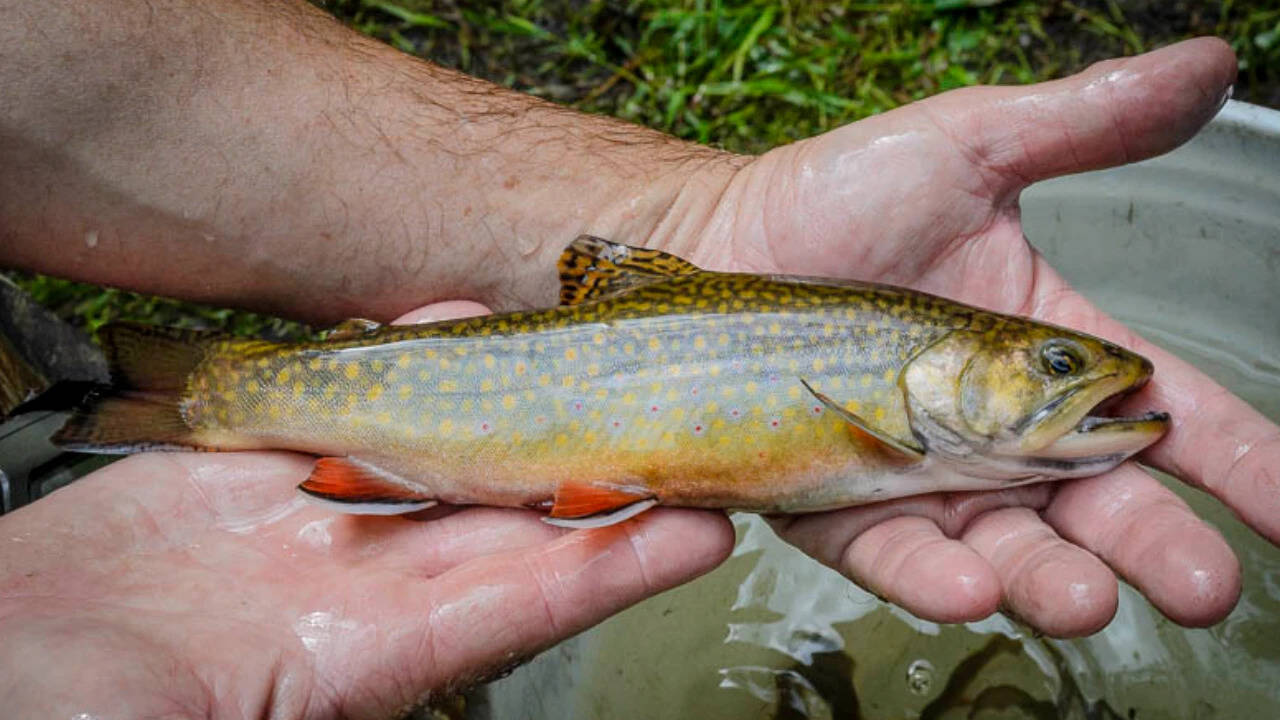
Sea-run brook trout, also known as “salters”, are among the native species set to benefit from the restored Century Bog wetland.
Century Bog to become natural wetland
Century Bog was previously a working cranberry bog. The restoration work is focused on returning the site to a natural functioning wetland and stream channel. Heavy equipment is being used as part of the process to restore the wetland habitat.For Red Brook, the importance of the project goes beyond the former cranberry farm itself. The restored area will form part of a continuous protected stretch running from the brook’s headwaters at White Island Pond to Buttermilk Bay. Zimmer said this connection was what made Century Bog significant for the wider Red Brook area.The restoration is also expected to benefit around 60 species that Massachusetts identifies as being in greatest need of conservation. These include native fish such as herring and eel, as well as the unusual brook trout variant known as “salters”.
The brook trout that enters salt water
Eastern brook trout are freshwater fish, but the “salters” found in Red Brook have a distinctive behaviour. They can move into saltwater estuaries at certain times of the year.These sea run brook trout use the saltwater environment, particularly from mid-spring through the summer. Their movement between freshwater and saltwater allows them to respond to changing conditions and use food available in the estuaries.Zimmer said the fish may leave cold-water streams when the water becomes warmer. “Because of the fact that they do have access to the saltwater environment and during certain times of the year, particularly mid-spring through the summer, they’ll go out into the saltwater environment,” he explained.He said the movement is partly linked to warming water in cold-water streams. The trout can also benefit from the food resources available in the saltwater estuaries of Buttermilk Bay.The restoration of Century Bog is therefore connected to the wider habitat used by these fish. Protecting Red Brook from its headwaters to the bay helps maintain that connection between freshwater and saltwater environments.Century Bog is one of several projects being carried out through the Cranberry Bog Restoration Program. So far, the programme has completed nine restoration projects. Together, those projects have restored more than 500 acres of wetlands and more than 10 miles of associated streams. Another 10 projects are currently in progress, in addition to the Century Bog restoration.