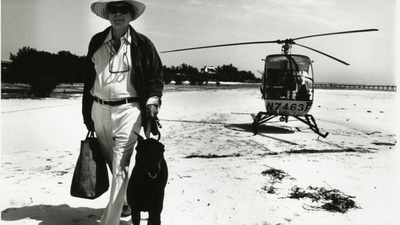
A private 14-acre island nine miles west of Key West that once hosted famous writers and Hollywood stars has officially become part of the Key West National Wildlife Refuge. The move completes a conservation effort that lasted for decades. Known as Ballast Key, the remote tropical island was bought in the early 1970s by the late property developer David Wolkowsky. For almost half a century, Wolkowsky looked after the isolated retreat. He built a three-storey main house and a separate guest house surrounded by palm trees and shallow turquoise water. The deal was made possible through a partnership between The Nature Conservancy and the US Fish and Wildlife Service, as detailed by the Miami Herald. The purchase means the last privately owned piece of land within the national wildlife sanctuary boundary is now permanently protected from commercial development.
A private sanctuary for literary legends
Over the years, Wolkowsky turned the empty island into a well-known haven for artists. Known in South Florida as “Mr Key West,” he often welcomed famous writers, musicians and performers looking for a quiet place away from public attention. One of his regular guests was playwright Tennessee Williams. During the late 1970s, Williams spent long periods on the island painting watercolours on its wooden wraparound porches. Author Truman Capote, musician Jimmy Buffett, and members of the Rockefeller and Vanderbilt families also stayed there as Wolkowsky’s guests. According to historical archives published by The Nature Conservancy, the island also appeared in popular culture. It was used as a villain’s hideout in the 1989 James Bond film Licence to Kill. Author John Gardner also included Ballast Key in the novelisation of the film. To make the remote property comfortable for his guests, Wolkowsky installed custom solar power systems and a private desalination plant. The plant turned seawater into fresh drinking water. Building materials and supplies were regularly carried across the open channel on a private barge sent from Key West.
Protecting critical wildlife habitats
Ballast Key is important not only for its cultural history but also for its place in the Florida Keys marine ecosystem. The island lies within the Great White Heron and Key West National Wildlife Refuges. It provides important nesting and feeding areas for dozens of rare bird species. Biologists from the US Fish and Wildlife Service said the island’s sandy beaches and nearby shallow tidal flats are home to nesting brown pelicans, magnificent frigatebirds, roseate spoonbills and sea turtles. The surrounding seagrass beds provide shelter for wading birds, nurse sharks and bonefish. Under the land transfer reported by the Miami Herald, The Nature Conservancy first acquired the property before transferring it to the federal government. The agreement fulfilled Wolkowsky’s stated wish that the island remain undeveloped after his death in 2018 at the age of 99. To support long-term conservation research, federal officials assigned the existing homes and other structures for administrative and scientific use. The buildings now provide accommodation for visiting marine biologists, wildlife researchers and university scholars studying climate resilience across the Florida Keys National Marine Sanctuary.
The legacy of Mr Key West
Wolkowsky’s care of Ballast Key was part of a wider commitment to historic preservation and environmental protection across Monroe County. Born in Key West in 1919, Wolkowsky spent decades restoring historic buildings in the city centre. This included turning a run-down waterfront property into the Pier House resort during the late 1960s. Local historians credit his building projects with helping change Key West from a quiet naval outpost into a global tourist destination while protecting its distinct local character. Speaking to the Miami Herald after the land transfer, representatives from The Nature Conservancy said Wolkowsky’s vision had protected the unique island environment from future resort development. The permanent addition of Ballast Key to the federal refuge system ensures that the southernmost piece of privately owned land in the contiguous United States will remain a protected wilderness area for the future.