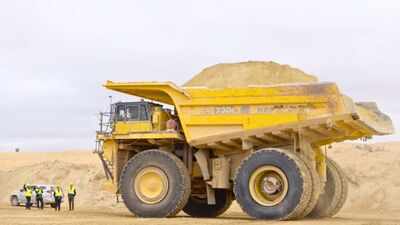
A phosphate mine in Morocco has tested a haul-road pavement made entirely from waste rock produced during phosphate extraction, according to the study. Researchers examined whether the material could withstand the extreme loads created by mining trucks while also reducing dust from the road surface. They designed a three-layer pavement using crushed phosphate mine waste rock and phosphated flint.According to the research published in Mining, titled ‘Innovative Pavement Design for Heavy-Haul Mining Roads Using Phosphate Mine Waste Rock: Dust Emission Control, Mechanical and Operational Performance Improvements’, the pavement included a 0.35-metre sub-base, a 0.25-metre base and a 0.07-metre asphalt wearing course.
How did the Moroccan mine build a heavy-truck road from phosphate waste rock
Researchers designed the pavement for a heavily trafficked haul road at the Benguerir phosphate mine. The road carries about 22.35 kilotonnes of material each day and is used by large mining trucks. The proposed structure had three layers. The sub-base was 0.35 metres thick and used crushed phosphate mine waste rock graded from 0 to 100 millimetres.The 0.25-metre base layer was made from 0 to 63-millimetre crushed screening waste rock. The surface layer was a 0.07-metre BBSG 0-20 millimetre wearing course made with phosphated flint aggregates and modified bitumen. The pavement was designed to withstand permanent deformation and structural rutting under heavy loads while controlling dust and keeping construction costs economically viable at Benguerir.
PC: Journal Mining
How did the pavement perform under heavy mining traffic
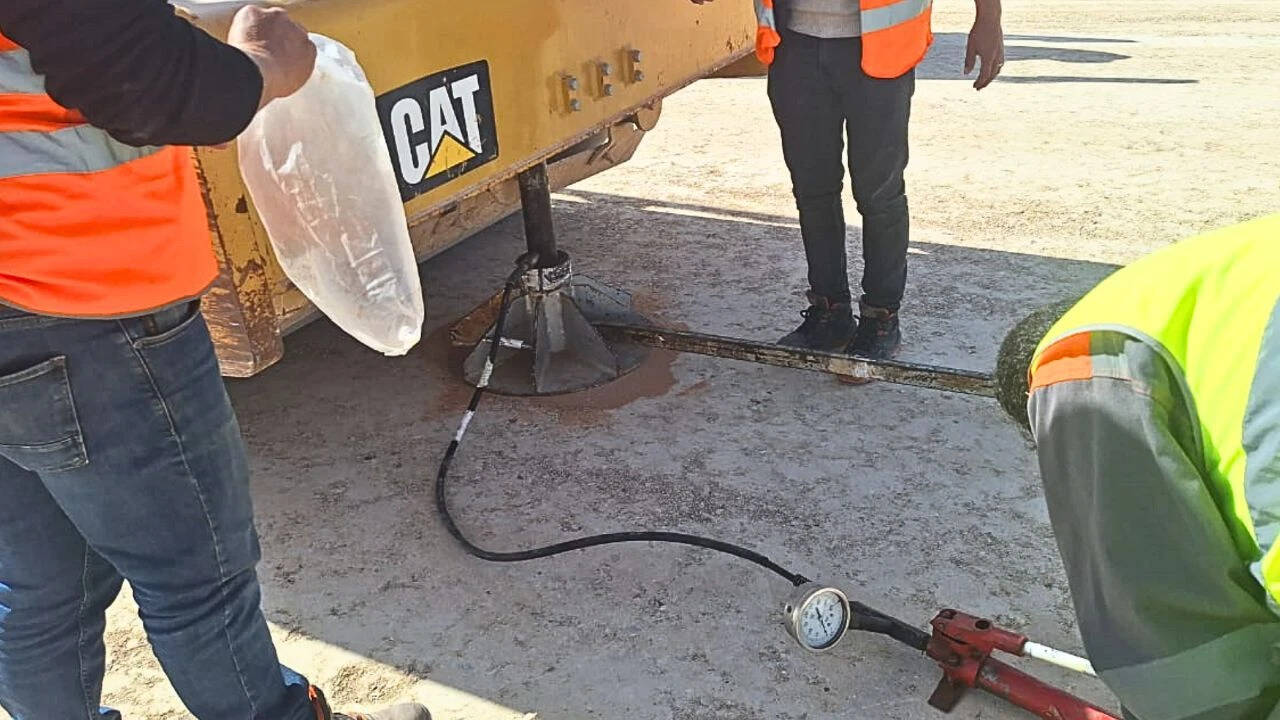
Laboratory tests were used to assess whether the proposed materials could withstand heavy mining traffic. The asphalt mixture was tested at three bitumen contents: 4.9%, 5.1%, and 5.3%. At 5.1%, the mixture reached its selected balance of mechanical and volumetric performance. It recorded a stiffness modulus of 9160 MPa and fatigue resistance of 139.6 microstrains at failure.Its proportional rut depth was 2.2%. Its apparent bulk density was 2.48 tonnes per cubic metre. Field testing then examined the bearing capacity of the compacted pavement layers. The sub-base recorded an average EV2 value of 153 MPa. The base reached 181 MPa. These measurements confirmed the load-bearing capacity recorded in the experimental pavement.
The new haul-road surface reduced dust and improved visibility
The field trial also measured dust before and after the pavement was constructed. Measurements covered PM2.5 and PM10 at two locations along the experimental haul road. The unpaved section represented the mine’s existing practice, which included daily watering and routine grading. Its average dust concentration reached 91,730.16 micrograms per cubic metre. After the full pavement structure was installed, the asphalt-treated section recorded an average concentration of 8570.10 micrograms per cubic metre.The study calculated a reduction of about 91%. This exceeded OCP Group’s target of reducing airborne dust emissions by more than 80%. The researchers also reported a smoother and more stable road surface after paving, with improved visibility and reduced surface roughness during truck operations.
How did the paved road affect mining productivity and maintenance
The proposed pavement was estimated to cost about €23.97 per square metre for the experimental section. The calculation included the required construction work and a 25% allowance for bulking and wastage. The study assumed the crushing unit would be within 5 kilometres of the works and the asphalt plant within 25 kilometres. After 15 months of continuous operation under actual mining traffic, an internal assessment by OCP indicated that wider use could produce an estimated annual productivity gain of about 15%.The study linked the expected gains to higher truck speeds, fewer spare-part replacements, including tyres and wheel motors, longer fleet service life and less daily haul-road maintenance.