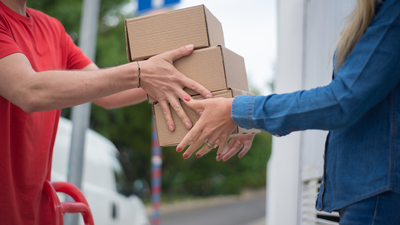
Your parcel arrived in 10 minutes. Your excitement lasted only five. And, the cardboard box and paper bag it arrived in, remained for much longer.This is the strange afterlife of online shopping. A late-night craving becomes a quick-commerce order. A “limited-time” sale becomes a new outfit. And an item gets added to the cart because you are only ₹20 short of free delivery. Over time, our shopping habits begin to reveal themselves not through bank statements, but through the pile of boxes, bags and packaging collecting at our home.Quick commerce has made shopping almost frictionless. Groceries, toiletries, stationery and snacks can arrive at our doorstep before we have had enough time to reconsider whether we even needed them in the first place. And with smaller, more frequent orders comes more packaging: cardboard, paper, plastic, tape and protective material.But not everything in that pile needs to go straight into the bin. Clean and sturdy packaging can be reused, repurposed or even sold. For households looking to make a little money from what would otherwise become waste, here are some ways to give delivery packaging a second life.
Sell packaging to small businesses
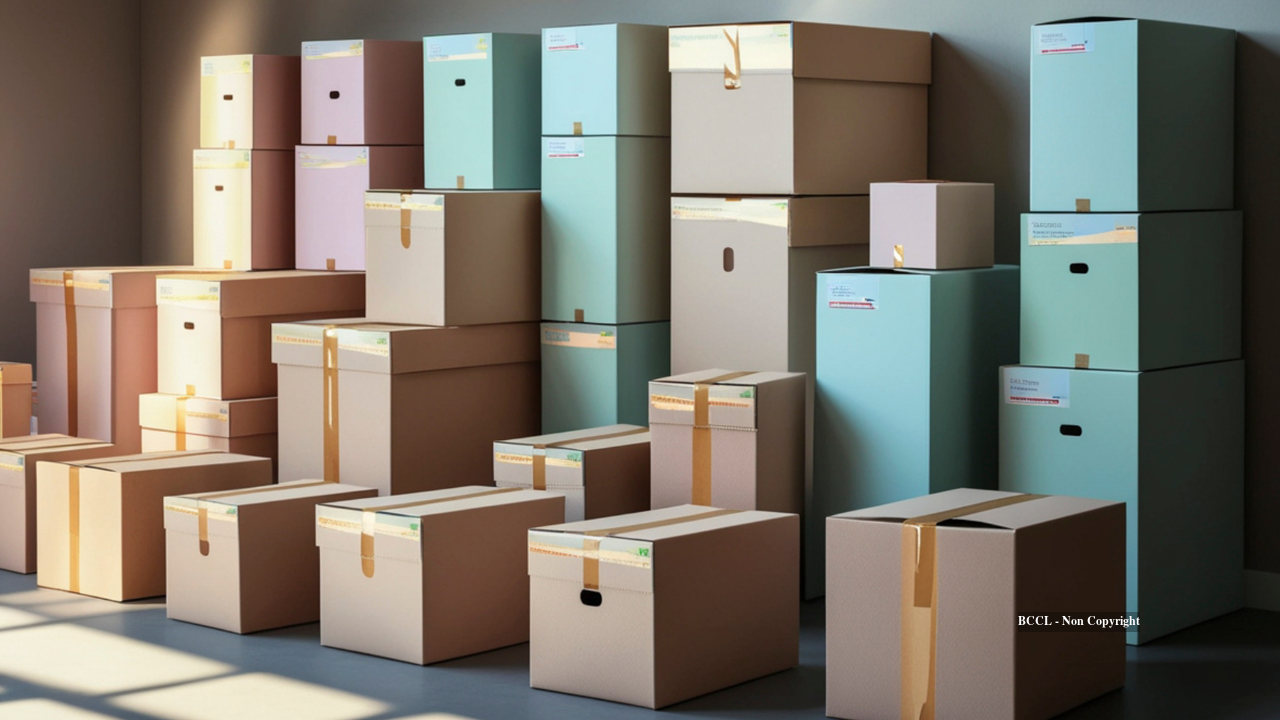
Sell cardboard boxes to small business for packaging
A cardboard box that is useless to you may be exactly what a home baker or small online seller needs.Small businesses, particularly home bakers, thrift stores, jewellery sellers and gift businesses, often need boxes, paper bags, tissue paper, wrapping material and filler. Buying these supplies in bulk can be expensive, particularly for businesses that are still starting out.Instead of selling individual boxes, collect and sort them into bundles. A small-business packaging bundle could contain clean boxes, paper bags, tissue paper, ribbons and recycled filler. The value lies not just in the material, but in having everything sorted and ready to use.Apartment complexes could take this a step further by collecting packaging from several households and selling it together to local businesses.
Turn them into moving and storage supplies
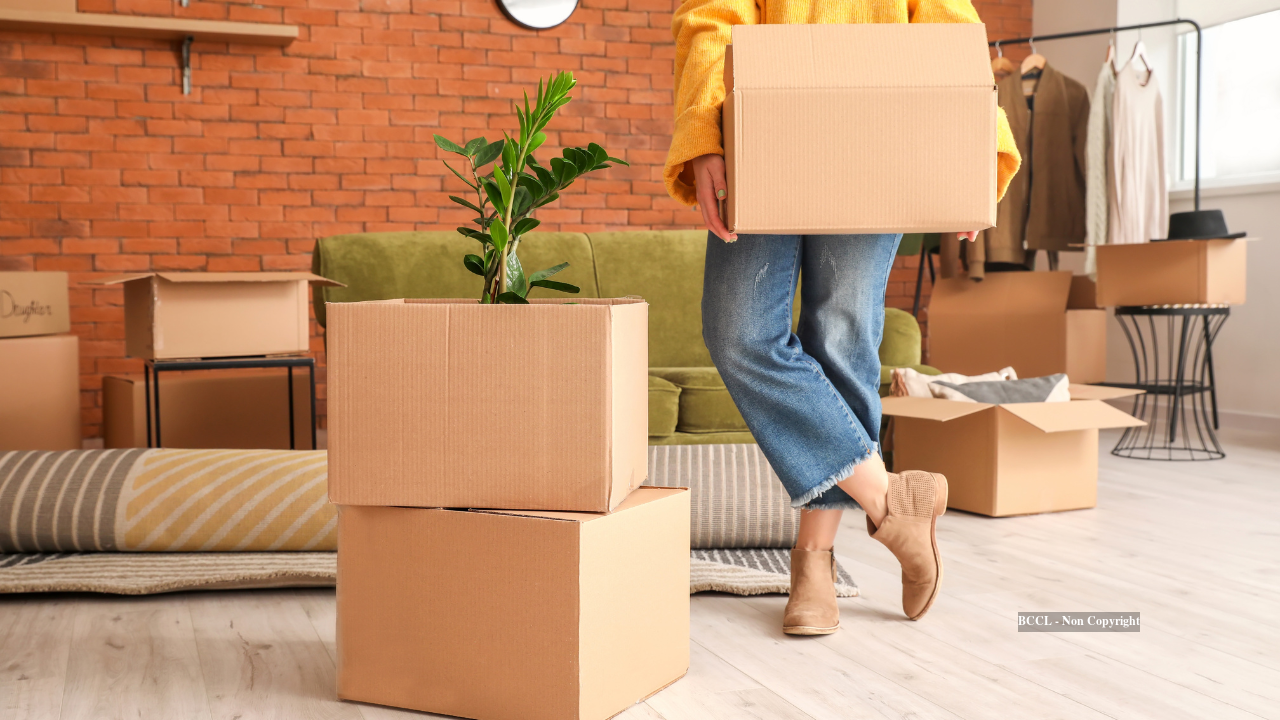
Turn cardboard boxes into moving and storage supplies
Moving house is one of those occasions when you can just not have enough boxes.The same applies to sending parcels, storing seasonal clothes or packing items for a relocation. Rather than buying new cardboard boxes and cushioning material, people may be willing to pay for a ready-to-use collection of reused supplies.You could bundle different sizes of boxes with paper filler, labels, string and other usable packing material. These can be sold through apartment WhatsApp groups, neighbourhood communities or online marketplaces.Again, the product is not really an old delivery box. It is the convenience of not having to source it from someplace. Someone is paying to avoid spending an afternoon hunting for appropriately sized boxes.
Sell sorted cardboard and paper as scrap
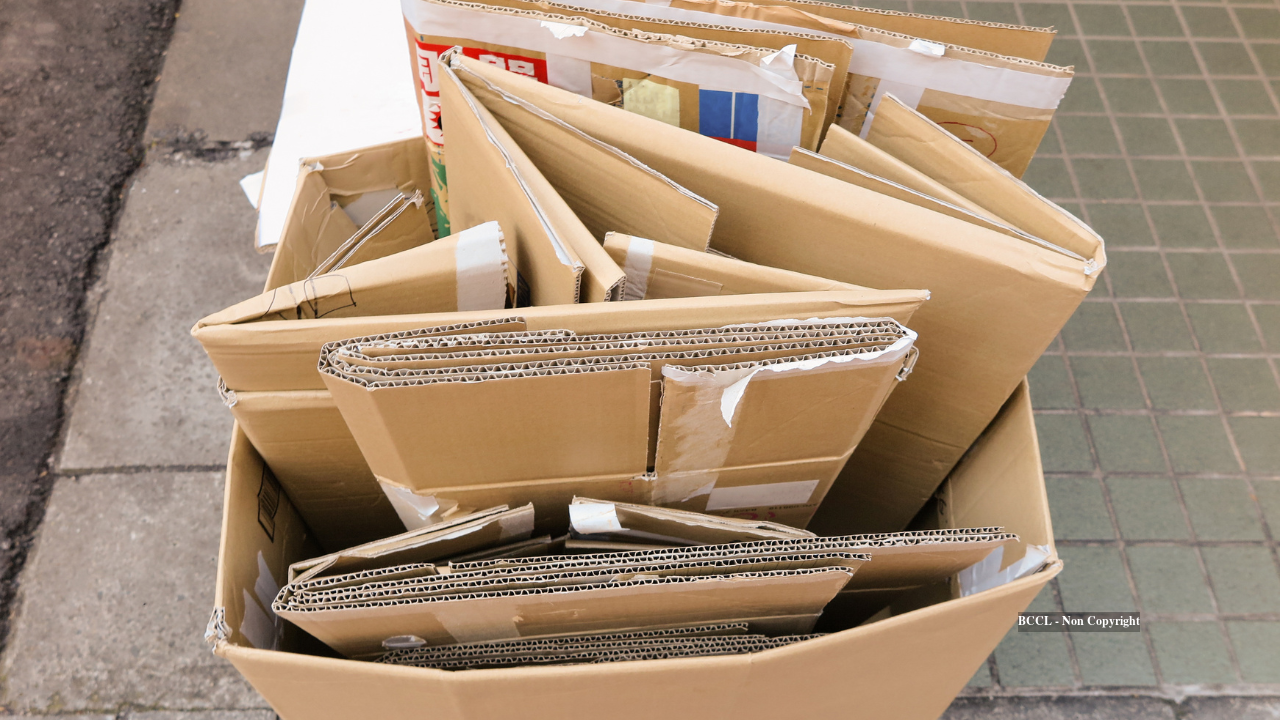
Sell sorted cardboard and paper as scrap for money
The simplest way to make money from delivery waste is also the least glamorous: sell it as scrap.Flatten cardboard boxes, remove plastic tape and separate cardboard from paper bags, plastic pouches and thermocol. Keep recyclable material dry and free from food stains.One household may not accumulate enough to make a meaningful amount of money. But an apartment complex can collect a substantial volume over time. Residents can keep separate bins for cardboard and paper and sell the material to a local scrap dealer or recycling service.The money could go towards community gardening, repairs or even a small residents’ event.
Make organisers for the home
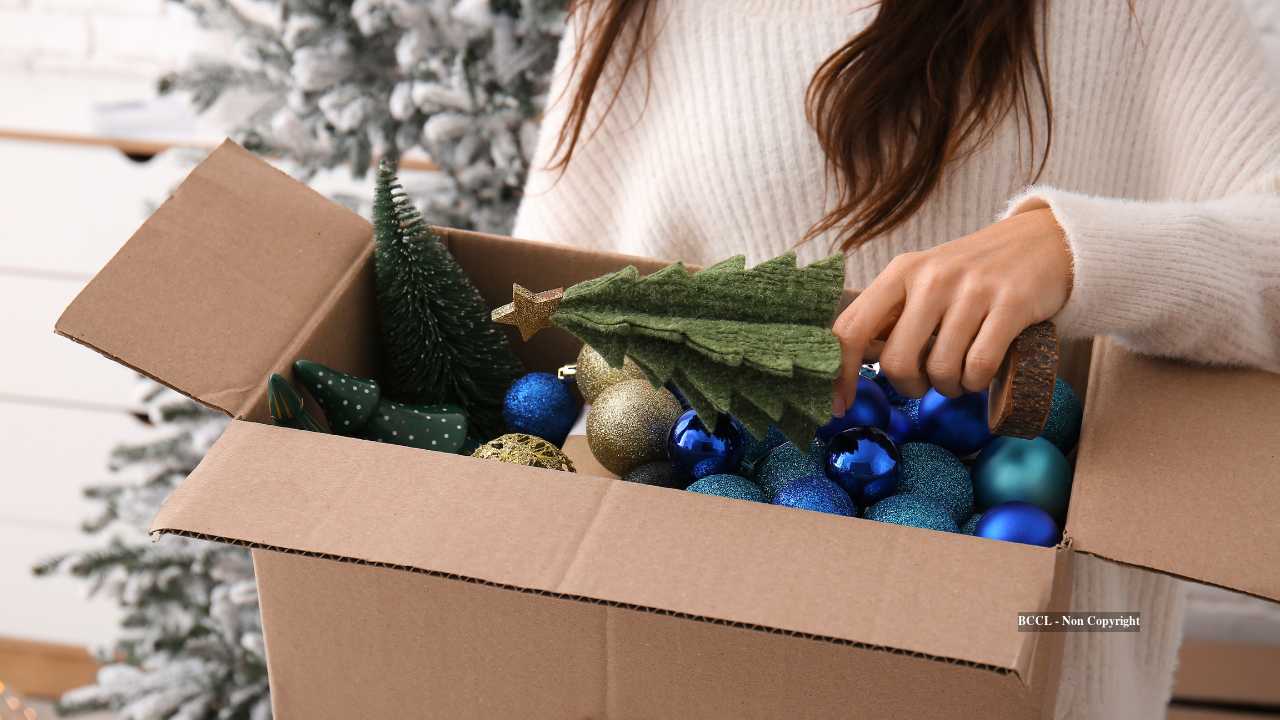
Use cardboard boxes for organising things at your home
Before throwing out a sturdy box, look around the house for something that needs organising.Cardboard can be turned into drawer dividers, desk organisers, book holders, cable boxes and storage trays. Cover it with leftover wallpaper, fabric scraps, old newspapers or handmade paper for a more finished look.If you want to sell these products, solve a specific problem rather than simply decorating a box. A customised kitchen-drawer organiser or a compact cable holder is more useful than a generic cardboard storage box.You can even make them to order. Ask customers for the dimensions of a shelf, drawer or cupboard and create an organiser that fits it exactly. The price can account for the material, design and labour.
Create activity kits for children
Delivery boxes can also become raw material for children’s activities.Sturdy cardboard and paper bags can be transformed into puzzles, puppets, flashcards, board games and storytelling props. A more elaborate kit could help children build a miniature city, theatre set or neighbourhood, with pre-cut cardboard pieces, colouring sheets, instructions and character cards.There is room to make these kits distinctly Indian, too. Think of a Mumbai railway station, a Delhi market or an imaginary Indian village rather than another generic cardboard house.However, this is one area where cleanliness matters. Do not reuse packaging that has carried leaking food, chemicals, raw meat or strongly scented products for children’s products.
The point is not to shop more
There is, however, one uncomfortable catch: finding ways to reuse delivery waste should not become an excuse to order more.The more important question is still why the order was placed in the first place.But once a purchase has been made, the packaging does not magically disappear when the product comes out. It remains material, with a cost attached to it and, potentially, another use waiting for it.