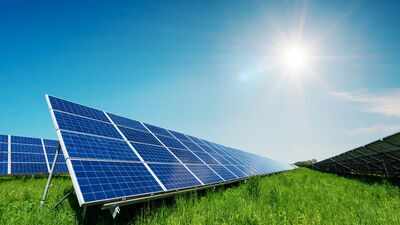
A Massachusetts dairy farmer once considered selling an awkward, hard-to-farm patch of his property to Walmart. Instead, he turned the 11-acre slice into a solar field that now provides a steady lease income, while rooftop panels have nearly wiped out the farm’s $1,400 monthly electricity bill. The story was told by John Nagy in Notre Dame Magazine in ‘The Sun Farmers’, a feature also republished by the Let’s Share the Sun Foundation. It follows George Hunt Jr., whose decision to combine farming with solar power created a new source of income without giving up the land. His experience shows how a property that seemed unsuitable for crops could still contribute to the farm, the local energy supply and the family’s long-term plans. Read on to know more about it here:
A difficult piece of farmland
Hunt’s farm was a working dairy operation, with hundreds of acres and a herd of about 250 cows. Like many dairy farmers, he had to balance the costs of running the farm against the uncertain returns from milk. He also wanted to leave his children a business that could support a decent quality of life without requiring them to milk an enormous herd every day.One part of the property presented a different kind of challenge. The 11-acre plot was levelled land that was difficult to farm. According to Nagy’s account, Hunt considered selling it to Walmart, which was interested in the site. The retailer’s offer could have turned the unproductive parcel into a straightforward financial gain.But Hunt began to see another possibility. Solar panels could make use of land that was not well suited to growing crops, while allowing the farm to retain ownership. Rather than sell the site outright, he could lease it to a solar developer and earn regular income from the land.The decision did not happen in isolation. Massachusetts had created incentives for solar power, including renewable energy credits, and the state’s solar programme had targets that encouraged development. Those policies helped make solar a viable option for farmers and other landowners.
The value of solar on the barn
Representative image
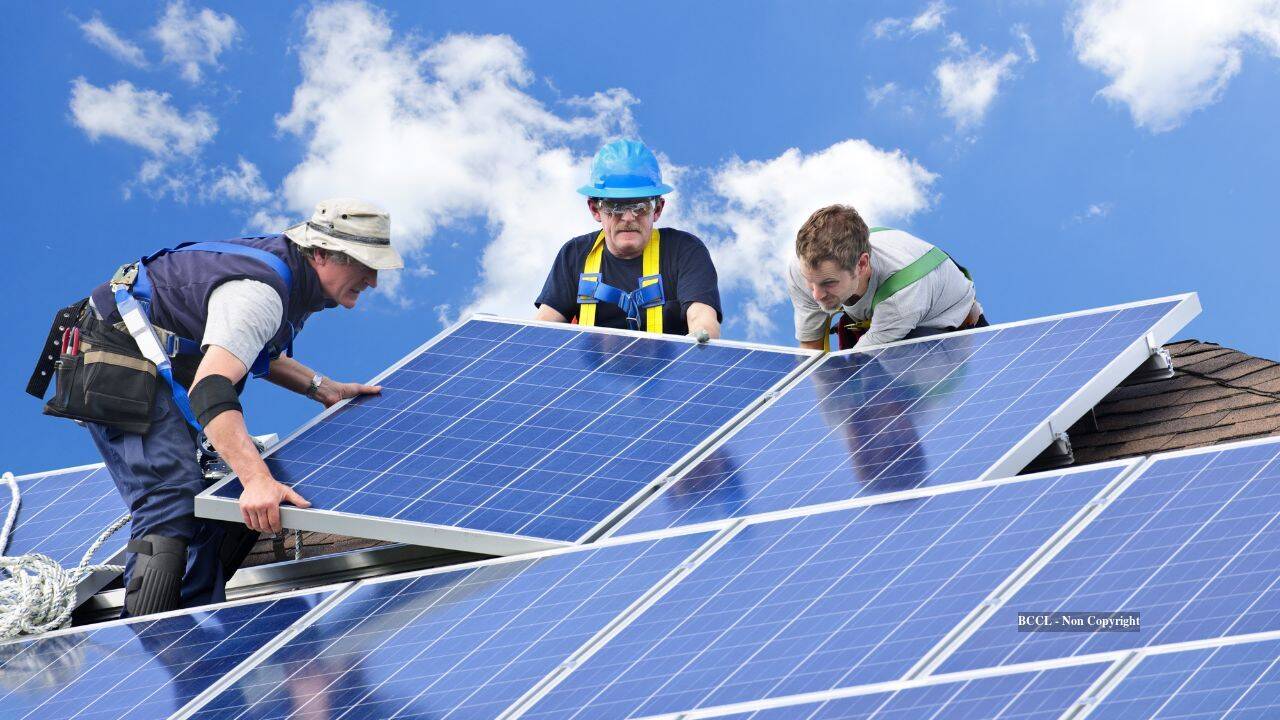
Before committing to a larger project, Hunt had already installed solar panels on the roof of his barn. The array supplied power for many of the farm’s daily needs, including pumping water, cooling milk, operating milking equipment and running lights.When writer Nagy visited in 2015, he shared in his article that Hunt said the rooftop system had almost eliminated the farm’s monthly electricity bill of about $1,400. It also generated a small refund during much of the year for electricity sent back to the grid. For a dairy farm with substantial energy needs, reducing a major monthly expense offered a practical benefit beyond the environmental appeal of renewable power.The rooftop system gave Hunt confidence to consider a much larger solar project. If panels could help manage the farm’s own electricity costs, a ground-mounted array could make productive use of the land that had little value for conventional farming.Hunt’s experience also highlights the importance of careful advice when navigating a complicated industry. The feature describes solar consultant Bill Jordan reviewing an earlier contract and helping Hunt identify a federal grant that had been overlooked. Hunt offered to pay Jordan for the work, but Jordan returned the check after the original contractor said it would prepare the grant application.
Leasing land to harvest sunshine
Hunt eventually chose solar over selling the awkward parcel to Walmart. The 11-acre site became part of a 3-megawatt solar array that supplied electricity to the city of Lowell, Massachusetts, according to Nagy’s report.The arrangement gave Hunt a land-lease payment of $1,000 a week. While the income was reportedly less than the amount Walmart had offered to buy the land, it provided a recurring return while Hunt kept ownership of the property. The farmer described himself as pleased with the decision and came to see himself as a “sun farmer,” as per the report.That phrase captures the unusual way the project fit into the farm. Hunt continued to raise cows, produce milk and manage the agricultural business, but the leased land created another kind of harvest. Instead of crops, the field produced electricity, while the lease payment supported the farm’s finances.Solar also created opportunities beyond the main array. Hunt was considering additional panels for other buildings on the property, including a structure used as an indoor sports arena. The electricity could serve tenants at a nearby restaurant and help reduce their energy costs.
A different kind of farm income
The solar lease was particularly valuable because dairy income could fluctuate. As per the report, Hunt told Nagy that farmers might receive a good price for milk only every few years, making it important to find other sources of revenue. His farm already diversified through activities such as selling firewood and hay and investing in local real estate.The solar project added another layer to that approach. It did not replace dairy farming, but gave Hunt a reliable income stream from land that was difficult to use for crops. The rooftop panels, meanwhile, reduced the farm’s operating expenses by addressing one of its largest utility costs.That combination matters. A lease payment can help with income, but avoiding a recurring electricity bill can be just as useful to a business that operates equipment every day. The systems addressed two separate financial pressures: one through revenue from the leased field and the other through lower power costs.Hunt also helped connect other farmers with Jordan, passing along the names of 25 or 30 people interested in solar. The feature notes that successful referrals brought him a small commission. His experience had become a practical example for other landowners weighing whether solar could fit their operations.
Keeping the land in the family
For Hunt, the choice was not simply between Walmart and solar panels. It was about how to make a difficult piece of land work for the farm’s future. Selling would have provided an immediate payment, but leasing the land created recurring income and allowed the family to retain ownership.The rooftop installation also helped make the wider farm more financially resilient. By reducing an electricity bill of about $1,400 a month to almost nothing, the system freed up money that would otherwise have gone to power costs. The 11-acre field added a separate weekly lease payment, giving the farm a second benefit from solar.Hunt’s story offers a grounded example of how renewable energy can fit into an existing business. It did not require him to stop farming or convert the whole property. Instead, the panels occupied land that was hard to farm and helped power homes, businesses and municipal operations elsewhere.A patch of land once considered for a big-box store became part of a local energy project. Hunt kept his farm, gained a weekly lease payment and cut a major monthly expense. In a business where margins can be tight and conditions change from year to year, the sun became another crop worth cultivating.