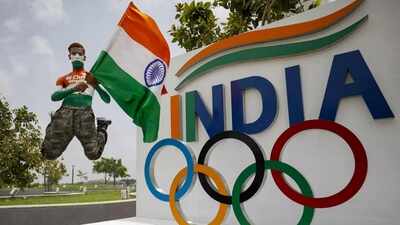
NEW DELHI: The International Olympic Committee (IOC) has confirmed seven interested parties for the 2036 Summer Olympics: India, Germany, Qatar, South Korea, South Africa, Türkiye and Hungary. With the process currently at the dialogue stage, the bids will be shortlisted in March 2027, preferred hosts will be identified in December 2028, and the host will be announced in mid-2029.Germany’s candidate is Munich; South Korea’s project is associated with Jeonju and Jeonbuk, as well as Seoul; Qatar’s is centred on Doha; and South Africa is considering a multi-city or nationwide model. Hungary has designated Budapest as its central venue, while Türkiye is planning to host the 2036 Summer Olympics in Istanbul and India in Ahmedabad.
South Korea
South Korea is no stranger to hosting the Olympics. Seoul hosted the 1988 Summer Olympics, a landmark event in the country’s emergence on the international stage. PyeongChang hosted the 2018 Winter Olympics, giving the country experience of hosting both the Summer and Winter Games.What is South Korea’s 2036 project?
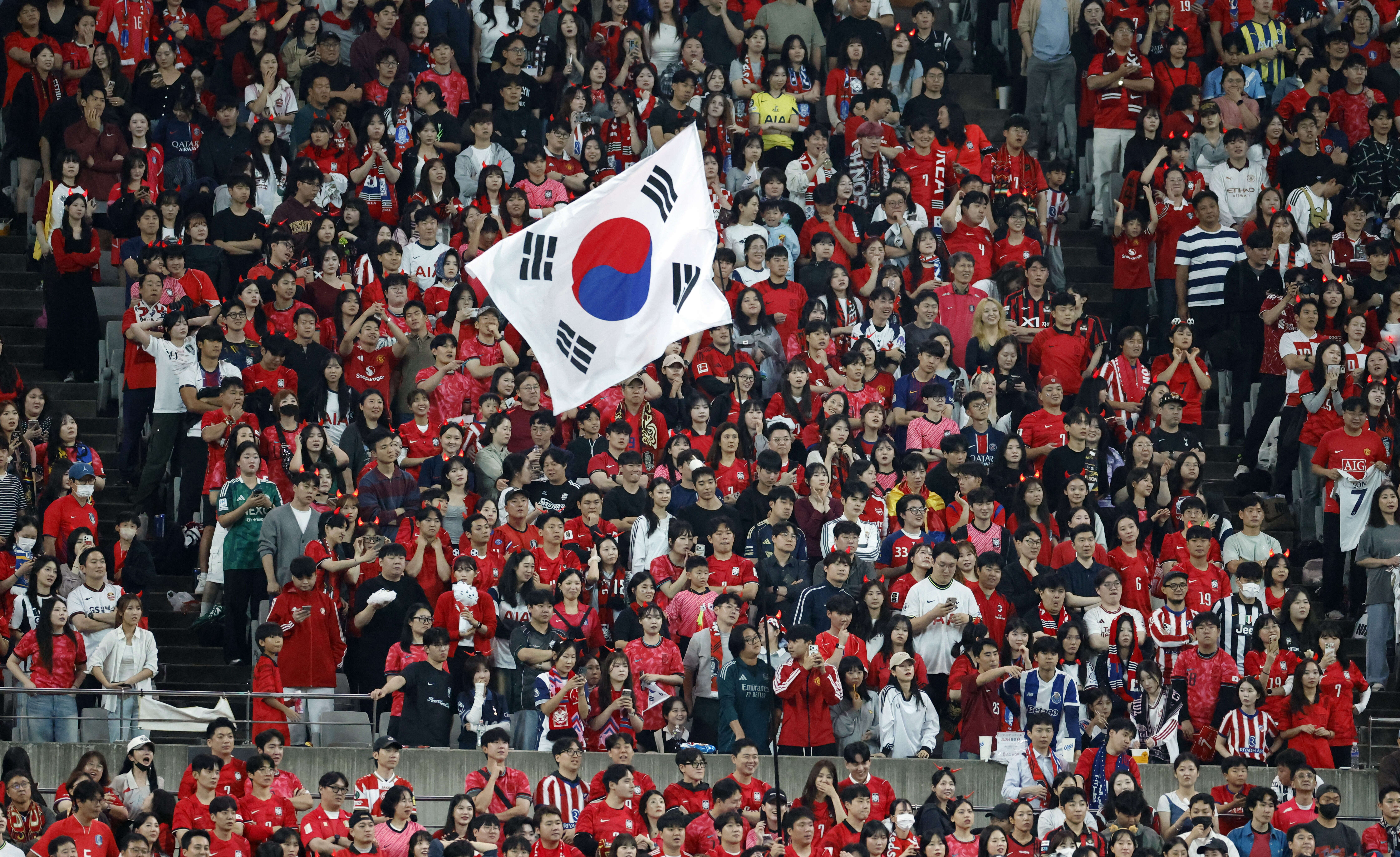
Seoul, South Korea has hosted the Olympics before in 1988. (Reuters)
The domestic selection process produced a significant change in direction. The Korean Sport & Olympic Committee selected Jeonbuk (North Jeolla Province), with Jeonju as its focal city, as the country’s domestic candidate. The wider discussion has also involved Seoul, which has its own infrastructure and Olympic legacy.Jeonbuk has been pushing an Olympic plan that uses venues across the province and other Korean cities, while Seoul’s supporters have argued that its existing facilities and transport infrastructure make it a more credible option.The regional approach could distribute the benefits of the Games beyond the capital. It also raises a practical question: how will the country present a single, coherent proposal to the IOC when different domestic stakeholders have championed different hosting models?What should Ahmedabad learn from South Korea?South Korea’s advantage is its proven experience in delivering the Olympics. Ahmedabad, by contrast, is building its case around the 2030 Commonwealth Games and the possibility of using the Olympics to transform India’s sporting ecosystem.The comparison, therefore, is not simply about how many stadiums each city has. It is about whether Ahmedabad can offer the IOC an equally convincing account of how the venues will work, how athletes will move between them, and what will remain after the Games.
Qatar
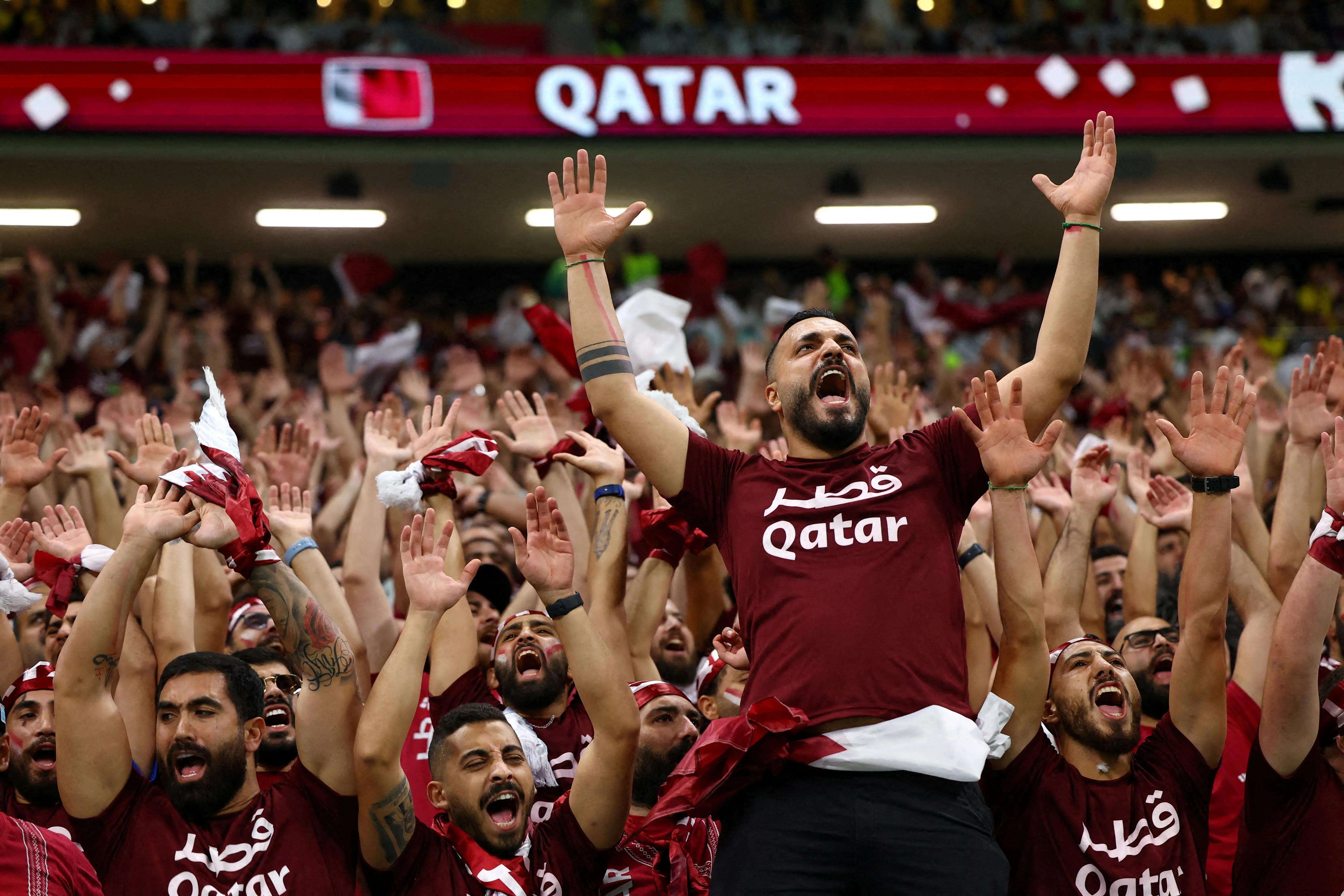
Qatar showcased its abilities by hosting the 2022 FIFA World Cup. (Reuters)
Qatar is selling accumulated investment and operational readiness. Rather than making the Olympics the starting point for a major infrastructure build-out, it wants to demonstrate that much of the necessary infrastructure is already in place.Doha previously sought to host the Summer Olympics in 2016 and 2020 but failed to reach the final stage of either selection process. The 2016 project was rejected at the applicant stage, while the 2020 campaign did not make the final group of candidate cities.Since then, Qatar has substantially expanded its major-event credentials. Its record includes:– The 2022 FIFA World Cup.– The 2023 AFC Asian Cup.– The 2024 World Aquatics Championships.– The 2030 Asian Games, which Qatar is scheduled to host.This record gives Qatar something that a first-time Olympic host cannot easily replicate: experience in managing a major-event ecosystem, including stadiums, accommodation, transport, broadcasting and international sporting operations.What is Qatar’s 2036 project?
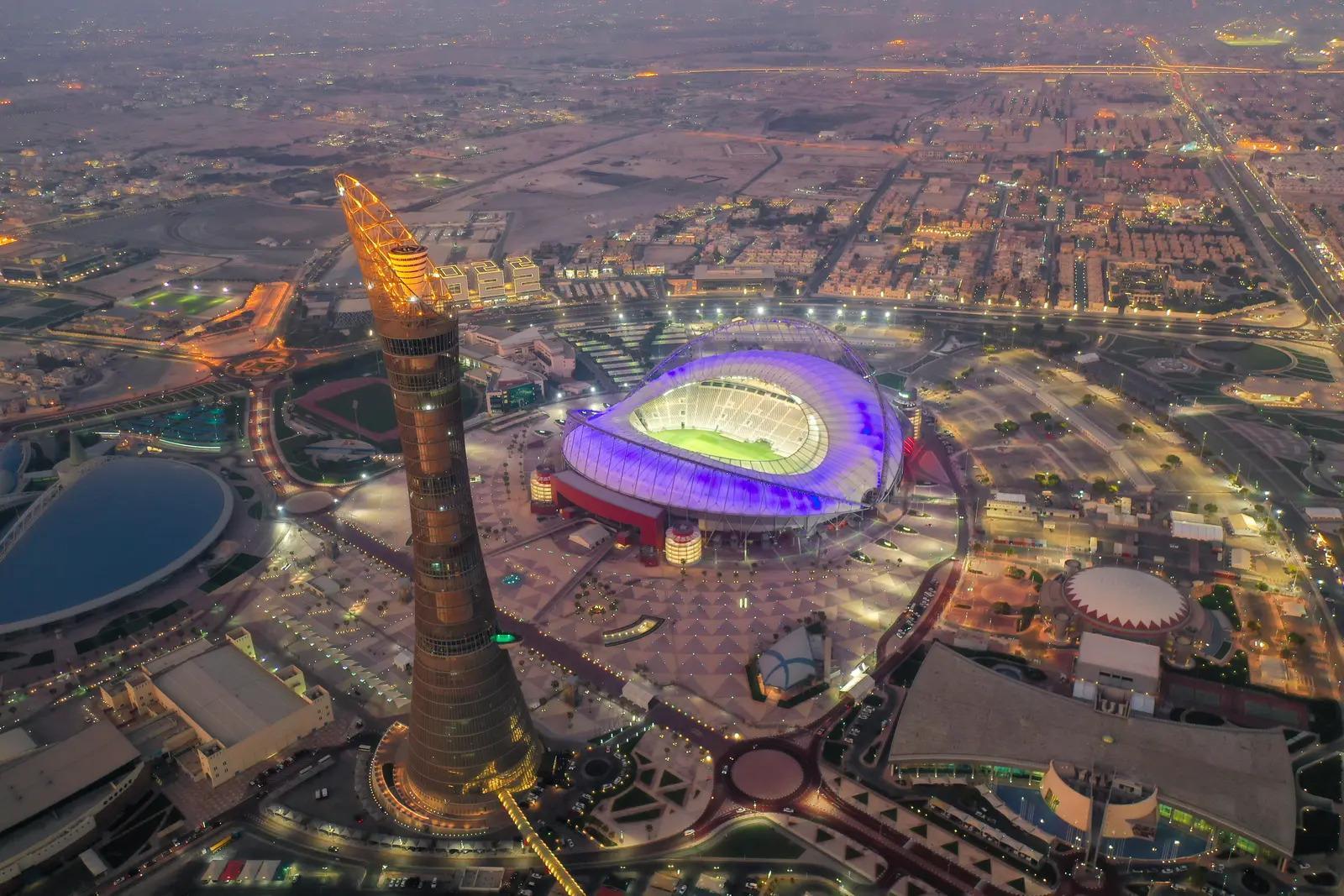
A view of the Khalifa International Stadium in Qatar.
Qatar’s pitch is centred on Doha and the wider metropolitan area, with Lusail and Al Rayyan among the locations relevant to its existing sports infrastructure.The Qatar Olympic Committee has said that approximately 95% of the required sports infrastructure is already available. The final project will still need to establish the suitability of venues, their capacity, operating arrangements and any gaps that must be addressed.Its approach is tied to Qatar National Vision 2030, with an emphasis on sustainability, inclusion, legacy and limiting unnecessary construction. The country is also looking to build on the facilities and experience developed for the 2022 World Cup.One important complication is the calendar. Doha’s summer temperatures could make a conventional July-August Olympics difficult. Qatar’s 2022 World Cup was moved to November and December because of the heat, and a Summer Olympics in Qatar would face a comparable question about competition conditions and scheduling.What should Ahmedabad learn from Qatar?
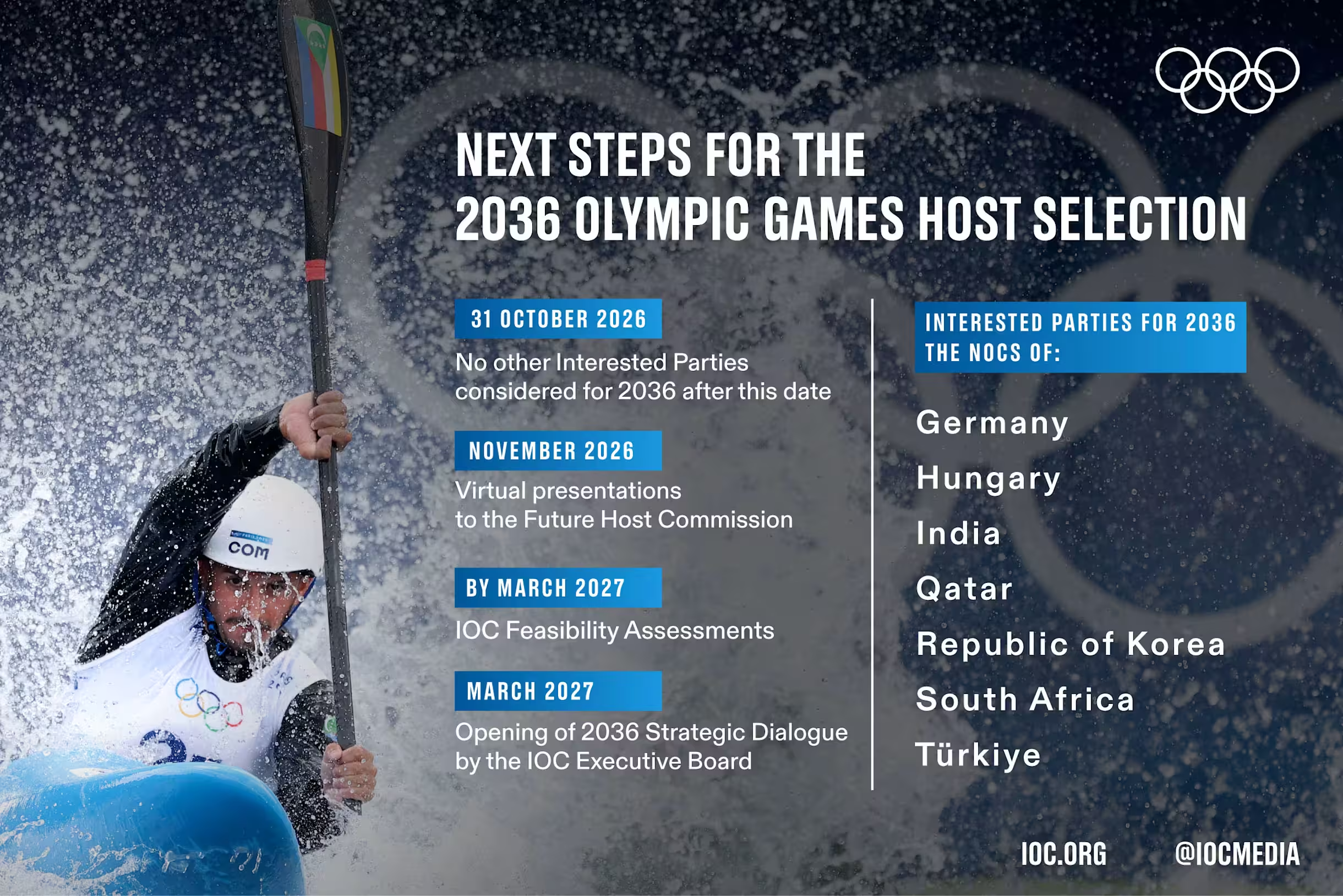
How the 2036 Olympics host selection process will work. (Image: IOC)
Qatar sets the benchmark for infrastructure readiness and delivery experience. Its challenge is not whether it can build major sports facilities, but whether it can make the case for a Summer Olympics that meets athletes’ needs, accounts for the climate and delivers an enduring public legacy.Ahmedabad can counter with a different argument: hosting would accelerate the development of a sports ecosystem in a country with a vast population and a large potential athlete base. However, the Indian proposal will need to be precise about which facilities already exist, which are planned and how each investment will be used after 2036.Qatar’s experience also offers a warning for India: successfully delivering one mega-event does not, by itself, settle questions about long-term legacy, sustainability or international scrutiny.
Munich, Germany
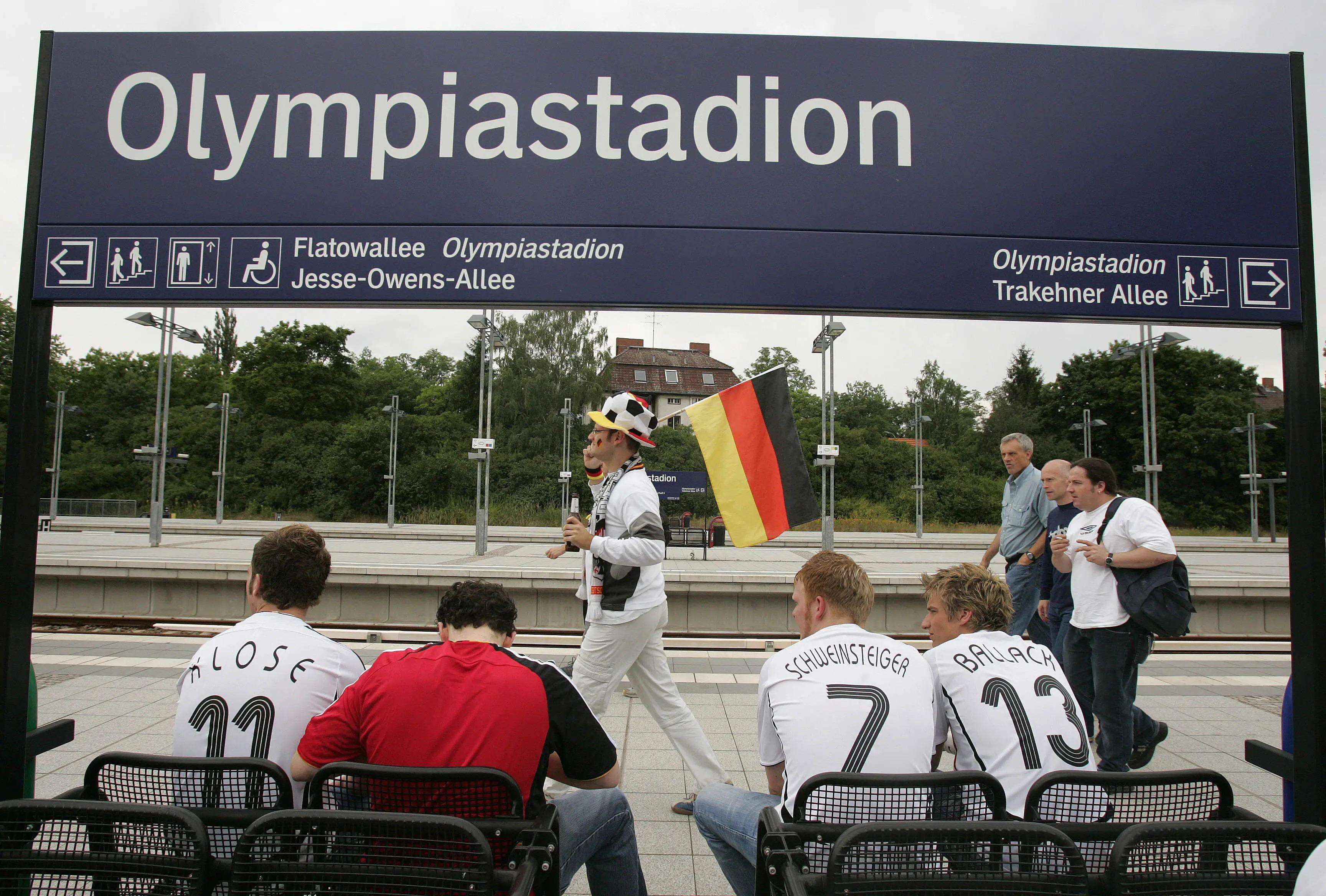
Munich had hosted the 1972 Summer Olympics. The 2036 Games will mark 100 years since Berlin hosted the controversial ‘Nazi Games’. (AP)
Munich, which hosted the 1972 Games, wants to show that a modern Olympics need not be a giant construction project. Its proposition centres on existing venues, short distances, a familiar Olympic setting and the conversion of Games infrastructure into long-term public assets.The year 2036 has particular significance: it would fall exactly 100 years after the Berlin Games, which the Nazi regime exploited for propaganda. This gives Germany an opportunity to frame the event around democratic values and a very different modern identity, but it also makes the anniversary politically sensitive.Germany’s domestic selection process was competitive. Munich defeated Cologne-Rhine-Ruhr in the German Olympic Sports Confederation’s selection, winning by 90 votes to 51. Hamburg’s earlier plans had been rejected in a referendum, while Berlin withdrew its proposal. Munich was eventually selected as Germany’s candidate for the 2036, 2040 or 2044 Games.What is Munich’s 2036 project?
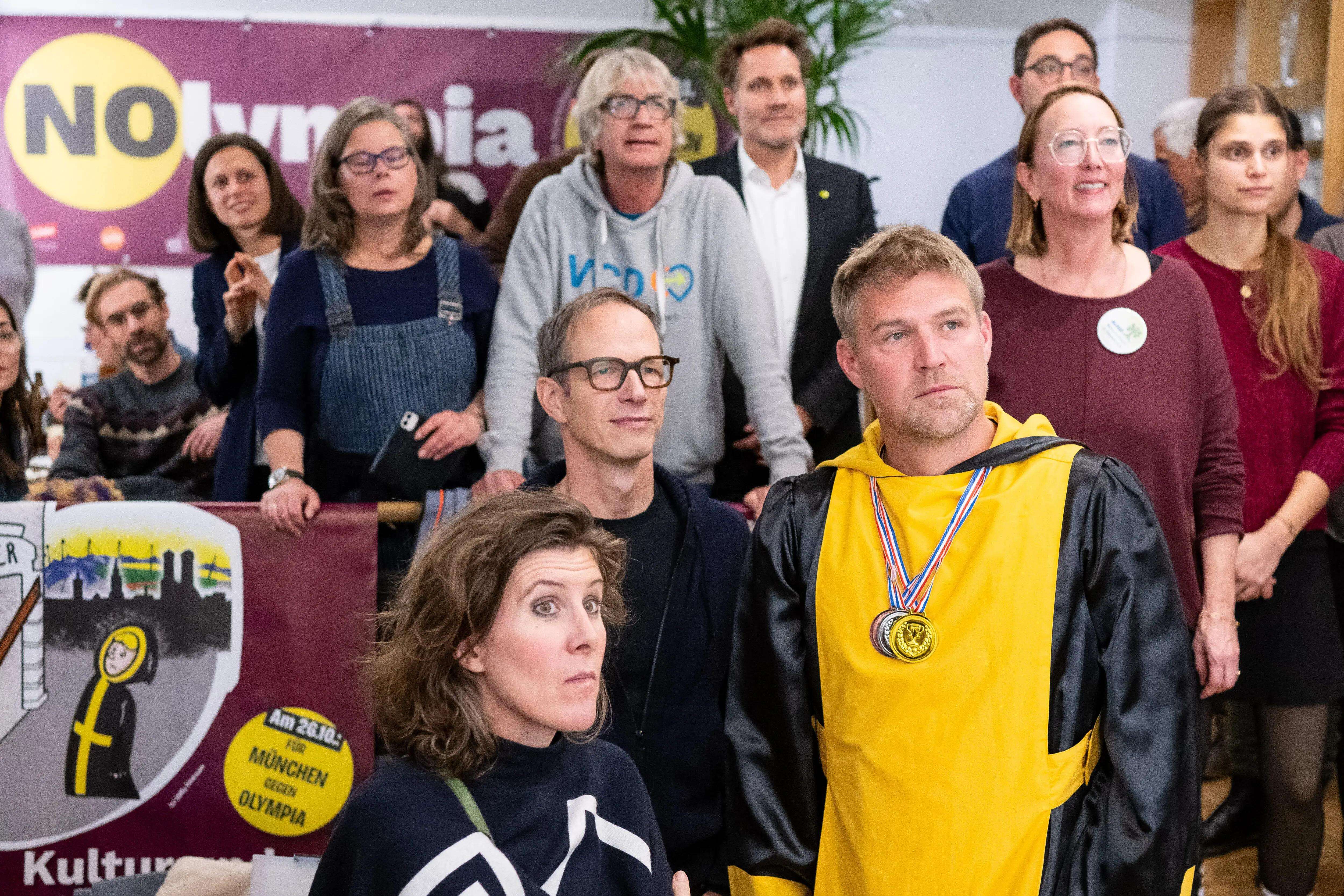
Munich enjoys the support of its locals in its 2036 Olympics bid. (AP)
The German Olympic Sports Confederation’s official concept, Munich for Germany, has several distinguishing features:– Existing facilities: The Olympic Park, which hosted events in 1972, is the centrepiece.– Short distances: Munich wants to keep a large proportion of competition venues within a compact geographical area.– A recognisable city setting: Locations such as the English Garden, Nymphenburg Palace and Odeonsplatz feature in the wider vision.– Post-Games housing: The Olympic and Paralympic Village is intended to become a climate-neutral, accessible neighbourhood for more than 10,000 people.– Sustainability: The bid promotes the circular use of resources and a legacy that extends beyond the event itself.The DOSB says approximately half of all competitions would take place in the Olympic Park. The concept is intended to reduce the need for new construction and make use of Munich’s existing sporting infrastructure.Munich’s domestic public mandate is also notable: 66.4% of residents voted in favour of hosting the Olympic and Paralympic Games in a referendum.What should Ahmedabad learn from Munich?Munich’s strongest argument is that it may not need to build as much as its rivals. That is a direct challenge to Ahmedabad’s model. India’s plans involve a major programme of urban development and sports infrastructure around the city. Munich, by contrast, is presenting existing venues and legacy reuse as competitive advantages.For Ahmedabad, the lesson is to explain not just how much infrastructure will be developed, but also how much can be reused, how much it will cost to maintain and what the city will gain in return. A compelling Olympic proposal must be an urban development plan as well as a sports master plan.
South Africa
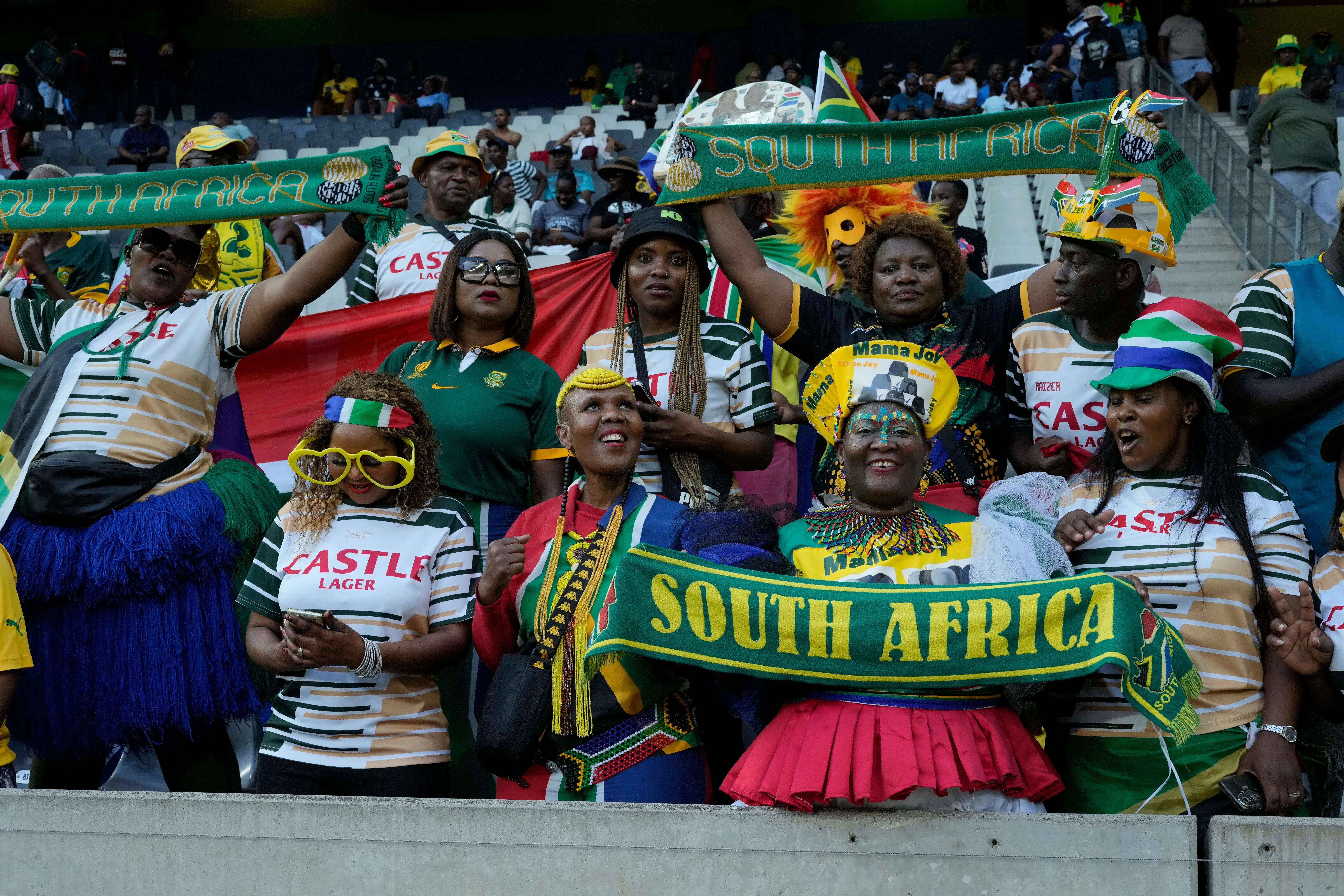
South Africa had hosted the 2010 FIFA World Cup. (AP)
South Africa wants to bring the Summer Olympics to Africa for the first time. Its case combines the symbolic significance of being the first African host with the country’s existing experience of delivering major international sporting events.South Africa has never hosted an Olympic Games. Its major-event record includes the 1995 Rugby World Cup and the 2010 FIFA World Cup.The latter is especially relevant because it demonstrated the country’s ability to stage a global event across multiple venues and cities. It also offers an example of how a major tournament can be used to develop or upgrade infrastructure.The country has explored hosting the Olympics for several years, with the government approving its entry into the IOC’s Continuous Dialogue process for a potential 2036 or 2040 Games.What is South Africa’s 2036 project?
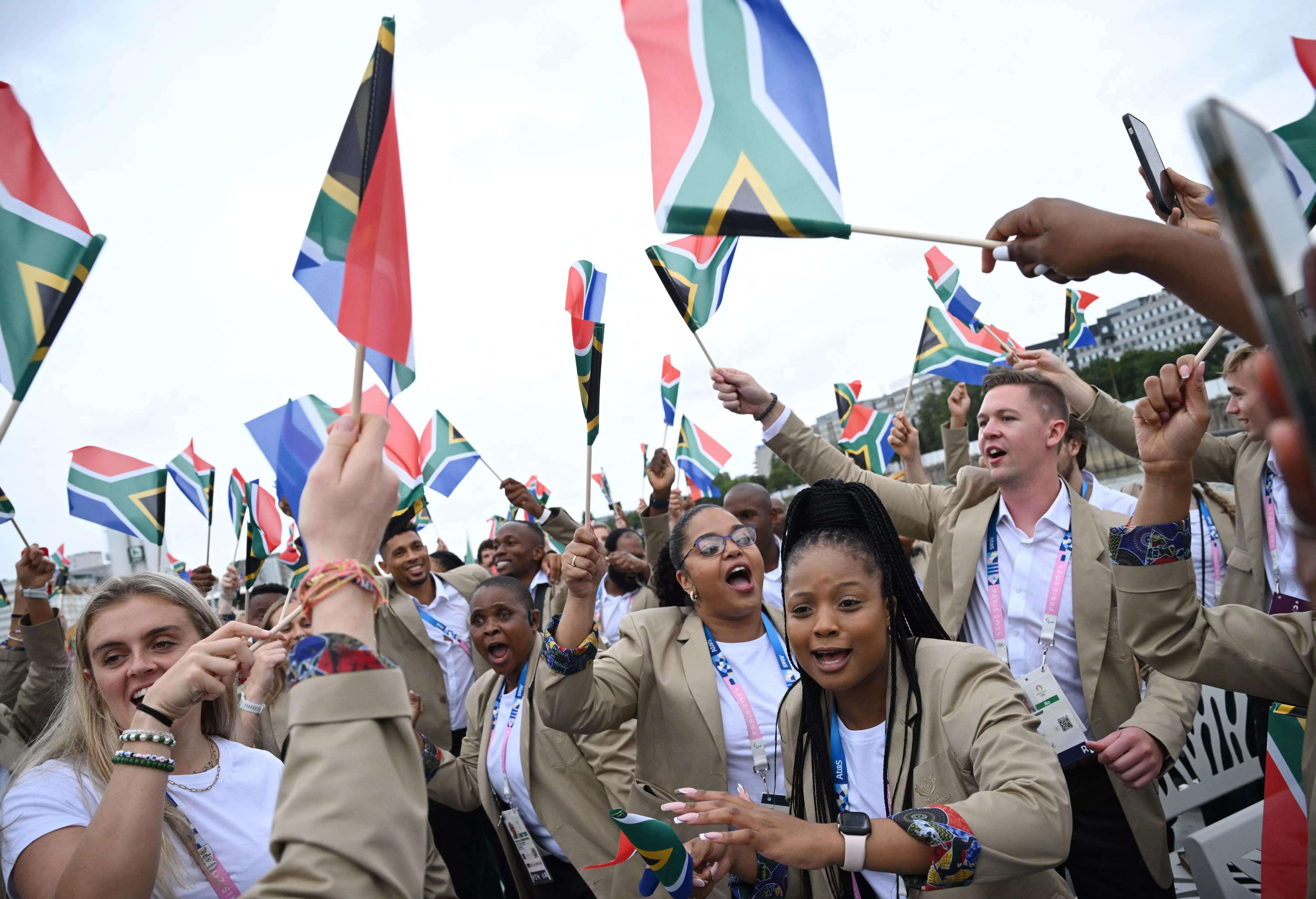
South Africa are hoping to become the first African nation to host the Olympics. (Getty Images)
The proposal initially outlined by South African Olympic leadership is a multi-city model involving Cape Town, Johannesburg and Durban.The logic is to distribute venues and responsibilities across existing urban centres rather than force the entire event into one city. It draws inspiration from the use of multiple locations at Paris 2024 and aims to make greater use of existing facilities.The three cities offer different strengths:– Cape Town: A globally recognisable setting and a proposed centre of the national project.– Johannesburg: Major-event experience and established sporting infrastructure, including FNB Stadium.– Durban: Existing major sports facilities, including Moses Mabhida Stadium.The final configuration remains subject to development. South African officials have also indicated that a preferred host city would need to be selected as the project progresses.What should Ahmedabad learn from South Africa?South Africa and India are both trying to make a larger historical argument through the Olympics. For South Africa, success would mean hosting the first Summer Olympics on African soil. For India, it would mean hosting the country’s first Olympic Games and taking a major step towards its ambition of becoming a global sporting power.Both can argue that hosting would expand participation and create a wider sporting legacy. Both also need to show that their national ambitions are backed by credible funding, reliable governance and realistic plans for coordinating the host locations.The key distinction is that South Africa’s project is explicitly designed to spread the Games across multiple cities. India’s proposal is centred on Ahmedabad, even though the benefits of hosting would be national.
Türkiye
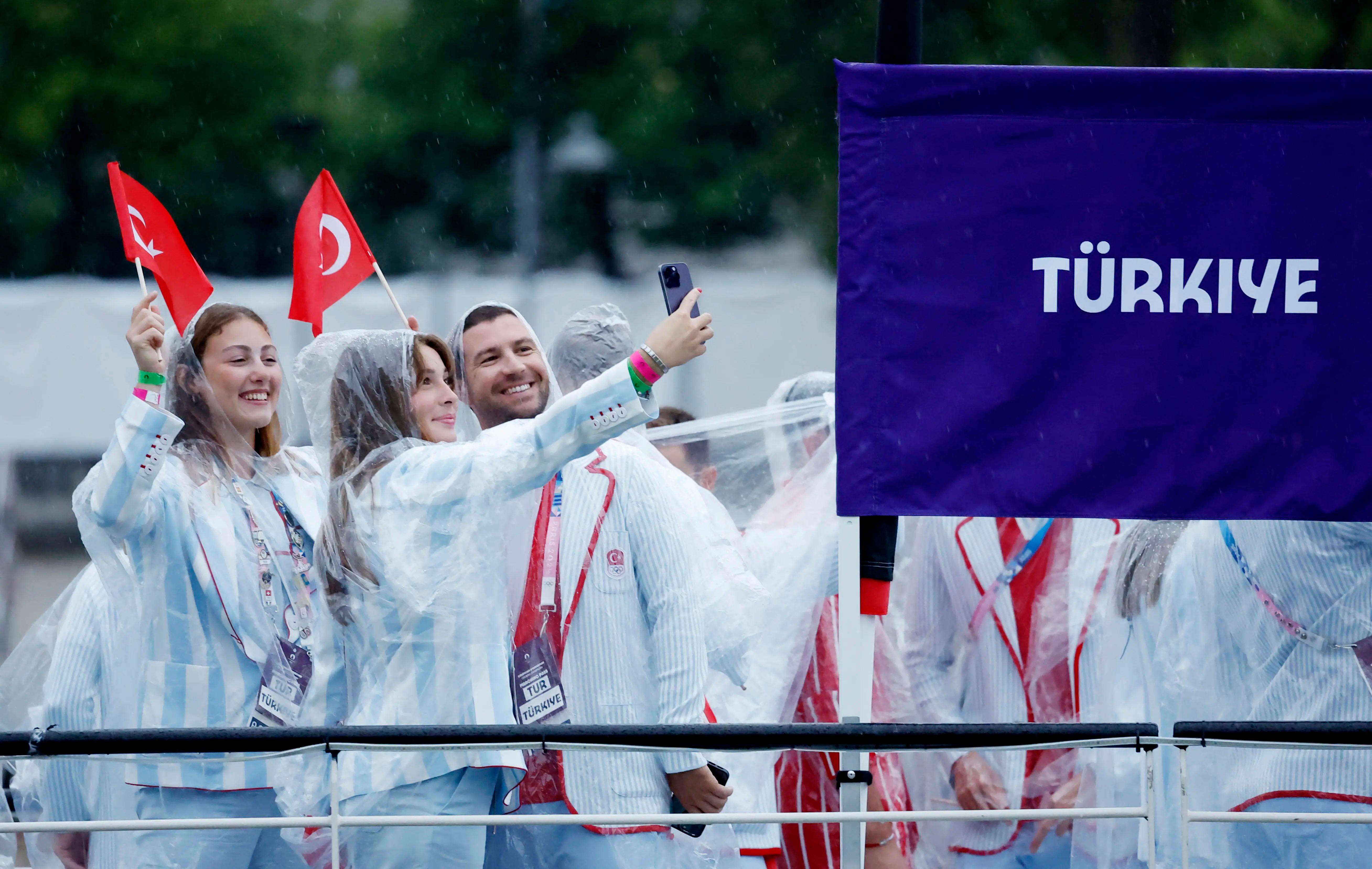
Turkiye has made five unsuccessful attempts at winning the bid to host the Olympics. (Getty Images)
Istanbul is trying to turn repeated Olympic disappointment into a stronger, more mature proposal, using existing infrastructure and upcoming international events to demonstrate readiness. Istanbul has made five previous unsuccessful attempts to host the Summer Olympics: 2000, 2004, 2008, 2012 and 2020.The 2020 campaign is especially relevant because Istanbul reached the final vote, finishing behind Tokyo. The city therefore has experience of an Olympic campaign at the highest level but has yet to convince the IOC to award it the Games.Türkiye’s current bid process has been underway for several years. The Turkish National Olympic Committee (TMOK) says it formally backed Istanbul’s candidacy in April 2024 and entered the IOC’s Continuous Dialogue process.What is Türkiye’s 2036 project?Istanbul’s proposal combines existing venues and infrastructure with a wider national effort to demonstrate its ability to organise major competitions.The city’s Olympic authorities, the Ministry of Youth and Sports, Istanbul Metropolitan Municipality and the Turkish Paralympic Committee have been involved in presenting the project’s vision to the IOC. Their work has addressed the expected impact of the Games, the legacy plan and the relationship between the Olympic project and Istanbul’s urban development objectives.The most important practical milestone is the 2027 European Games, which Türkiye intends to use as a rehearsal for its Olympic ambition.
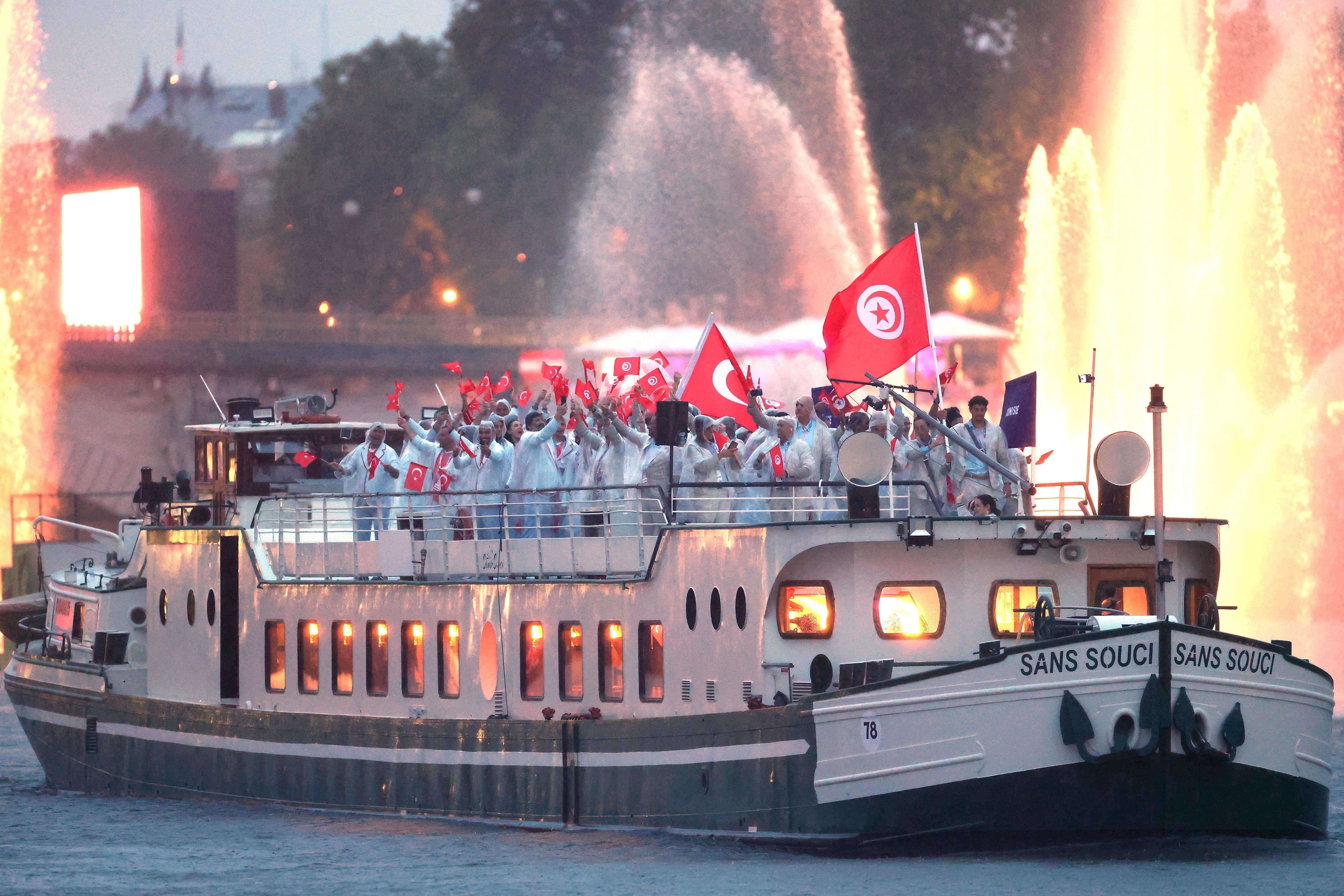
Tokyo had edged Turkiye in winning the bid to host the 2020 Games. (Getty Images)
TMOK has described the event as a live rehearsal and a test of confidence. The intention is to demonstrate venue readiness, transport and logistics, operational capacity and the ability to work with international sporting bodies before the IOC makes its decision on the 2036 Games.Türkiye’s government has also pointed to its experience of hosting major sporting competitions, ongoing investment in swimming facilities and the availability of an Olympic Village. Those claims will need to be assessed alongside the complete competition-venue plan and the wider logistics of the proposed Games.What should Ahmedabad learn from Türkiye?Istanbul’s advantage is that it has repeatedly pursued the Olympics and understands the demands of the bidding process. However, its history also demonstrates that persistence and a strong city identity do not guarantee success.The 2027 European Games offer a useful parallel with Ahmedabad’s role in the 2030 Commonwealth Games. Both cities have a major multisport event that can serve as evidence of their ability to host something larger.For Ahmedabad, the critical question will be whether the Commonwealth Games become a genuine test of operational readiness and long-term planning, rather than simply a milestone on the way to an Olympic bid.
Hungary

Hungary had initially bid to host the 2024 Olympics but it was later withdrawn. (AP)
Hungary is exploring a bid to host the 2036 Olympic and Paralympic Games in Budapest, with a vision centred on existing and temporary venues rather than the construction of new permanent stadiums. The proposed model envisages at least 80% of events taking place in Hungary, with the possibility of sharing venues with neighbouring countries.Budapest has pursued Olympic hosting ambitions for the 1916, 1920, 1936 and 1960 Games, but none resulted in the city being awarded the event. Its most recent campaign was for the 2024 Olympics, but it was withdrawn in February 2017 after the Momentum Movement gathered approximately 266,000 signatures demanding a referendum on the proposal.Since then, Hungary has hosted several major international sporting events, including the 2017 and 2022 World Aquatics Championships and the 2023 World Athletics Championships. These events have strengthened the country’s experience in organising international competitions, although an Olympic bid would still require broad political consensus and firm financial guarantees.What is Hungary’s 2036 project?The proposed Games would draw on Hungary’s existing sporting infrastructure, including Puskás Aréna, the National Athletics Centre, MVM Dome and Duna Aréna. Where suitable facilities are unavailable, organisers could consider temporary venues or explore sharing facilities with other countries. Preliminary discussions have included possible venues in Vienna, Bratislava, Košice, Brno, Ljubljana, Zagreb, Belgrade and Cluj-Napoca, although no final agreements have been reached.What should Ahmedabad learn from Hungary?
Budapest has pursued Olympic hosting ambitions for the 1916, 1920, 1936 and 1960 Games. (Getty Images)
Hungary’s proposition is about hosting the Olympics with less new permanent construction, while Ahmedabad’s is about using the Olympics to accelerate sporting and urban development.– Venues: Hungary prioritises existing and temporary facilities, potentially supplemented by venues across Central Europe. Ahmedabad’s plans centre on a proposed sports enclave and wider infrastructure development.– Legacy: Hungary emphasises avoiding underused stadiums and investing in infrastructure that Budapest already needs. Ahmedabad frames the Games as a catalyst for wider participation and India’s sporting ambitions.– Experience: Hungary has recently staged major international championships. Ahmedabad’s 2030 Commonwealth Games offer an opportunity to demonstrate its ability to deliver a multisport event.– Main obstacle: Hungary needs political agreement and a workable cross-border model. Ahmedabad needs to demonstrate that its infrastructure plans, funding, governance and operational capabilities can meet Olympic requirements.– The key contrast: Hungary asks whether the Olympics can be staged with minimal new permanent stadium construction. Ahmedabad asks whether the Olympics can justify and accelerate a major programme of development.
What is Ahmedabad’s plan for the 2036 Games?
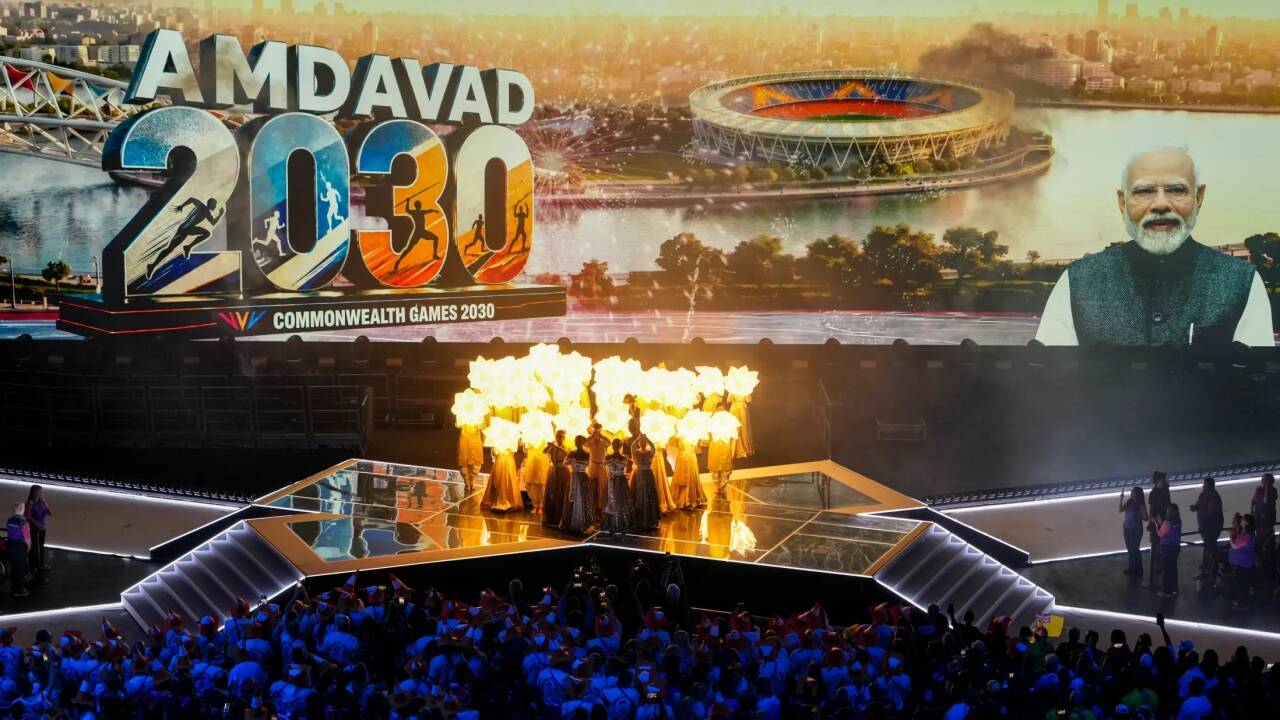
Ahmedabad will host the 2030 Commonwealth Games. (PTI)
India’s campaign is framed around the vision “Rising Together” and the idea that hosting the Games could transform the country’s sporting ecosystem, rather than merely stage a fortnight of competition. The Indian Olympic Association (IOA) has described the ambition as an opportunity to increase participation, strengthen communities and create opportunities through sport.IOA CEO Raghuram Iyer has also made the ambition explicit: India wants to become a sporting superpower, with the longer-term goal of entering the world’s top five or top 10 sporting nations.India’s own project– Sports City: Plans associated with the Commonwealth Games include 11 sports complexes and complementary facilities such as gyms, swimming pools and training spaces.– Municipal investment: Ahmedabad’s draft municipal budget for 2026-27 earmarked ₹17,018 crore for development, including mobility, sustainability and urban development.– 2030 Commonwealth Games: These provide a nearer-term opportunity to test venue delivery and event operations.– 2038 Asian Games: India has also pursued Ahmedabad as a possible host, potentially creating a sequence of major multisport events leading towards the Olympic ambition.