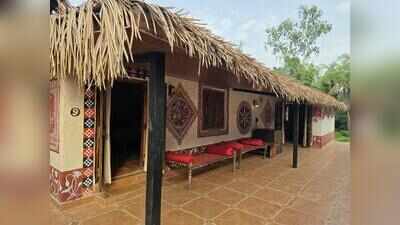
Bhubaneswar: A cluster of 15 homestays run by tribal families in Dhodrokusum village near Debrigarh Wildlife Sanctuary is emerging as a successful model of community-based ecotourism, linking wildlife conservation with livelihood generation and transforming local women into entrepreneurs.Located around 500 metres from the sanctuary entrance and overlooking Hirakud Wetland, the village has become a key beneficiary of the growing tourist footfall to Debrigarh, which is known for its rich wildlife, forests and scenic reservoir landscape. Forest officials say the initiative is creating a direct economic connection between conservation and community welfare.The homestay programme began with five rooms in Dec 2025. Encouraged by its success, another 10 rooms were added this year, taking the total to 15. Between Dec 2025 and May 2026, the first five homestays hosted 532 visitors and generated nearly Rs 12 lakh in revenue. Women associated with the initiative earned around Rs 9,000 per month, while operational expenses were met from the revenue generated by the enterprise.Divisional forest officer (DFO), Hirakud Wildlife Division, Anshu Pragyan Das, said the initiative is helping reduce dependence on forest resources while ensuring local communities become active stakeholders in conservation.“The homestay project has demonstrated that conservation and livelihood generation can go hand in hand. Families living near Debrigarh are now earning directly from visitors who come to experience the sanctuary and the Hirakud landscape. This creates a strong incentive for protecting wildlife and natural habitats,” Das said.According to her, the model is gradually evolving from a few individual enterprises into a broader community economy centred around ecotourism. Women who previously depended on manual labour, collection of forest produce or other informal occupations are now managing accommodation, food services and visitor hospitality.Forest officials believe the initiative adds a new dimension to Debrigarh’s conservation strategy. While habitat protection safeguards wildlife populations, ecotourism creates economic value around a healthy ecosystem, offering sustainable livelihood options to forest-fringe communities.“When local households see tangible benefits from ecotourism, conservation becomes part of their everyday lives and household economy. The expansion of homestays is strengthening coexistence between people and wildlife while creating new opportunities for rural entrepreneurship,” Das added.Officials view the Dhodrokusum model as a promising example of how community-driven ecotourism can support both biodiversity conservation and inclusive rural development around protected areas.