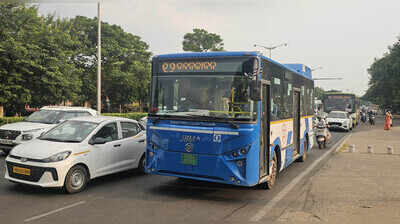
Bhubaneswar: Wary of heavy rain, strong winds and widespread waterlogging due to Cyclone Arnab, the Odisha govt has directed transport authorities to seal unsafe routes, submerged bridges and overflowing roads, prohibiting vehicular movement.In a letter issued by the transport commissioner Amitabh Thakur, all regional transport officers (RTOs), additional RTOs and enforcement officials were asked to immediately implement precautionary measures to protect passengers, drivers and others while ensuring transport preparedness for emergency operations.“RTOs have been directed to work with district collectors, police and road agencies to identify flooded low-lying roads, submerged bridges and landslide-prone stretches. Effective barricading and restriction of vehicular movement shall be ensured at such locations. No vehicle shall be allowed to cross an overflowing road or submerged bridge,” Thakur said.The directive, issued following instructions from the special relief commissioner, warned that heavy rainfall, landslides, waterlogging, uprooted trees and road disruptions could pose serious risks to vehicular movement, especially during night hours.The govt has also asked transport operators, truck and bus owners’ associations and terminal managers to disseminate route diversions and restriction orders among drivers.“Bus and truck owners’ associations, bus terminals and transport operators should be informed promptly about unsafe routes, diversions and restrictions issued by the district administration. Passengers should be informed promptly about service disruptions,“ the letter stated.To strengthen disaster response, enforcement teams have been directed to remain on alert and conduct enhanced patrolling along highways and other vulnerable stretches. Cranes, recovery vehicles and other emergency resources will be stationed at strategic locations to deal with stranded vehicles and road blockages.The official order also requires RTOs to keep lists of buses and goods vehicles ready for deployment in evacuation, relief distribution and transportation of essential supplies. Round-the-clock control rooms will function to monitor road conditions, coordinate with district emergency operation centres and provide real-time updates during the cyclone period.