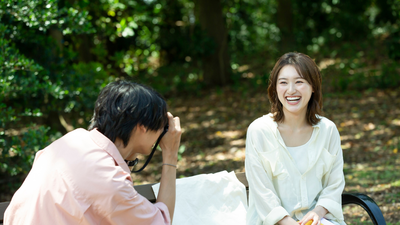
Look through someone’s phone gallery and you may notice a pattern. Their favourite pictures are not necessarily the ones in which they are looking directly at the camera, standing in the right light or giving their best smile. Instead, they may choose a photograph taken while laughing, talking to a friend, walking along a street or doing something without realising that someone was clicking.For some people, these unposed photographs feel more personal than pictures taken after several attempts to get the perfect angle. It may seem like a simple preference for a particular photography style. But psychology research offers an interesting explanation for why candid pictures can feel more appealing: they can give the impression of showing someone as they naturally are, rather than how they want to be seen.A study by researchers Jonah Berger of the University of Pennsylvania and Alixandra Barasch of New York University examined how people respond to candid and posed photographs. The research ‘A Candid Advantage? The Social Benefits of Candid Photos’ included five studies. The researchers also analysed thousands of online profiles to understand the photographs people typically choose to share.They found that although people overwhelmingly posted posed photographs of themselves, viewers often responded more favourably to candid ones. People who saw candid photographs felt more connected to the person in the picture, liked them more and showed greater interest in getting to know them or dating them.
Why do candid photographs make a different impression?
The researchers found that the difference was largely linked to how genuine the person appeared. A posed photograph often involves some degree of preparation. A person may adjust their expression, choose an angle, check the background and take several pictures before selecting one. There is nothing wrong with this, but the photograph can give viewers the impression that the person is carefully managing how they appear.A candid photograph, on the other hand, can look less controlled. Someone laughing in the middle of a conversation or concentrating on an activity may appear more natural because the image seems to capture a moment rather than a planned presentation.The researchers found that this impression of genuineness helped explain why viewers reacted more positively to candid photographs. Interestingly, the advantage became weaker when viewers were told that the person knew the photograph was being taken. In other words, once a supposedly spontaneous moment appeared deliberate, it lost some of its perceived authenticity. This suggests that what makes a candid photograph appealing is not simply the absence of a perfect pose. It is the impression that the person was not trying too hard to create a particular image.
Does preferring candid pictures mean you value authenticity?

Photo: Canva
It is tempting to assume that people who choose candid photographs are less concerned about appearances or more comfortable showing their unfiltered selves. That may be true for some, but the research does not establish that people who prefer candid pictures have a particular personality type. There is, however, a broader connection between photographs and the way people present themselves.A study published in Cyberpsychology, Behavior, and Social Networking examined photograph-related behaviour among 1,686 people in a nationally representative US sample.Researchers looked at how people selected and edited photographs for social media and how they responded to other people’s pictures. The study discussed how photographs allow people to manage the image they present to an imagined audience.This helps explain why choosing a photograph can become more than a matter of appearance. Some people may want an image that shows them at their most polished, while others may prefer one that reminds them of an experience, a relationship or a moment when they were not thinking about how they looked.A candid photograph can also preserve details that a posed picture may not: the expression on someone’s face during a joke, the way friends interact or the atmosphere of a particular occasion.
Why the picture you like may not be the one you look best in
There is a difference between choosing a photograph because it makes you look good and choosing one because it feels like you. A carefully posed picture may be the better option for a professional profile, formal occasion or a situation where appearance matters. But when choosing photographs for personal memories or social sharing, some people may care more about what the image represents than whether everyone looks perfectly arranged.The research by Berger and Barasch offers an important distinction here. It studied how viewers respond to candid and posed photographs, not why individual people choose one style over the other. So it cannot prove that someone who prefers candid pictures is necessarily more authentic, confident or less concerned about appearance.Still, it helps explain why an imperfect photograph can sometimes feel more appealing than one in which everything looks just right. The picture may not show the best angle or the most carefully arranged smile, but it can offer something else: a glimpse of a person in a moment when they were simply being themselves.