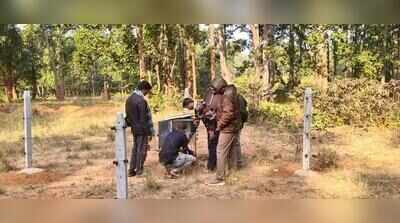
Bhubaneswar: The father-son electrocution deaths in a paddy field in Khurda’s Hirapur village have brought into focus the use of solar-powered electric fences.Angul forest division, to curb growing misuse of such farm fencing and prevent human and wildlife deaths, has introduced a self-declaration system for farmers installing solar fences around their agricultural fields.Under the new initiative, farmers are required to sign an undertaking taking responsibility for ensuring that the fences are used safely and do not cause harm to humans or wildlife. The move comes amid increasing concerns over illegal charging of solar fences with high-voltage electricity, a practice that has led to several fatal incidents across Odisha.Angul divisional forest officer Nitish Kumar said the division has already collected self-declarations from more than 300 farmers. “We have collected self-declaration (undertaking) from more than 300 farmers who have installed fencing around their farmland. We have details of areas covered and locations of fences. We would take suitable action if they violate what they have promised in the self-declaration. This will work as a deterrent,” he said.Forest officials said solar fences are designed to deliver mild shocks to deter wild animals, particularly elephants, from entering crop fields. However, many farmers have allegedly been charging these systems with direct power from electricity lines, turning them into lethal traps.“A new trend has emerged where farmers procure solar fences and operate them without adequate knowledge. When batteries run out, some connect systems to nearby power lines, which is extremely dangerous,” said a senior wildlife officer.The forest department is also considering measures with the energy department to prevent illegal tapping of power lines for fencing. Officials noted that farmers often strip insulation from power cables and hook wires to draw current for fences.Wildlife campaigner Biswajit Mohanty has advocated maintaining a geo-tagged database of all solar fence users. “The DFO, range officer and even beat forest guards should have access to details so that violations could be detected and acted upon quickly,” he said.The concern is not limited to human fatalities. According to a written reply in the assembly in April last year, 27 elephants died due to electrocution in the state over the last five years (up to 2025), most of them after coming into contact with illegally electrified fences.