The social media is brimming with reels and funny memes aimed at extremely high and ‘unfair’ airline prices. With Diwali, Chhath Puja and the year-end holiday season around the corner, there’s a surge in travel demand. The internet is flooded with funny comparisons. Some even shared screenshots showing airfare between Delhi-Bangkok being cheaper than Delhi-Patna, which has raised some serious questions.And that’s the reason why domestic airfares in India have come under scrutiny. The issue reached the Supreme Court on November 2, 2026, when a petitioner sought an urgent hearing over alleged increases of up to 700% in airline ticket prices.But the response from the bench was brief, precise and clear:When an advocate sought an urgent hearing of the matter before a bench of Justices Vikram Nath, Sandeep Mehta and Aparesh Kumar Singh.“Don’t travel by air. Next case.”Now this exchange has reignited an important debate for Indian travellers which is can airlines charge several times their usual fares during peak travel periods?The petitioner argued that air travel was an essential service and that it’s a violation of Article 14 of the Constitution, which guarantees equality before the law.Let’s try to understand the case:Why airfares rise during festivals
Gazette
The controversy comes against the backdrop of India’s dynamic airfare pricing system. Unlike railway fares, which operate under a different regulatory framework, domestic airline ticket prices are generally determined by market forces.Airlines use multiple fare categories, also known as booking inventory buckets, and prices can change depending on demand, seat availability and the time remaining before departure, among other factors.The Ministry of Civil Aviation had clarified this position in a July 2022 Press Information Bureau release. It stated that airfare, under normal circumstances, was neither established nor regulated by the government. Following the repeal of the Air Corporations Act in March 1994, airlines were given the freedom to determine reasonable tariffs.However, it does not mean airlines have unlimited freedom to charge illogical fares. For passengers, the biggest challenge is the unpredictability of these prices.According to a report by Economic Times, the apex court had asked Solicitor General Tushar Mehta to place the published rules under the Bharatiya Vayuyan Adhiniyam, 2024, before the court on the next date of hearing which is November 16.What is the Supreme Court petition seeking?

Supreme Law (PC: Canva)
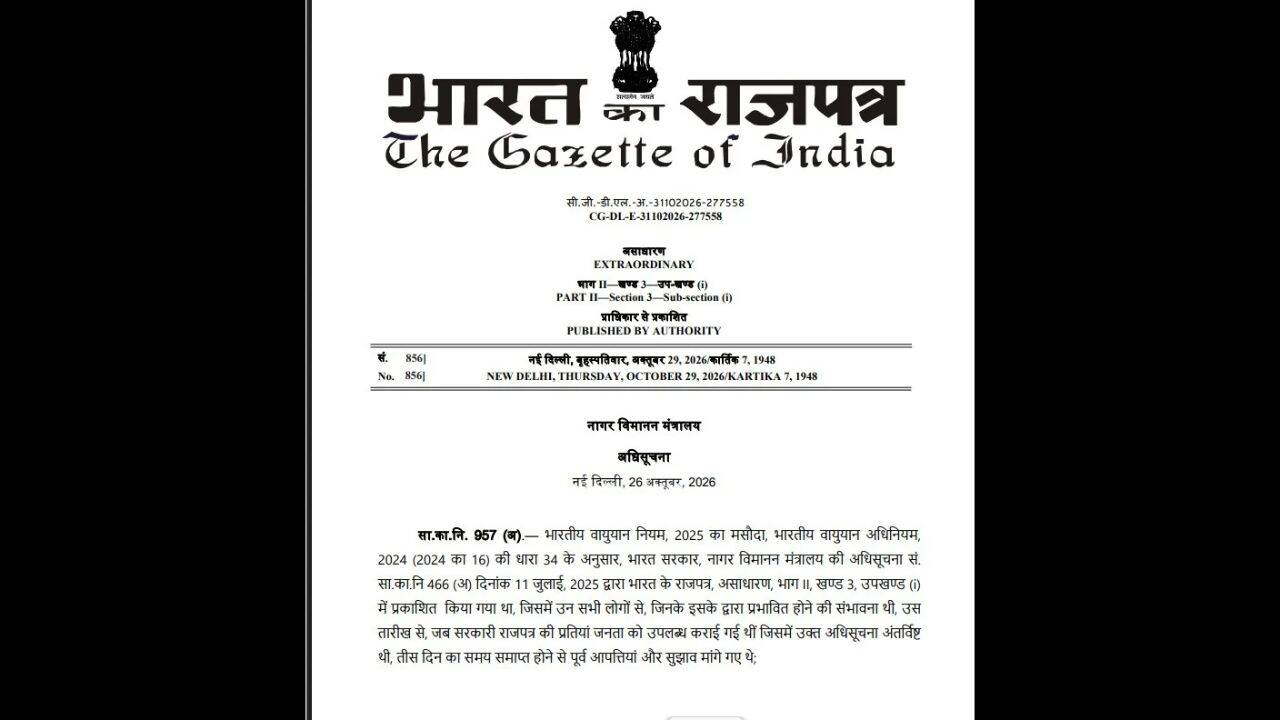
The latest exchange is connected to a public interest litigation filed by social activist S. Laxminarayanan. He challenged the unpredictable airfare fluctuations, algorithm-driven dynamic pricing and additional charges.The petition raises concerns about passengers having to pay substantially higher amounts when booking flights at short notice, including during emergencies. It also seeks transparency when it comes to airline pricing.The petitioner’s argument is particularly relevant from a travel perspective. During major festivals, confirmed railway tickets on popular routes can become difficult to secure well in advance. For people who need to travel because of family emergencies, medical reasons or work commitments, flying may become the only practical option.The petitioner has also questioned the reduction in complimentary check-in baggage allowance in economy class from 25 kg to 15 kg and sought its restoration during festive travel periods.New aviation rules could change airfare regulation from 2027Interestingly, the airfare debate comes at a time when the government has introduced a new regulatory framework for India’s aviation sector. The Ministry of Civil Aviation notified the Bharatiya Vayuyan Niyam, 2026, through a Gazette notification published on October 31, 2026.Under Rule 192, airlines operating scheduled services will have to establish tariffs based on factors including operating costs and submit their tariff details to the DGCA. They will also have to publish their fares on their websites and other digital platforms. The rules will come into effect on January 1, 2027.What does this mean for Indian travellers?
Air travel (PC: Canva)
For people planning festive and winter holidays, the debate highlights an important aspect of air travel in India: ticket prices can change considerably as departure dates approach.Travellers can consider booking early, comparing fares across different departure dates and checking alternative airports or nearby railway connections wherever practical. They should also check the final payable amount, baggage allowance and cancellation conditions before completing a booking.The new rules may improve pricing transparency from January 2027, but whether they will prevent extraordinary fare increases remains to be seen.The Supreme Court’s November 2 exchange has brought the issue back into the spotlight.