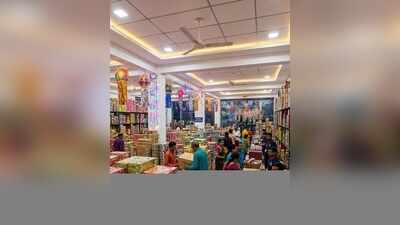
Cuttack: This Diwali, bursting crackers is set to become expensive with prices rising by around 15% amid higher raw material costs and supply disruptions in Sivakasi, the country’s fireworks manufacturing hub.According to the Indian Fireworks Manufacturers Association (TIFMA), the price rise has been driven largely by the increased cost of petroleum-linked products and other essentials, compounded by production and transportation challenges.Key raw materials, including sulphur, potassium nitrate, aluminium powder, charcoal, chemicals, paper and packaging materials, have become more expensive.“Fireworks prices have increased by around 15% this year because raw material costs have gone up. Many inputs are petroleum-based or linked to petroleum prices, and the impact of the conflict (in West Asia) and higher petroleum costs has pushed up our production expenses significantly,” said T Kannan, president of TIFMA.Supplies to Odisha have also declined due to lower production. Against 348 crore units supplied last year, the industry has sent about 302 crore units to the state this year, Kannan said.Cuttack, Bhubaneswar and Berhampur together account for more than 70% of Odisha’s cracker sales, with Cuttack remaining the biggest distribution hub. More than 10,000 retail outlets across the state sell fireworks during the festive season.Despite supply constraints and higher transportation costs, wholesalers said demand remains encouraging. “Prices have increased, but customers are still coming forward to buy crackers. However, higher wholesale rates have affected the quantity that retailers are purchasing this year,” said Manoj Jena, a wholesale trader from Jatani.Kushia Behera, a wholesaler from Banki in Cuttack district, said transportation expenses and reduced supplies had added to the pressure on traders. “We are facing higher procurement costs this year. We are helpless as manufacturing costs have increased. Retailers will have to pass on part of the additional burden to consumers,” Behera said.