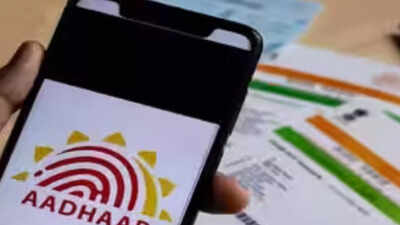
NEW DELHI: Checking into a hotel, entering a hospital or verifying the identity of a gig worker could increasingly be done without submitting photocopies of Aadhaar cards. The Unique Identification Authority of India (UIDAI) has brought 300 organisations on board its offline verification system since January, expanding the use of consent-based digital identity checks across everyday services.The development comes as the Aadhaar App gains popularity, with nearly 7.5 crore downloads and more than 86 lakh people using it to update their registered mobile numbers without visiting an Aadhaar centre.The 300 organisations, registered as Offline Verification Seeking Entities (OVSEs), cover sectors such as hospitality, healthcare, education, events, the gig economy and consumer services. The initiative is intended to replace physical document collection with digital verification, reducing paperwork and the risk of personal information being misused.Under the system, residents can share their identity details through the Aadhaar App after giving consent. They can choose whether to share complete or selected information, while their 12-digit Aadhaar number is not transferred to the organisation conducting the verification. The process does not require the organisation to connect to UIDAI’s central identity database.The expansion follows UIDAI’s earlier efforts to encourage hotels, government departments and other service providers to accept app-based Aadhaar credentials instead of routinely collecting photocopies. In April, UIDAI had reported onboarding its first 100 entities.Alongside the verification initiative, the Aadhaar App is increasingly being used for updating personal details. According to UIDAI, residents have completed 22.16 lakh address updates and 40.25 lakh email updates through the application.
Share your thoughts in the comments
Be respectful · TOI community guidelines
Security-related features have also seen substantial use. The app has recorded 4.6 crore biometric lock and unlock transactions, allowing users to control access to their fingerprint and iris-based authentication. Another 3.61 lakh Aadhaar lock and unlock transactions have been recorded.The growing use of these features is significant as Aadhaar moves beyond government welfare delivery to routine identity verification in private services. The emphasis is now on allowing residents to prove their identity without unnecessarily disclosing personal information.UIDAI said the expansion aligns with the Digital Personal Data Protection Act’s emphasis on consent and limiting data collection, while making Aadhaar-related services more accessible through smartphones.