
You are sitting at a restaurant with friends. You have looked through the menu, settled on a dish and are almost ready to place your order. But when the waiter approaches, you glance at the menu again. You read the options once more, compare a couple of dishes and briefly wonder whether you should order something else.You may eventually choose the same dish you had decided on minutes earlier. Yet, for some reason, you needed to check the menu again.This familiar habit may have something to do with decision uncertainty. It does not necessarily mean that you do not know what you want. Sometimes, the difficulty lies in feeling confident that the choice you have made is the right one.
The feeling that there might be a better option

Photo: Canva
A restaurant menu presents several possibilities at once. Even after finding something appealing, you may notice another dish that sounds equally good, costs less or seems more interesting. That can make you question your original choice.Research on choice overload helps explain why this happens. A 2015 meta-analysis published in the Journal of Consumer Psychology examined 99 observations involving 7,202 participants.The researchers found that having more options can make decisions harder under certain conditions. The effect was influenced by factors such as how complicated the choices were, how difficult the decision felt and how certain people were about their preferences.In other words, a long menu may be particularly challenging when you are not completely sure what you feel like eating. Going through it again can become an attempt to reduce that uncertainty.
When choosing the best option becomes more important than choosing something good
Another possible explanation comes from research on two decision-making styles: maximising and satisficing. Maximisers tend to search for the best possible option. They compare alternatives and may continue looking even after finding something they like. Satisficers, on the other hand, are more likely to choose an option that meets their requirements and move on.Psychologists explored this difference in a 2002 paper. Across several studies, the researchers found that people with stronger maximising tendencies reported more regret and were less satisfied with consumer decisions than those who were less focused on finding the absolute best option.Applied to a restaurant setting, this could mean that someone has already selected a dish they would enjoy but continues scanning the menu because they want to make sure another option would not have been better. The issue is not necessarily the food. It is the possibility of missing out on a better choice.
Why you may question your decision even after making it
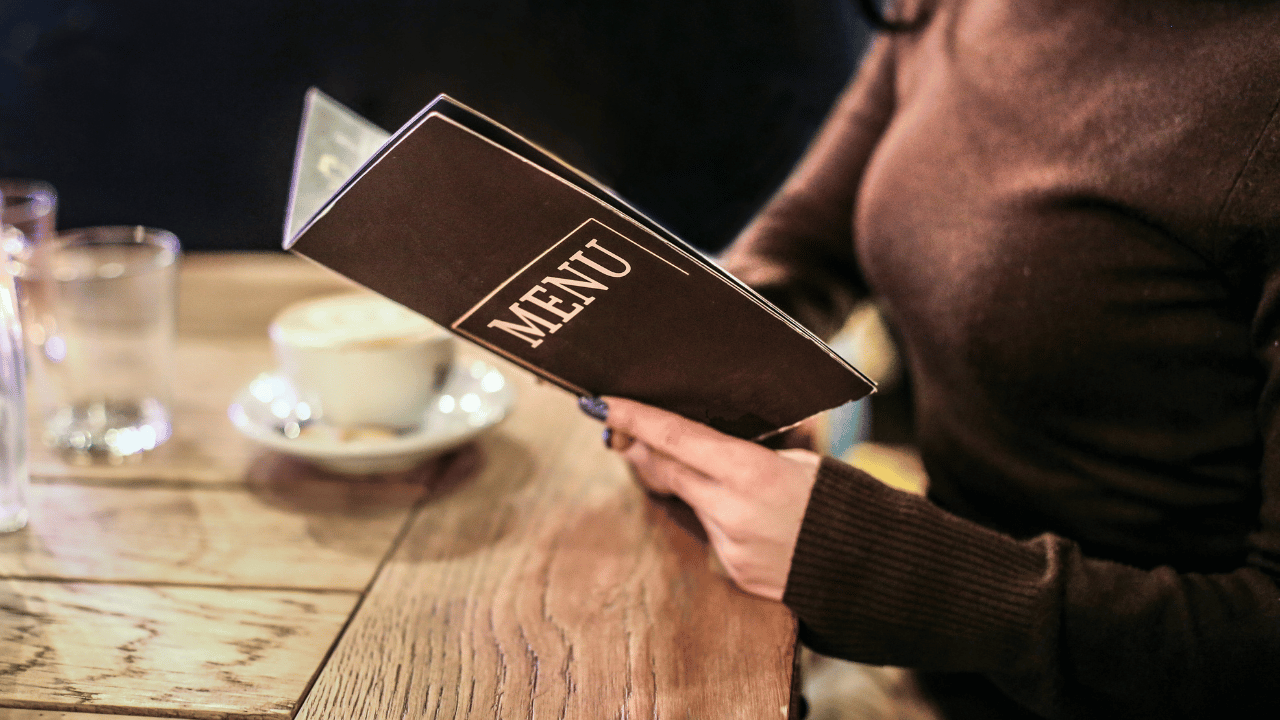
Photo: Canva
Decision-making does not always end when a person selects an option. People can continue thinking about alternatives they did not choose. A study in 2021 examined how people evaluated their decisions when faced with too many options. It found that maximisers reported more negative post-decision evaluations than satisficers during choice overload.This helps explain why someone might revisit a menu even after mentally placing an order. They may be checking whether their choice still feels like the best one, rather than looking for something entirely different.However, repeatedly reading a menu does not automatically mean someone has a maximising personality. Hunger, unfamiliar dishes, dietary preferences, prices, the people they are dining with and simply enjoying browsing can all influence the behaviour.
How to stop turning a simple meal into a difficult decision
If you recognise this habit in yourself, a few small changes may help:
- Decide what matters before opening the menu: Think about your budget, appetite and the kind of food you want.
- Shortlist two or three dishes: You do not need to compare every item on the page.
- Look for what you will enjoy, not what you might be missing: Another dish sounding good does not make your first choice a bad one.
- Give yourself permission to settle: If a dish meets your expectations, you can choose it without proving that it is the best item on the menu.
There is no established psychological rule that rereading a menu after deciding is a sign of decision uncertainty. The studies above examine broader patterns of choice, comparison and regret rather than this specific restaurant habit.Still, the next time you find yourself reading the same menu for the third time, it may be worth asking whether you are genuinely reconsidering your order or simply looking for reassurance that you have chosen well.