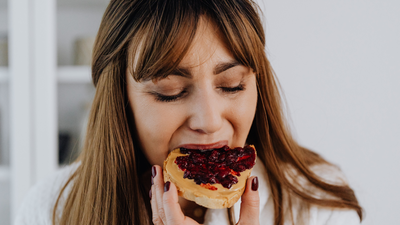
There is a particular way some people eat their meals. They may have a plate of food in front of them, but instead of reaching for their favourite item first, they leave it untouched. They finish the vegetables, eat the less preferred portions and carefully keep the tastiest piece for the final mouthful.It could be the crispiest piece of dosa, the last spoonful of biryani with the perfect combination of rice and masala, the best piece of paneer or the final bite of dessert. Whatever it is, they want to end the meal with the part they enjoy most.This familiar habit may have something to do with how people experience anticipation and pleasure. For some, enjoying food is not only about how it tastes in the moment but also about looking forward to the most satisfying part of the meal.
Why some people prefer to end their meal with their favourite bite
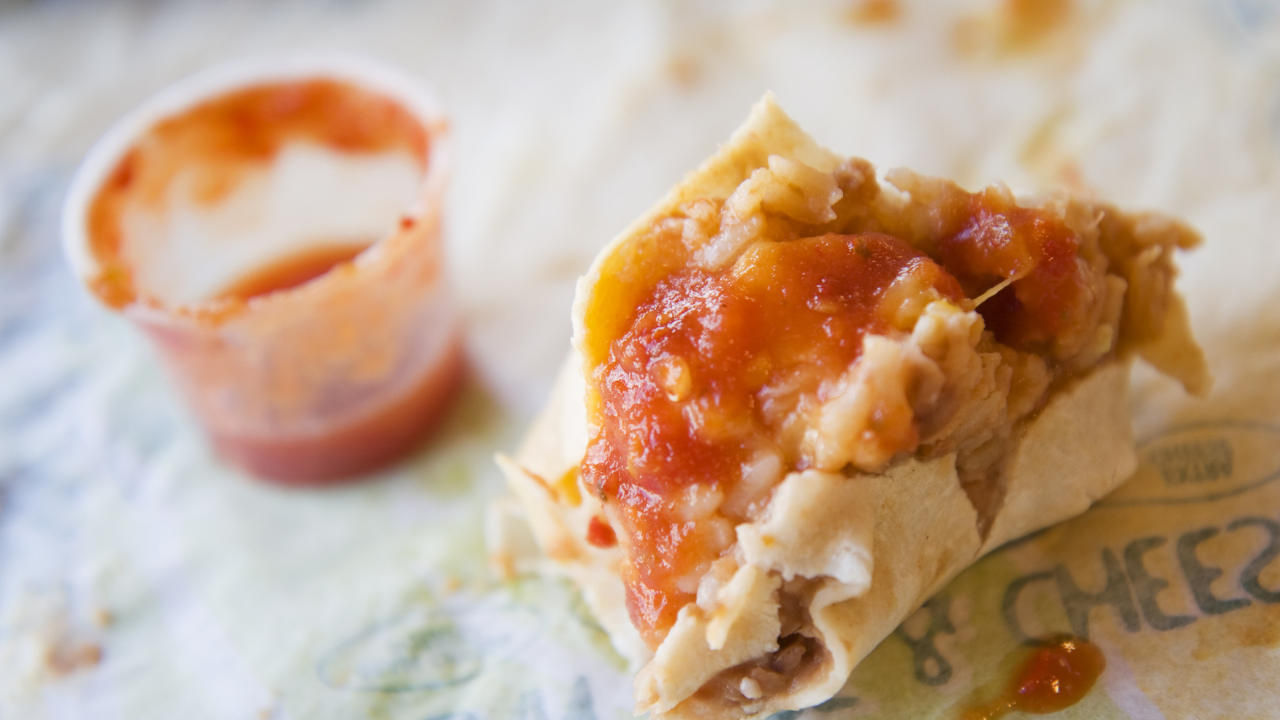
Photo: Canva
A 2014 study titled ‘Preference-Based Serial Decision Dynamics: Your First Sushi Reveals Your Eating Order at the Sushi Table’ examined how people decide the order in which they eat foods they like to different degrees.Researchers studied 148 participants who selected seven pieces of sushi from a range of options and were then allowed to eat them in whichever order they preferred. Two main patterns emerged. One group ate their favourites first and moved towards the less preferred pieces. Another group did the opposite, beginning with their least favourite pieces and saving their preferred sushi for last.The researchers suggested that saving the best for last may be related to a preference for experiences that end on a high note. They discussed this in connection with the ‘peak-end effect,’ the idea that the ending of an experience can have a strong influence on how the entire experience is evaluated.The study did not establish that everyone who saves their favourite bite does so for the same psychological reason. Instead, it showed that people follow different strategies when deciding how to experience a sequence of enjoyable things.
The pleasure of looking forward to something
Another possible explanation is anticipatory savoring. This refers to the pleasure people experience while looking forward to something they expect to enjoy. A 2018 study examined this idea across five studies. Researchers found that anticipating an upcoming consumption experience could increase enjoyment both while the experience was happening and when people remembered it later.Applied to eating, this offers one possible explanation for why someone might keep their favourite bite until the end. Knowing that something particularly enjoyable is still waiting on the plate can make the meal feel like it has a pleasant moment to look forward to. The anticipation becomes part of the experience, rather than the pleasure being limited to the moment the food is eaten.
Why waiting can make the experience feel more rewarding
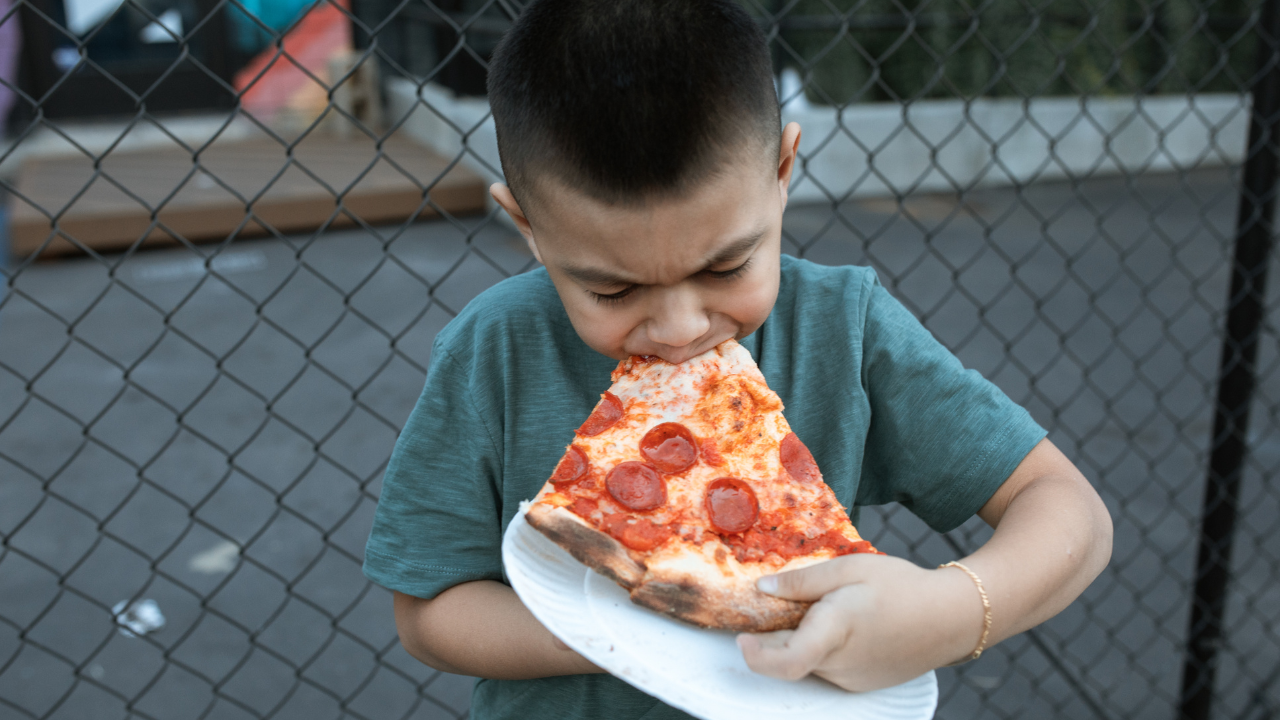
Photo: Canva
Research on chocolate consumption has also examined how anticipation influences eating. In a 2016 paper researchers conducted two laboratory studies. They examined how expectations about the amount of chocolate people would receive influenced their eating behaviour. The researchers found that the time people spent anticipating the chocolate before tasting it was related to their subsequent consumption. They described this period of looking forward to eating as anticipatory savoring.Although the research did not examine people saving their favourite bite for the end of a meal, it suggests that anticipation can influence the way people experience food.
Does saving the best bite say something about your personality?
Not necessarily. There is no established psychological rule that people who save their favourite food for last are more patient, disciplined or better at delaying gratification. The sushi study itself found two distinct eating strategies, showing that people can have different preferences about when they want to experience their favourite part. Some want the immediate pleasure of eating it first, while others prefer to build towards it.Food preferences, hunger, portion size, family habits and cultural practices can also influence eating order. Someone may simply have grown up being told to finish the less enjoyable food first or may prefer the taste of their favourite item lingering after the meal.Still, if you are someone who carefully saves the best bite for last, the habit may reflect an enjoyment of anticipation. You are not just thinking about what you are eating now; you are also looking forward to what is still waiting on your plate.