
When children start comparing their height with classmates, parents may begin to worry too. A child who seems shorter than most students in the class can leave parents wondering whether they are eating enough, sleeping properly or getting sufficient outdoor play.But comparing a child’s height with that of classmates does not tell the whole story. Children grow at different rates, and their eventual height is influenced largely by genetics. Nutrition, sleep, overall health and other factors also play a role in healthy development.
22 Sept 2026 | 15:04
What pregnancy purchase turned out to be genuinely useful?
In an Instagram video, parenting teacher Hitesh Mathur, who shares advice through @parentingwithbrainify, highlighted four things parents of children aged 6 to 12 should pay attention to: adequate sleep, outdoor activity, nutrition and regular growth tracking.
1. Make sure your child gets enough sleep
Mathur’s first suggestion is to protect children’s sleep. He says children in this age group need around 9 to 12 hours of sleep each night. This is consistent with the recommendation of the American Academy of Sleep Medicine. It recommends that children aged 6 to 12 get 9 to 12 hours of sleep every 24 hours for good health.Sleep is also linked to the body’s production of growth hormone. Much of the hormone’s secretion takes place in pulses after sleep begins, particularly in association with deep sleep. Growth hormone plays an important role in the development of bones and other tissues.For parents, the practical takeaway is to establish a regular bedtime, reduce late-night screen use and make sure children have enough time to sleep. Adequate sleep supports overall health, although it cannot guarantee a particular height.
2. Make outdoor play and physical activity part of the daily routine
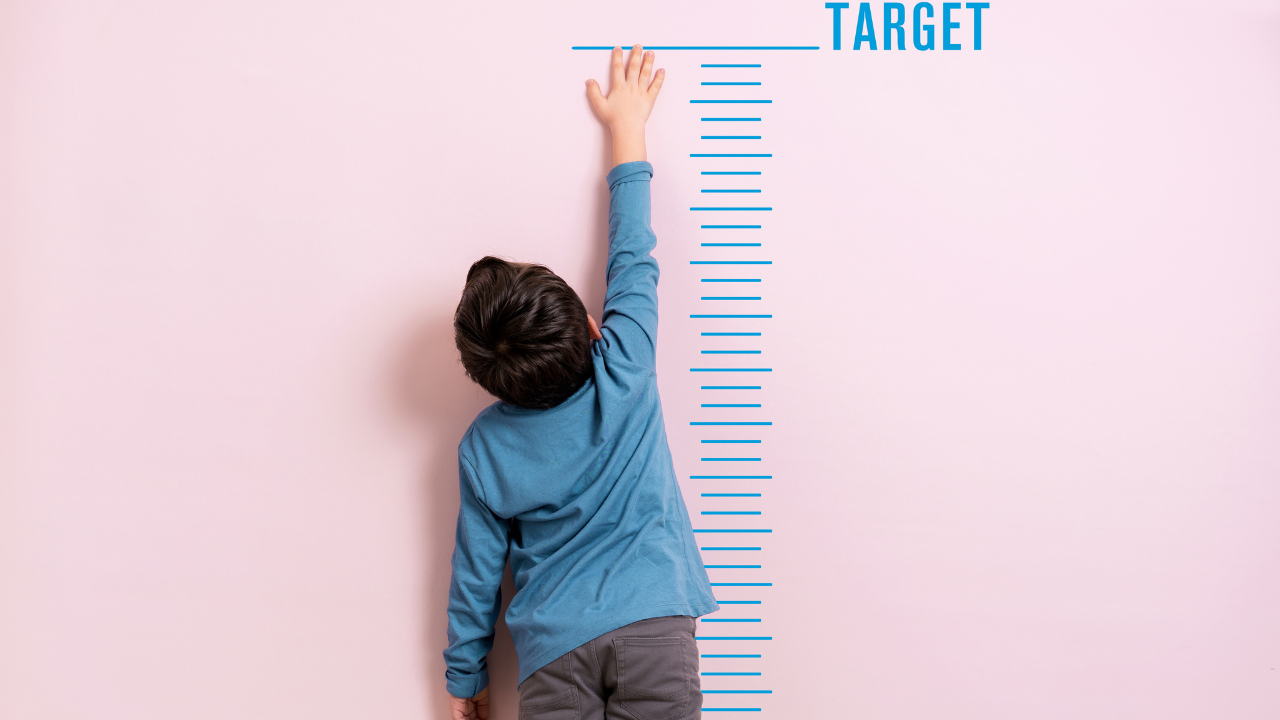
Photo: Canva
He recommends encouraging children to spend time outdoors, play actively and try activities such as running, climbing and jumping. He suggests two hours of vigorous outdoor play, but international guidelines do not require that much vigorous activity every day.The World Health Organization recommends that children and adolescents aged 5 to 17 get at least 60 minutes of moderate-to-vigorous physical activity daily. Activities that strengthen muscles and bones should be included at least three days a week.This can involve cycling, swimming, running, playing football, dancing or jumping. Outdoor play also gives children opportunities to move in different ways rather than spending most of the day sitting.
3. Pay attention to protein, calcium and other nutrients
The third area Mathur highlights is nutrition. He specifically mentions protein, calcium and zinc, along with vitamin D, which helps the body absorb calcium. A balanced diet is important during the school years because children need adequate energy and nutrients for normal growth and development. Protein-rich foods can include eggs, milk, curd, pulses, beans, paneer, fish and meat. Calcium is found in dairy products, fortified foods and certain leafy vegetables.Zinc is present in foods such as beans, nuts, seeds, dairy products and whole grains. Vitamin D is produced in the skin through exposure to sunlight and is also found in some foods, including fortified products and oily fish.A 2017 systematic review examined 69 studies on nutritional interventions in children aged two and older. It found that interventions involving protein and zinc, among other nutrients, had positive effects on linear growth, particularly in children who had experienced growth failure.However, this does not mean that giving extra supplements will make every healthy child taller. The review examined different interventions and populations, and the effects varied. Parents should focus on a varied diet rather than relying on height powders or supplements without medical advice. If a child has a restricted diet, poor appetite or signs of nutritional deficiency, a paediatrician can help assess their needs.
4. Track your child’s growth instead of comparing them with classmates
This may be the most important point in the list. A child being shorter than friends does not automatically mean something is wrong. What matters is how their height changes over time.Doctors use growth charts to compare a child’s height with that of children of the same age and sex. They also look at the rate at which the child is gaining height and whether the child continues to follow a broadly consistent growth pattern.According to the American Academy of Pediatrics, a child who gradually drops across percentile lines on a growth chart may need further evaluation. A single height measurement cannot provide enough information; measurements over time are more useful.The academy’s guide explains that doctors may assess growth over about six months to understand a child’s pattern. Parents should speak to a paediatrician if a child’s growth appears to slow, their height falls across percentile lines or they have other concerns such as poor appetite or low energy. A child who is naturally shorter because of family genetics may be perfectly healthy. But a change in their usual growth pattern deserves attention rather than being dismissed as a late growth spurt.
What parents should remember
Sleep, physical activity and a balanced diet help children reach their natural growth potential, but none of these can guarantee a particular height. Genetics plays a major role, and some medical conditions can also affect growth.Rather than measuring children against their classmates, parents can keep track of their height during routine check-ups and discuss any concerns with a paediatrician.