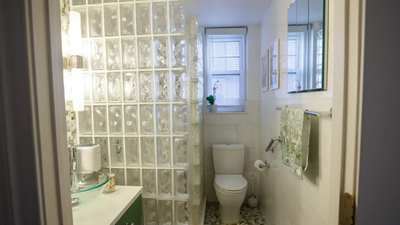
A disagreement over a possible bathroom leak has turned into a costly legal battle between a New York homeowner and her co-operative apartment building, with the dispute now involving nearly $170,000 in legal fees. Guillermina Girardi, a resident of Manhattan’s Castle Village complex, maintains that her shower is not responsible for water damage reported in the apartment below. The building, however, insists that repairs are necessary. The case, reported by the New York Post and examined through decisions published by the New York State Unified Court System, has also raised questions about the authority of co-operative housing boards and the evidence required to establish responsibility for property damage. The dispute began in 2023, approximately six weeks after Girardi purchased her one-bedroom apartment for $660,000. Her downstairs neighbour, Ariane Zorgniotti, reported signs of moisture damage on her bathroom ceiling, including peeling and bubbling paint. Building management initially treated the problem as a relatively minor leak before later describing the situation as more serious.Castle Village eventually attributed the suspected leak to a possible defect in Girardi’s shower pan, the waterproof base beneath the shower floor. The building sought permission to enter her apartment and replace the shower installation, arguing that the responsibility for the repairs rested with the apartment owner under the co-operative’s rules. Girardi challenged the diagnosis, pointing to multiple inspections by New York City housing authorities that did not establish a leak originating from her apartment. According to the court records, inspections conducted by the city’s Department of Housing Preservation and Development in 2024 did not identify a cracked shower pan or confirm a leak in the downstairs bathroom. One violation was issued over peeling plaster and paint.The legal proceedings have produced different assessments of the available evidence. In March 2025, a New York Supreme Court judge found that the building had not provided sufficient evidence at that stage to establish the source of the alleged leak. The judge modified an earlier order, removing the requirement that Girardi allow immediate repair work while retaining the building’s right to inspect her bathroom.In June 2025, the same court declined to grant summary judgment to either side, finding that questions about whether a leak existed remained unresolved. The judge noted that the housing department’s inspection reports supported Girardi’s position, while the building had submitted statements from its staff and the downstairs resident, along with photographs of the reported damage.However, the legal position shifted in March 2026. New York’s Appellate Division, First Department, overturned the lower court’s decision and ruled in favour of Castle Village. The appellate court found that the building had presented sufficient initial evidence of a leak through photographs and sworn statements from its assistant superintendent and the downstairs resident. It directed Girardi to provide access for repairs at her expense under the terms of her proprietary lease. The court also rejected her argument that the building had deliberately singled her out for unfair treatment.The proposed work would involve removing her existing shower and replacing parts of the bathroom with standard building materials. The original estimate was approximately $9,200, although Girardi believes the actual cost could reach $40,000, particularly because the renovation would involve replacing the existing Carrara marble tiles.The conflict has also been complicated by an earlier disagreement over a building-wide gas-pipe replacement project. Girardi had objected to the proposed placement of a horizontal pipe across her kitchen ceiling, arguing that it would interfere with plans to create a private home office. The building subsequently took legal action to obtain access for the installation, and she eventually complied with the arrangement.Meanwhile, the financial consequences of the ongoing dispute have continued to grow. Castle Village is now seeking nearly $170,000 from Girardi in legal fees, adding another substantial expense to a disagreement that began with reports of water damage. The latest development came when a building contractor arrived at Girardi’s apartment intending to carry out the proposed bathroom work. She sought the contractor’s plumbing licence details and the necessary permit from the city’s Department of Buildings, but the information was not provided, according to the recorded interaction described in the New York Post report.Despite the appellate ruling, the disagreement over the proposed work, its cost and the legal fees has continued, turning what initially appeared to be a routine maintenance issue into a prolonged dispute between a homeowner and her co-operative building.