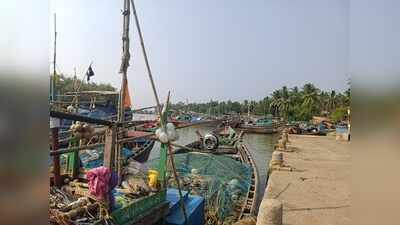
Kendrapada: Coastal Odisha is bracing for Cyclone Akvan, the third cyclone within 20 days, further threatening marine fishermen’s livelihoods after prolonged disruption in fishing.India Meteorological Department’s (IMD’s) Nov 15 warning said squally weather, with winds of 45-55 kmph gusting to 65 kmph, was likely along and off the Odisha coast from Nov 17 morning. Winds could strengthen to 50-60 kmph, gusting to 70 kmph, on Nov 18 and 19, while seas would remain rough to very rough along and off south Odisha.State govt warned of torrential rain, gusty winds, possible flooding in low-lying villages and rough seas. The office of the special relief commissioner advised fishermen not to venture into the sea from Nov 17 to 20.Additional special relief commissioner Padmanav Behera directed the fisheries and animal resources development department, the director of fisheries and collectors of Ganjam, Puri, Kendrapada, Jagatsinghpur, Bhadrak and Balasore to publicise the advisory. District authorities were told to ensure all fishermen returned safely and submit certificates confirming their return.Deputy director (marine) Bibhuti Bhusan Rout said the fisheries department had advised fishermen to remain ashore from Nov 17 to 20. Loudspeaker warnings were being issued, and action would be taken against those ignoring them. Indian Coast Guard and marine police had been asked to help fishermen return.The department has registered about 20,000 fishing vessels, including 1,700 trawlers, in the state. Many boats have returned to harbours and jetties, while vessels that left several days ago are returning.Odisha Traditional Fish Workers’ Union president Prasanna Behera said seven low-pressure systems from July to Sept, followed by cyclones Arnab and Murasu, had halted marine fishing for about 10 weeks. Akvan was again preventing fishermen from going to sea, placing their livelihoods at risk.Narendra Mandal, a marine fisherman from Batighar village in Kendrapada’s Mahakalapada block, said fishing families depended on daily earnings from the sea and repeated low-pressure systems and cyclones had ruined their livelihoods.