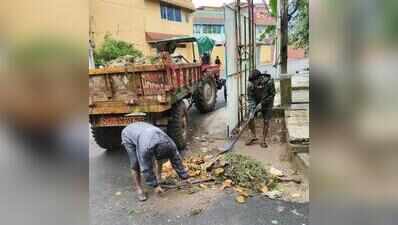
Bhubaneswar: Aiming to set a model for environmentally safe waste management, combining scientific treatment with practical reuse of byproducts, Bhubaneswar Municipal Corporation (BMC) has commissioned a 30-kilolitre-per-day (KLD)-capacity leachate treatment plant at its Temporary Transit Station to tackle contaminated liquid generated during the processing of wet garbage.The BMC officials say the facility — first in the state — will not only filter filthy water for reuse in gardening and landscaping but also convert the remaining sludge into nutrient-rich manure, marking a significant step toward sustainable waste management in the capital city.“The Effluent Treatment Plant (ETP) is designed to treat wastewater systematically through a combination of physical, biological and chemical processes. Equipped with air blowers, chemical dosing systems, return-activated sludge mechanisms and sludge drying beds, the plant ensures effective treatment and safe disposal of effluent,” a BMC official says.BMC deputy commissioner (sanitation) N Ganesh Babu says they receive bulk wet waste every day and process it, after which leachate is extracted. “The remaining sludge is reduced into compost. Segregated collection of dry leaves, especially during autumn, has improved composting efficiency by balancing moisture levels and preventing drain clogging,” he says.Officials say that the treated water generated from the ETP will be reused for non-potable purposes such as watering plants, thereby reducing dependence on fresh water sources. “The stabilised sludge, once dried, will serve as compost or soil conditioner for horticultural use. This dual benefit of water conservation and organic manure production is expected to strengthen the city’s green initiatives,” Babu says.The BMC has also intensified efforts to collect dry leaves from more than 100 parks and roadsides across Bhubaneswar. Dedicated vehicles and sweeping teams have been deployed to prevent littering and choking of drains caused by windblown leaves. “Separate collection of dry leaves adds carbon to wet waste, making the best manure,” Babu explains.Officials say that unchecked leaf litter could also pose health hazards, underscoring the importance of systematic collection.