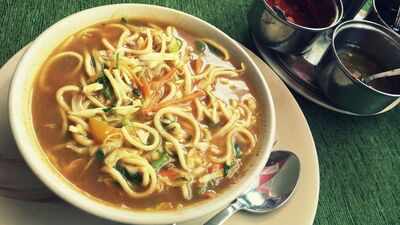
Ladakh is better known for its massive rugged landscapes, pristine high-altitude lakes and sight of the universe beyond Earth in its dark sky reserves. The religious and literary culture of Ladakh is enriched by the virtue of its location being at the intersection of Indian, Central Asian and Tibetan-Chinese cultures. However, the remoteness of the Union Territory has led to the establishment of its own food practices. Thus, innovation and their consideration towards sustainability has led Ladakh to becoming India’s first 100% organic Union Territory. It was declared by Lieutenant Governor Vinai Kumar Saxena on October 25, 2026.In organic farming, there is a focus on chemical-free farming which is attractive in the global markets, providing farmers better market opportunities and boosting their incomes. According to the Organic Research Centre, global retail sales of organic food and drink rose to 145.0 billion euros in 2024. The aim is to provide individual organic certification to farmers as it will increase their exposure to the international markets. Organic farming is an approach towards sustainable agriculture with a focus to protect soil and water resources.Ladakhi food is special not just for its taste but for the innovative use of the limited ingredients. In a landscape where farming seasons are short, winters are long and harsh; agricultural innovation helps in bringing life to the table. Barley and buckwheat are staples and wild herbs lend their distinctive flavours to everyday cooking. Apricots are celebrated annually at the festival during its blooming season. The Ladakhi cuisine also reflects centuries of cultural exchange along old trade routes, particularly in the villages closer to Baltistan. Here’s guide to have the most authentic experience of food of Ladakh.
Alchi Kitchen, Alchi
The village is about 70 km from Leh and is known for its ancient monastery. At Alchi Kitchen, local women of Ladakh bring the traditional food with locally sourced ingredients on the table. The menu includes khambir, a thick, round, whole-wheat bread with a chewy centre and a rustic crust. It is a staple in Ladakhi households, often eaten with butter, eggs or other accompaniments. Then try sky u (also spelt skyu), a comforting stew of handmade dough pieces and vegetables, or mok mok, the local take on dumplings.What to try: Khambir, skyu and seasonal apricot-based dishes.Why go: This is a good place to discover Ladakhi food beyond the familiar restaurant staples and see how a local kitchen keeps culinary traditions alive.
The Jade House, Leh
Their much-talked-about Artisanal Alchemy breakfast brings Ladakhi ingredients into a thoughtfully prepared, multi-course meal. Apricots are especially worth paying attention to. In Ladakh, these golden fruits are more than a photogenic orchard crop: they are eaten fresh in season, dried for later use and transformed into preserves and other preparations. Barley, meanwhile, has long been central to local food traditions, including tsampa, roasted barley flour that can be mixed into drinks or eaten in other forms.What to try: Ask whether an artisanal breakfast or a seasonal local-produce meal is available during your stay.Why go: For a closer look at how Ladakhi ingredients can move from a family kitchen and orchard to a carefully curated dining experience.
The Balti Farm, Turtuk
Turtuk is a village in the Nubra region near the India-Pakistan border. The farm is shaped by the history and culture of Baltistan which lies right across the Line of Control (LoC). It offers a classic farm to table experience with dishes such as ba-leh, barley noodles served in lamb broth with local herbs, and kisir, buckwheat pancakes served with a yoghurt relish. Another regional bread, bringa, is made with buckwheat and traditionally enjoyed with butter. Barley and buckwheat are the major organic farming crops grown in the region due to their resistance to the cold and dry climate.What to try: Kisir, bringa and Balti dishes featuring barley, herbs and seasonal produce.Why go: For a culinary experience that takes you beyond Leh and into the distinctive food traditions of a historic Himalayan borderland.
Tsas by Dholkar, Leh
(Image Credit: dolkharladakh.com )
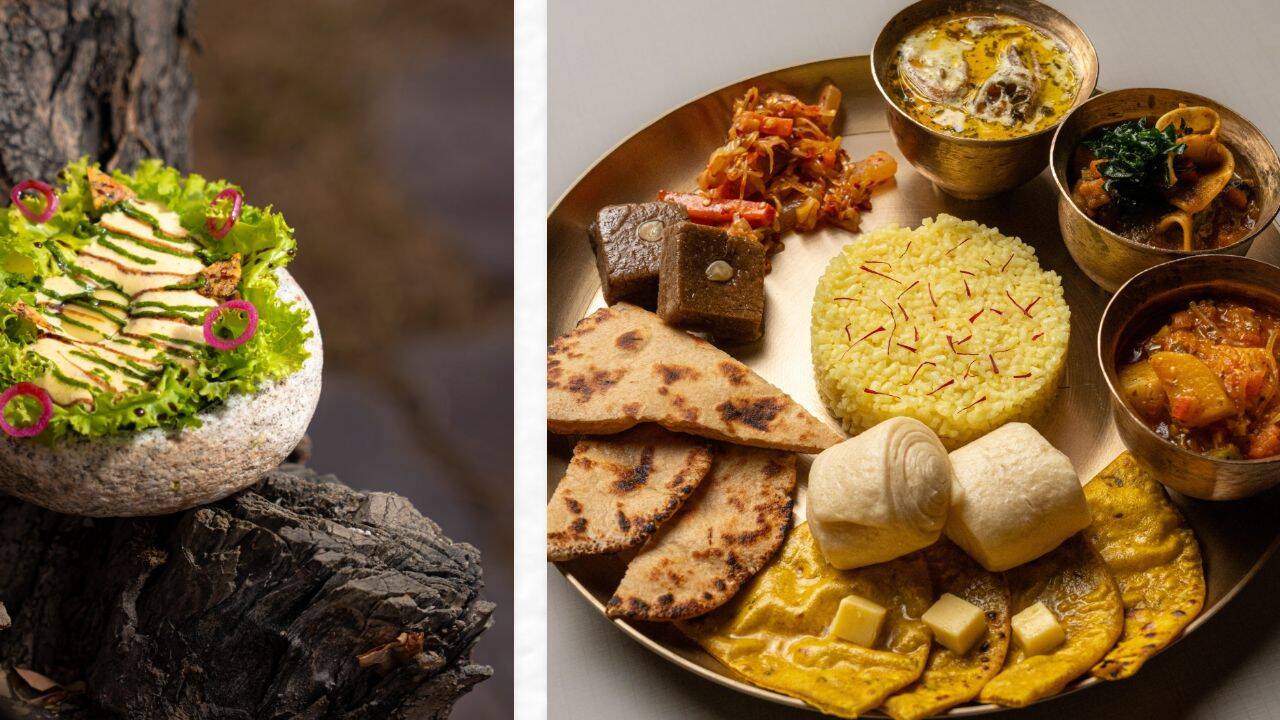
Nestled among apple and apricot orchards at Dolkhar, on Lower Tukcha Road in Leh, Tsas takes its name from the Ladakhi word for “kitchen garden”. The plant-based restaurant builds its menu around produce grown in its own garden and ingredients sourced from local producers, bringing a contemporary twist to Ladakh’s culinary heritage. Expect inventive dishes such as ramen infused with Himalayan herbs, hand-rolled pasta with yak cheese, and a burnt-lime thenthuk alongside traditional Ladakhi noodle soup, namthuk. Its seven-course chef’s tasting menu offers an even deeper exploration of regional ingredients, with creations featuring sun-dried apricots, local labo cheese and nakshan (black peas). At Tsas, the idea is not simply to serve local food, but to reinterpret Ladakh’s seasonal harvest through thoughtful, modern cooking.